
Chiggers in Texas Yards, What They Are and Where They Wait
The itchy red bumps around your sock line after an evening on the lawn come from a mite too small to see. Here is what chiggers are and what draws them, why one corner of a yard can be full of them while the rest is clear, which red mites get the blame, and whether they come into the house.

- A chigger is the young, 6-legged stage of a mite, a cousin of ticks and spiders, not an insect.
- The biting larva is about 1/100 inch across, too small to see without magnification.
- In most of Texas, chiggers are active from late spring to fall.
- They live in soil shaded by plants, and one spot can be heavy while a few steps away is clear.
- The red mites you can see on a patio are not chiggers and do not bite.





Are chiggers insects or mites?
Chiggers are mites, not insects. Texas A&M AgriLife Extension says they are the young stage of mites in the family Trombiculidae and belong to the class Arachnida, with spiders, scorpions and ticks. In Texas, the biting chiggers are the larvae of the genus Eutrombicula, and only that larval stage bites people.
So a chigger is not a tick, though the two are cousins. The Texas A&M AgriLife Extension chigger guide says the larva that bites has 6 legs, is yellowish to light red, and measures 0.15 to 0.3 mm, about 1/100 inch across. The Ohio State University Extension fact sheet says it is typically too small to see without magnification.
The same guide names 2 species as the troublesome ones in Texas. Eutrombicula alfreddugesi lives in disturbed grassy and weedy upland ground, overgrown briar patches and the edges of woods. Eutrombicula splendens prefers moist places such as swamps, bogs, rotten logs and stumps.
What are chiggers attracted to?
Chiggers are drawn to the animals they feed on. Texas A&M AgriLife Extension says they prefer birds, reptiles, rodents and other small mammals. Ohio State University Extension says the larvae climb to the edge of grass blades to wait for a passing animal or person, and are attracted to carbon dioxide and dark clothing.
Clemson Extension says it is the carbon dioxide a host breathes out that draws them, which is why the AgriLife guide says to avoid sitting or lying directly on the ground. People make poor hosts, the AgriLife guide adds. Chiggers often do not survive on a person more than 1 or 2 days, because of the skin reaction and the scratching.
The wild hosts are what keep chiggers going in a back yard. Wild mammals, birds and reptiles can sustain them there, the AgriLife guide says. Ohio State says they thrive in humid, overgrown, grassy ground that small mammals and birds use, including the strip where a field or scrub meets a kept lawn. In Collin County the likeliest version of that strip is the back fence line along a greenbelt, a creek or an empty lot.
Why is one part of the yard full of chiggers and the rest clear?
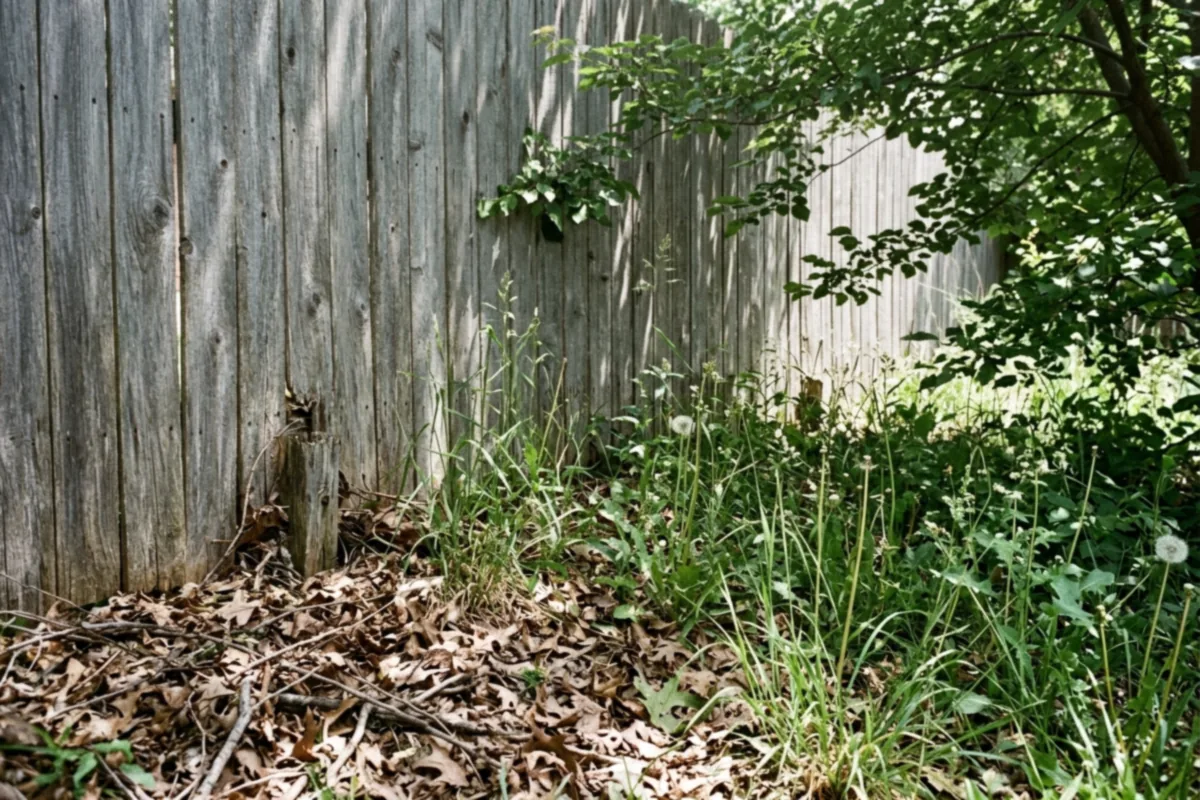
Chiggers are patchy by nature. Texas A&M AgriLife Extension says that even in good habitat they can be concentrated heavily in one spot while virtually absent nearby. They live in soil shaded by plants, and the larvae climb the nearest grass blades to wait, so the shaded, overgrown corners are the places to check first.
Chiggers are less common in kept turf and landscaped yards, according to the AgriLife guide. The exception it names is a site recently cleared for development, where chiggers can move into the plants around a new home. That fits the new subdivisions going up around Anna, Princeton and Celina, where a fresh lawn backs onto field or brush.

Try the black paper in 4 or 5 places, the shady fence line, a bed of ground cover, the tall grass behind the shed and the open sunny lawn, and you have a map of where the chiggers are. Ohio State says spraying is not generally recommended because chiggers rebound, and that treating the hot spots, not the whole lawn, gives a short-term knockdown.
Why are chiggers worse some summers in the Dallas area?
Heat and humidity are the likeliest reason. In a heavy 2018 season, Texas A&M AgriLife’s City Bugs blog in Dallas gave its best guess as high humidity and above-average temperatures, and said chiggers can then bite even in kept lawns. Workers in its full-sun turf plots in Dallas get chiggers every year from about late May.
The City Bugs post says the full-sun turf plots at the Texas A&M AgriLife Center in Dallas have chiggers every year starting around late May and early June, which shows a sunny lawn is not always safe, even though chiggers are usually said to prefer shade.
The wider season is longer. Across most of Texas, the AgriLife chigger guide puts it from late spring to fall. In the southern part of the state chiggers may stay active all year, with up to 4 generations a year. Adults spend the winter in the soil, and Ohio State says they come out to mate and lay eggs once temperatures rise above 60 degrees Fahrenheit.
Are the little red mites on the patio chiggers?
No. Ohio State University Extension says the larger red mites seen on patios and lawn furniture, such as red velvet mites, concrete mites and clover mites, often get blamed for chigger bites but are not chiggers and do not bite people. A biting chigger is typically too small to see without magnification.
Ohio State says those red mites can stain clothing when squashed and sometimes wander onto windowsills and into homes. Adult chiggers can be seen too, but they do not bite either. The AgriLife guide describes them as about 1 mm long, velvety and bright red. They are sometimes seen walking in leaf litter or along the edges of stones or concrete, and are called red bugs. They feed on small insects and insect eggs in the soil.
If the red dots are crawling over a sunny wall or a windowsill by the hundred, they are most likely clover mites. Our article on clover mites, the tiny red bugs on patios and windowsills explains why they come inside and how to clear them without staining.
Can chiggers get into the house?
They can ride in on clothes, but they live outdoors. Texas A&M AgriLife Extension says chiggers live in soil shaded by plants and often do not survive more than 1 or 2 days on a person. Clemson Extension says they can cling to blankets or clothes that touched the ground, and Ohio State says hot washing kills any left.
So after yard work or a picnic, put the clothes and the blanket straight in the wash on the hot setting, as Ohio State advises. The AgriLife guide says to launder clothes before wearing them again. Bites that seem to appear in bed are usually bites from earlier in the day that have just started to itch, which our article on how long chigger bites last explains. If the bites keep coming night after night with no time spent in grass, read our guide to the signs of bed bugs.
The chigger life cycle, stage by stage
Every row comes from the Texas A&M AgriLife Extension chigger guide (E-365), which gives the full cycle as 2 to 12 months.
| Stage | Legs and look | What it eats | Bites people |
|---|---|---|---|
| Egg | Laid in leaf litter and damp soil in early spring | Nothing | No |
| Larva, the chigger | 6 legs, yellowish to light red, 0.15 to 0.3 mm | Skin cells of birds, reptiles, small mammals and people, about 3 days | Yes, the only stage that does |
| Older young stage | 8 legs | Small insects and insect eggs in the soil | No |
| Adult | 8 legs, bright red, velvety, about 1 mm | Small insects and insect eggs in the soil | No |
Only the larva bites. Adults spend the winter in the soil and lay the next eggs in spring.
Five ways to make a yard less friendly to chiggers
- Keep the grass cut short and the plants trimmed. The AgriLife guide says that raises soil temperature and lowers humidity enough to make a lawn less hospitable to chiggers.
- Clear brush and weeds and open up shady corners to more sun and air, as Ohio State and Clemson Extension both advise.
- Run the black paper test in each shady spot, so any treatment goes where the chiggers are and not across the whole lawn.
- If you spray it yourself, mow first and use a liquid product labeled for lawns. Texas A&M says sprays generally beat granules, and its City Bugs blog says to spray in the evening so bees are not hit. Ohio State adds that a spray gives short-term knockdown, and chiggers can rebound.
- Keep pets off the treated area until the spray is dry, as Texas A&M advises, and follow the label’s re-entry times and its cautions for pets and children, as Ohio State says.
Each step, what kills chiggers, the no-spray route and why they come back are in our guide to getting rid of chiggers in your yard.
How Pest Me Off handles chiggers in a Collin County yard
Pest Me Off is a family-owned, Texas-licensed pest control company that has worked in McKinney, Plano, Frisco and Allen since 2014. Our flea and tick control visit already starts by confirming what is biting, because fleas, ticks and chiggers each need a different emphasis, and the work is done by a licensed applicator.
For chiggers, ask for the free inspection and point us at the shaded, overgrown corners described above. Our chigger control page explains the service, and the chigger page in our pest library shows how to tell a chigger from a flea or a red patio mite.
Chiggers in the back corner of the yard? Same-day pest control in McKinney and the surrounding cities when you call before noon.
We confirm it is chiggers and not fleas or ticks before anything is treated. Free inspection and estimate.
