
Acrobat Ants in Collin County, TX | Identification and Control
The acrobat ant (Crematogaster spp.), also called the Saint Valentine ant, is a small brown ant that raises its heart-shaped abdomen up over its back when disturbed. No other ant in Collin County holds that pose. It nests only in wood that moisture has already softened, so finding acrobat ants in or around your home means something in the structure is getting wet, and fixing that is part of getting rid of them. PestWorld says acrobat ant workers travel up to 100 feet from their nest looking for food, so the wet wood they live in can sit well away from the trail you see.
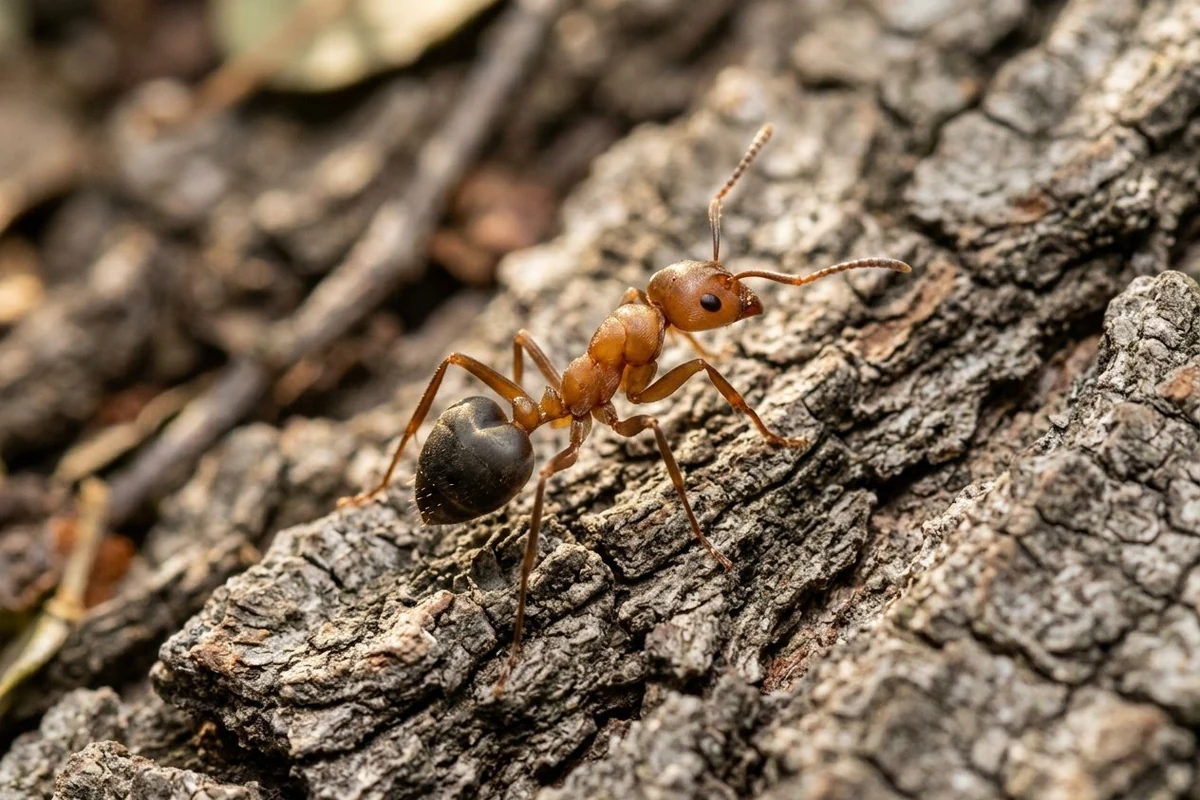
Found small ants trailing out of a window frame in Collin County? Our office sits where McKinney, Plano, Frisco and Allen meet, 5 to 10 minutes from most homes in those four cities. Send us a photo or call, and we will tell you which ant it is.
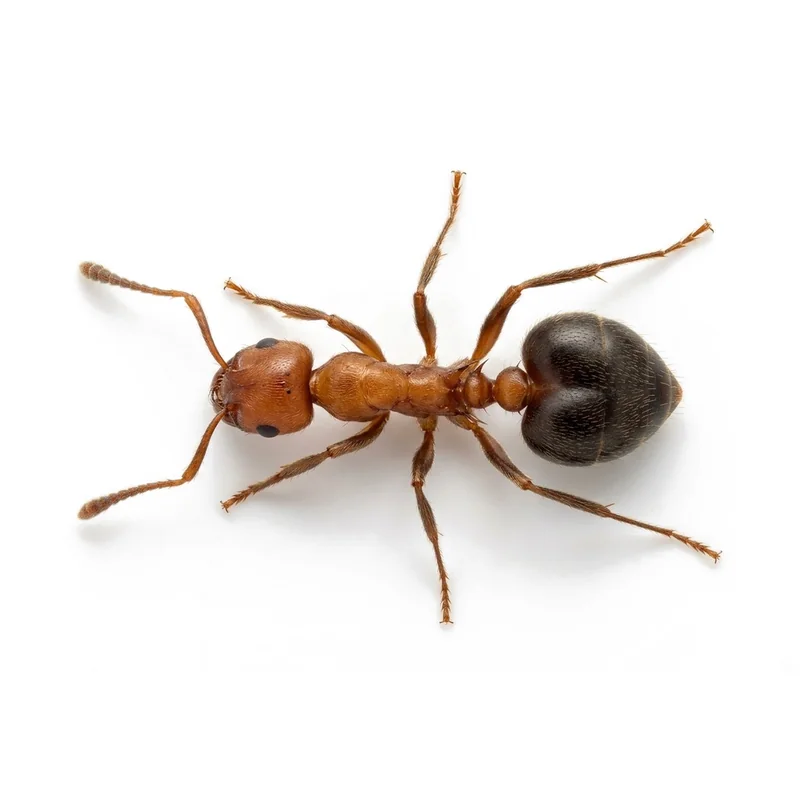
Acrobat Ant
An ant that nests only where moisture damage already exists. Finding them in a wall, window frame or roof edge means there is a moisture problem as well as an ant problem, and both need fixing or the ants come back.
Risk Assessment
Choose a row for the full detail- Color
- Light to dark brown, with the abdomen darker than the rest of the body
- Colony size
- Hundreds to several thousand workers
- Diet
- Sweets, honeydew from aphids, and other insects
- Defining behavior
- Raises its two-lobed abdomen over its back when disturbed
- Nesting site
- Moisture-damaged wood, old insect tunnels, wall voids near leaks
- Active season
- March through October, slowing in winter
- Worker size
- 2.6 to 3.2 mm, all workers in a colony about the same size
What an Acrobat Ant Looks Like
Acrobat ant workers are 2.6 to 3.2 mm long, about 1/8 inch, according to University of Florida Institute of Food and Agricultural Sciences Extension. They are light to dark brown, with an abdomen noticeably darker than the rest of the body. At rest they look like several other small brown ants. Disturb the colony with a tool, a trim repair or a hand on the trail, and the workers raise the abdomen up over the midsection and hold it there. NC State Extension’s acrobat ant guide treats that posture as the definitive field identification cue.
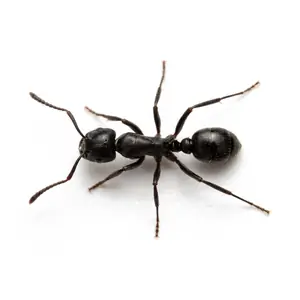
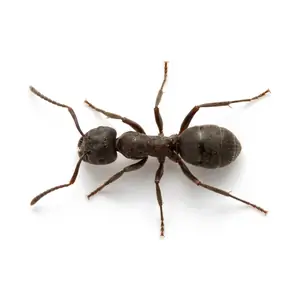
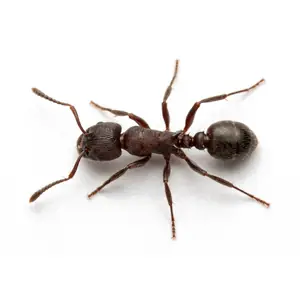
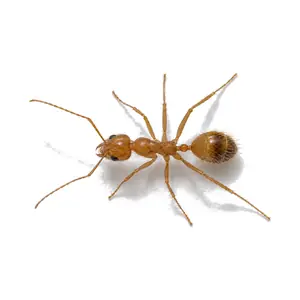
At rest, look for a pinched two-node waist and an abdomen flattened on top with two rounded lobes, which gives it a heart-shaped outline from above. Workers forage in trails during the day. Fine debris of wood particles and insulation fragments near a wall void, window frame or roof edge means a colony has tunnels in the wood nearby. It is coarser than what termites leave and finer than what carpenter ants leave.
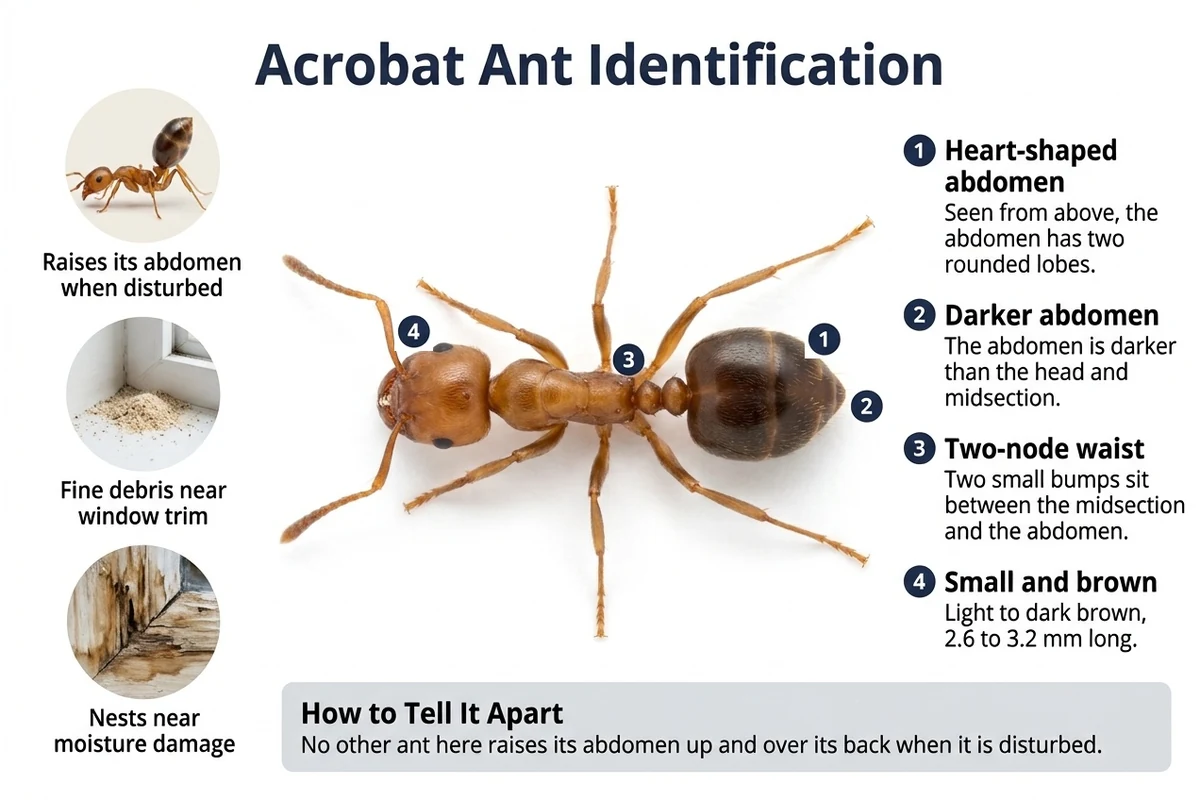
How to identify an acrobat ant from above, by its heart-shaped, darker abdomen and two-node waist
- Workers raise the abdomen up and forward over the midsection when disturbed, and no other Collin County ant does this
- 2.6 to 3.2 mm, light to dark brown with a distinctly darker abdomen
- Two rounded lobes on the abdomen seen from above, giving a heart-shaped outline
- A two-node waist between the midsection and the abdomen
- Fine debris near window frames, roof trim or wall voids, coarser than termite debris and finer than carpenter ant sawdust
- Often found near existing moisture damage or where carpenter ants were active before
Other Names for the Acrobat Ant
Both common names come from the abdomen. The acrobat name is for what it does: a disturbed worker lifts its abdomen over its midsection and head like a gymnast holding a balance. The Saint Valentine name is for what it looks like: at rest, the two-lobed abdomen has a heart-shaped outline from above. The raised abdomen also releases defensive chemicals from glands in it, aimed at whatever threatened the nest. Every name in the table means the same ant, so if you searched for any of them, this is your ant.
Where Are Acrobat Ants Found?
Acrobat ants are found in Texas, including every city in Collin County. Several Crematogaster species live here, and Crematogaster laeviuscula is one of the common Texas species. Outdoors they nest in dead wood, rotting stumps and old carpenter ant tunnels. They move into a house only where wood in the structure has been softened by moisture.
| Name | What it means |
|---|---|
| Saint Valentine ant | Named for the heart-shaped outline of the abdomen at rest. |
| Valentine ant | The same name, shortened. It is the way most people search for this ant. |
| Saint ant | Another short form of Saint Valentine ant, not a separate species. |
| Crematogaster | The scientific name of the group. Several species of it live in Texas, and all of them raise the abdomen. |
| Ants from the wall | Not a name, but how most homeowners describe them before they know one, along with “ants near my window”. |
How to Tell Acrobat Ants from Other Ants in Collin County
Three ants are regularly confused with acrobat ants, and all of them turn up around wood or structural damage. The raised abdomen and the kind of debris separate them without a microscope.
| Species | Size | Key Feature | Nesting Habit |
|---|---|---|---|
|
Acrobat Ant
AKA: Saint Valentine Ant
Crematogaster spp.
This species
|
2.6 to 3.2 mm. Light to dark brown with an abdomen noticeably darker than the midsection and head. Workers in one colony are all about the same size, unlike fire ants. | Raises the two-lobed abdomen up over the midsection when the colony is disturbed. The abdomen has a heart-shaped outline even at rest. No other ant in Collin County holds this defensive pose. | Nests only in wood already softened by moisture or in tunnels other insects dug, and never starts its own tunnels in sound, dry wood. Common sites are rotted window frames, fascia boards under failing flashing, deck post bases, and wall voids beside plumbing or roof leaks. |
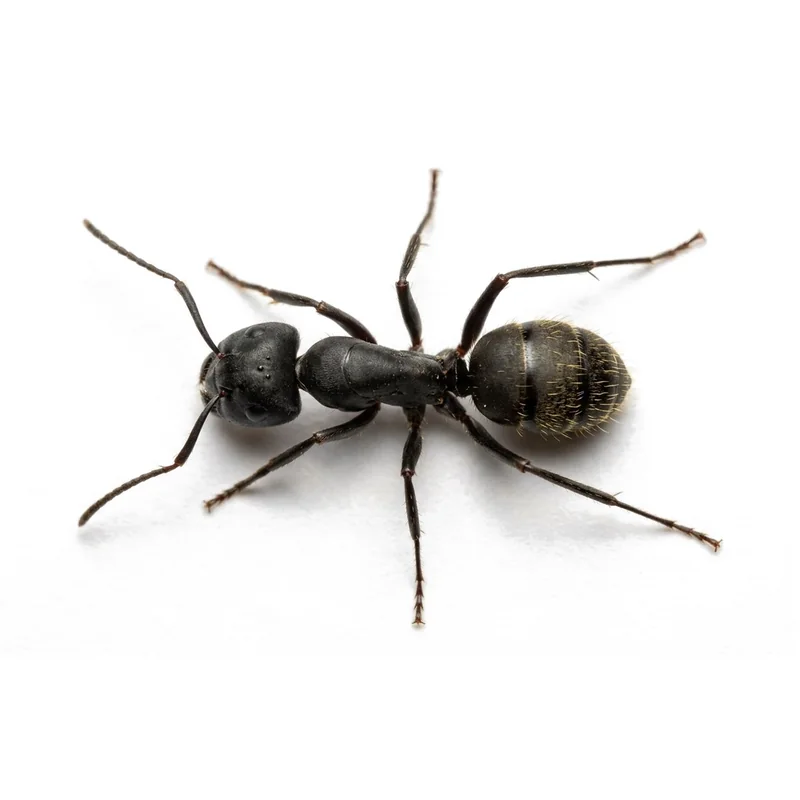
Carpenter Ant
AKA: Big Black Ant, Large Black Ant
Camponotus spp.
|
6 to 13 mm, much larger than an acrobat ant, with a solid, heavy body easy to tell apart at a glance. All black or red and black, with no color difference between the abdomen and the rest of the body. | Never raises the abdomen when disturbed. Leaves coarser, drier sawdust mixed with insect parts and wood fibers. Has a single rounded node between the midsection and abdomen, where acrobat ants have two. | Digs smooth, clean tunnels in moisture-softened structural wood, favoring sill plates, door and window framing, and roof edges with a history of leaks. The tunnel entrance is a smooth round or oval hole with a loose pile of debris below it. |
Fire Ant
AKA: Red Ant, Mound Ant
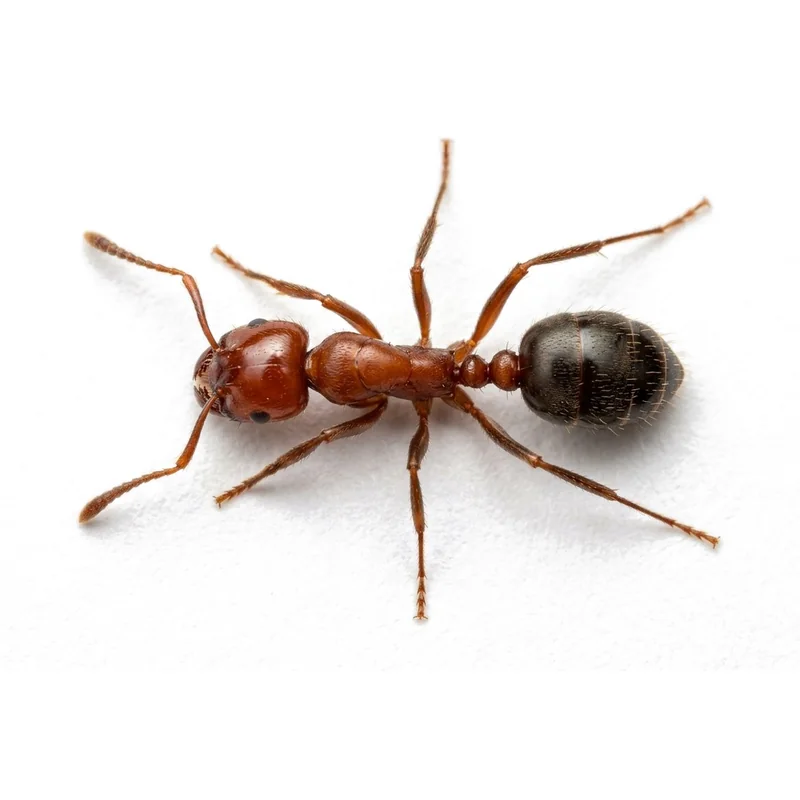
Solenopsis invicta
|
1.6 to 6 mm, with mixed worker sizes in a single colony. Reddish-brown head and midsection with a darker abdomen. The size mix within one colony is a useful field cue, since acrobat ant workers are all about the same size. | Never raises the abdomen when disturbed. Answers a disturbed nest with aggressive stinging rather than a defensive pose. Builds dome-shaped mounds in open soil with no visible central opening. | Outdoor dome mounds in lawns, open landscaping, along foundation edges and in soil beside pavement seams, never inside structural wood. Mounds can shift after heavy rain as the colony follows moisture deeper underground. |
Odorous House Ant
AKA: Sugar Ant, Stink Ant
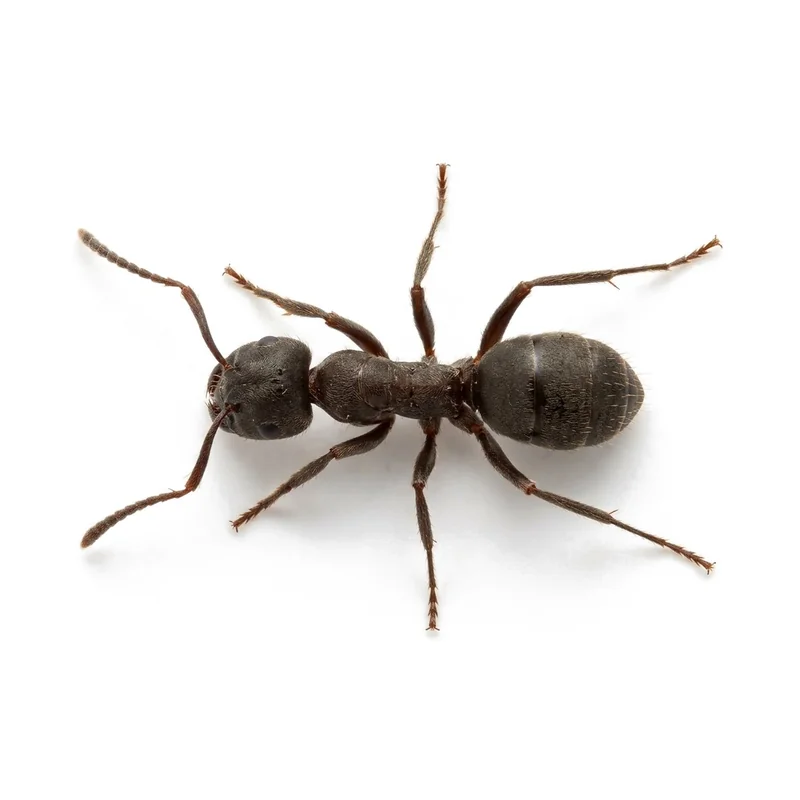
Tapinoma sessile
|
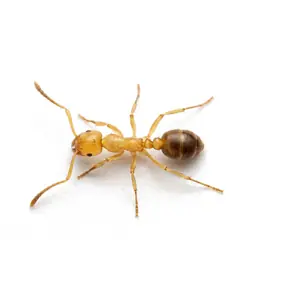
2.4 to 3.3 mm. Dark brown to black, one color from head to abdomen. The similar size makes it easy to confuse with acrobat ants at a glance before the nest is disturbed. | Never raises the abdomen. Gives off a strong blue cheese or coconut smell when crushed. Has a single hidden node between the midsection and abdomen rather than the two visible nodes of the acrobat ant. | Nests in wall voids, insulation, under flooring and near moisture-prone areas without needing damaged wood first. Colonies come in through foundation cracks, utility openings and gaps around plumbing, not through tunnels in damaged wood. |
Acrobat Ant vs Carpenter Ant
The Acrobat Ant in Three Numbers
Up to 100 feet
PestWorld says acrobat ant workers travel up to 100 feet from their nest looking for food, so the wet wood they live in can sit well away from the trail you see.
PestWorld
2.6 to 3.2 mm
The University of Florida Institute of Food and Agricultural Sciences Extension measures an acrobat ant worker at 2.6 to 3.2 mm long, about 1/8 inch, and every worker in a colony is about the same size.
University of Florida Institute of Food and Agricultural Sciences Extension
1 queen
Texas A&M AgriLife Extension says a typical acrobat ant colony has 1 queen, which is why treating the nest and its queen gives a clean result.
Texas A&M AgriLife Extension
Are Acrobat Ants Poisonous or Dangerous?
No. Acrobat ants carry no venom of medical significance, no anaphylaxis risk has been documented for this species in homes, and they are not linked to any disease in Collin County. The defensive chemicals from the raised abdomen are meant for other insects and are not a meaningful irritant to people or pets in ordinary household contact.
Do Acrobat Ants Bite or Sting?
Acrobat ants can bite, but only when handled directly, and they have no sting that gets through normal skin. The bite is a momentary pinch with no lasting effect. The only way to get one is to pick up a worker or press a hand into an active nest.
When Acrobat Ant Activity Warrants Action
A Trail Coming Out of a Wall or Window Frame
Workers coming from inside a wall, a window frame or a roof edge mean a colony is nesting in wood that has been getting wet. The moisture behind it is the bigger problem, and both need fixing.
A Colony in a Stump Away From the House
Acrobat ants nesting in a rotting stump or dead wood out in the yard are living where they normally live. On its own that is not a house problem. Watch for a trail that runs from it to the house.
Why You Found Acrobat Ants in Your House
Acrobat ants indoors mean wet wood, not a dirty kitchen. They come inside only where moisture damage has reached the structure, so the trail almost always leads back to a spot where wood meets water: a window frame behind failed caulk, a fascia board under lifted flashing, or a wall void beside a plumbing or roof leak. Finding them in a dry room with no damage nearby is uncommon.
Some trails start outside. A parent colony in dead wood or old carpenter ant tunnels in the yard can send workers in through the same damaged wood or a conduit gap. Either way, the question to answer is where the trail goes and what got wet.
Where Acrobat Ants Nest in Collin County Homes
Acrobat ants need wood that water has already softened. They settle where a failed caulk line lets rain into window framing, where separated flashing lets moisture into a fascia board, or where standing water has started to rot a deck post’s end grain. They enlarge voids that are already there rather than carving new ones. Texas A&M AgriLife Extension confirms the species colonizes wood with moisture damage already in it. PestWorld says the workers travel up to 100 feet from the nest looking for food, so the wet wood can be some distance from the trail. That makes them a signpost: they did not cause the damage, they are advertising it.
Acrobat Ant Presence Across Collin County
Acrobat ant pressure follows the age and upkeep of the wood on a house more than the neighborhood. Across McKinney, Allen, Frisco and Plano, the homes that get them are the ones with a moisture entry point somewhere in the wood.
Two places come up again and again. Separated flashing at roof trim, chimney bases and valley transitions is one of the most common moisture sources in two-story homes. Wood decks are the other, where post bases sit close to the soil and board ends stay wet at drainage points.
Acrobat ant activity follows moisture as much as temperature. Pest Me Off service records across Collin County from 2023 to 2026 show three peak months, April and May after the spring rains soften wood, and September, when moisture damage already in walls gives colonies their best nesting conditions. Workers slow in winter, but a colony inside a structure can stay active year-round if its nesting wood holds warmth.
Pattern from Pest Me Off service call records across Collin County, 2023 to 2026.
Acrobat Ant Biology Worth Knowing
University of Florida research on acrobat ants finds that colony growth tracks the extent of moisture damage in the wood rather than food supply, which is the key difference between managing acrobat ants and most other ants.
How Pest Me Off Handles Acrobat Ants
Ant-Nihilation for acrobat ants starts with the inspection, not the spray. We trace the trail back to the nest, treat inside it with a non-repellent product (one the ants cannot detect, so they pass it to each other on contact), and find the moisture that brought them.
Find the Nest by Tracing the Trail and Probing the Wood
We follow active trails backward from where workers show up to the wood they are nesting in. A moisture meter confirms water damage in the suspect framing, and a probe finds the hollow tunnels by the change in sound and resistance. The entry point is mapped before any product goes down.
Treat Inside the Nest
The non-repellent product goes straight into the nest through its entry point or a small drill hole. Dust reaches deep into the tunnels in the wood and clings to every surface the ants touch. Liquid injection reaches the spots dust cannot when the shape of the tunnels calls for it.
Find and Document the Moisture Source
In the same visit we find where the water got in, name the likely cause (failed caulk, separated flashing, a post base touching soil) and write down the repair in plain terms. We do not do structural repairs, but we tell you exactly what a contractor needs to fix.
Scorched Earth Barrier at the Foundation
The Scorched Earth Barrier goes along the full foundation and at wood edges such as deck post bases and fascia board contact points. It stops scouts from new mating flights and from nearby colonies before they reach another patch of damaged wood.
& Quick Fixes
How to Get Rid of Acrobat Ants Yourself
Keeping acrobat ants out is moisture control. University of Missouri Extension names moisture control as the main long-term defense against wood-nesting ants.
Why Some DIY Responses Fail for Acrobat Ants
Most DIY attempts that fail treat what can be seen. The trail is visible, but the colony and the wet wood behind it are not, so the ants keep coming back.
Surface Spray on Visible Trails
It kills the workers on the trail, and the trail goes quiet for a few days. The queen inside the nest is untouched, so a new generation of workers walks out of the same spot.
Treating Without Fixing the Moisture Source
Even a treatment that kills the colony leaves the wet wood that drew it. The next season’s mating flight brings new scouts to the same wood, and acrobat ants or another wood-nesting ant move back in.
Treating Indoors Without Finding the Outdoor Nest
When the trail comes from a colony outside, spraying the indoor trail with any product leaves that colony whole. Workers keep coming in through the same damaged wood or conduit gap.
Common Acrobat Ant Questions
What are the small brown ants that raise their rear end when I disturb them?
Why are they called acrobat ants and Saint Valentine ants?
How do you tell acrobat ants from carpenter ants coming from a window frame?
Do acrobat ants damage wood like termites or carpenter ants?
Are acrobat ants dangerous to my family or pets?
What do acrobat ants smell like?
Why do I keep getting acrobat ants every spring in the same spot?
How do you know if acrobat ant treatment worked?
Can acrobat ants be treated with DIY products?
How do I get rid of acrobat ants?
Acrobat Ants in Your Wall Mean Something Got Wet. We Find the Nest and the Moisture Source.
We find the nest, treat inside it, show you where the water is getting in, and put the Scorched Earth Barrier around the foundation so new scouts do not find the same wood. McKinney, Allen, Frisco, Plano, and all of Collin County.