
Pest Control in Princeton, TX
Ant control, termite treatment and rodent control for Princeton homes, with rodent proofing from the same local team. Same-day service when you call before noon on a business day.

 Best of McKinneyVoted Best Pest Control, 2025 & 2026
Get Your Free Princeton Estimate
Same-day service. Pet friendly. No-contract options.
Thanks! We got your request.
A Pest Me Off team member will confirm within 1 hour during business hours.
For immediate same-day help: (972) 866-4720
What We Actually Do in Princeton
Every number here comes from our own service records, our own inspections and what Princeton asks us for, never an industry average.
Ant control, termite control and rodent control lead Princeton pest control demand
Ant control leads in every town we serve, so the second and third are what make Princeton's list its own, and the first inspection checks for all three.
95%
 of pest control visits by Pest Me Off are finished in one trip
Measured across every town we serve. A second trip means coming back between scheduled visits, so this is the share of work that took one visit.
52%
 of Princeton plan customers choose Pest Me Off's full rodent control tier
That tier adds rat and mouse coverage, an exterior bait station and a rodent proofing inspection, so none of it has to be arranged separately.
93%
 of Princeton homes Pest Me Off inspects need rodent proofing in some form
It is nearly always one of three places, the corners of the garage door, where the heating and cooling lines come through the wall, or a missing filter cover. Rodent proofing, which the trade calls exclusion, seals them shut.
Why Princeton Homes Choose Pest Me Off
Pest Me Off provides licensed residential pest control in Princeton, TX, from everyday ant problems to the rats and mice that get into attics and walls when the weather turns. Ants are the pest Princeton asks about most, and termites and rodents come next, so every first visit starts with a full inspection rather than a quick spray.
Rodents matter here too. Nearly every Princeton home we inspect needs rodent proofing somewhere, usually at the corners of the garage door or where the heating and cooling lines come through the wall, so a Princeton visit looks for where a rodent could get in as well as what is already inside.


Local Princeton team
Not a national chain routing your call out of state. Our trucks run Princeton routes every week.

Same-day service
Call before noon on a business day and we can usually have a technician out the same day.

Licensed & insured
Texas Department of Agriculture TPCL #0937184, and we tell you when kids and pets can go back on treated areas.

Plans built on what we find
We treat what is active in your home, with re-service between visits on eligible recurring plans.
 Rodent proofing in Princeton
Seal Out Rats and Mice From Your Princeton Home
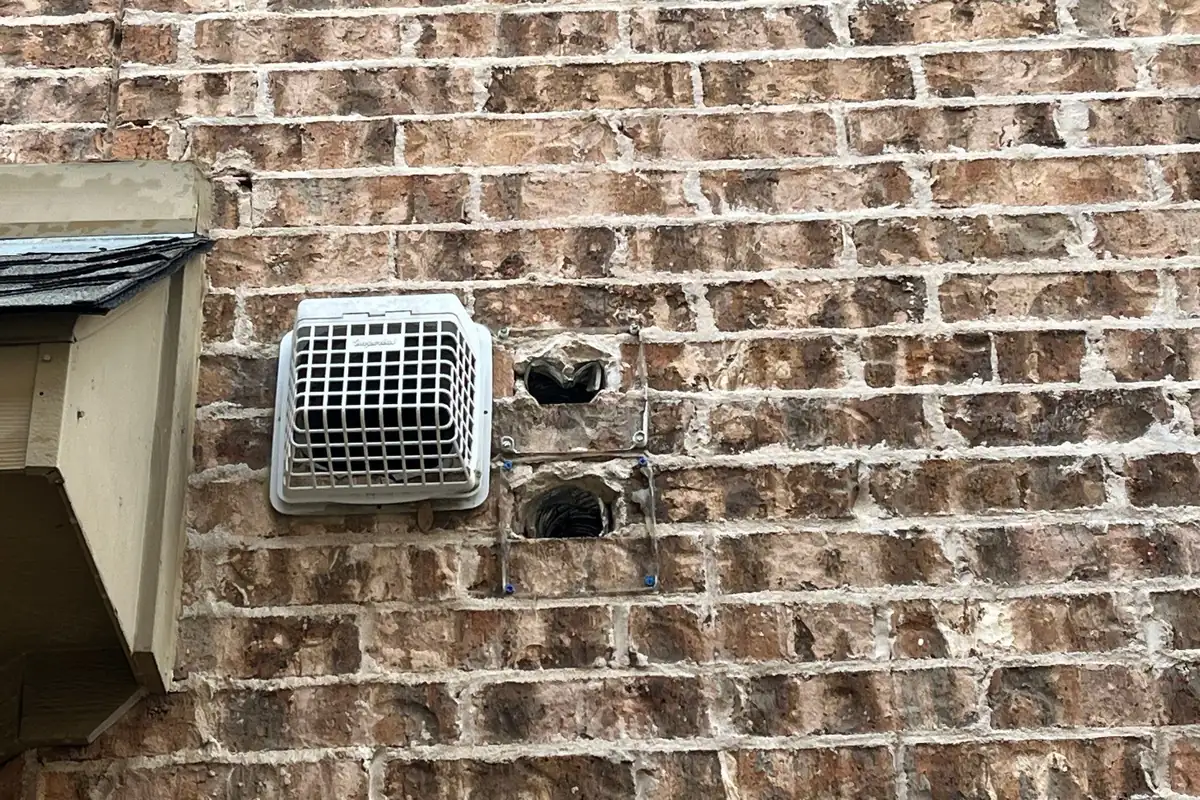
Rodent proofing, which the trade calls exclusion, seals the gaps a rat or mouse uses to get into a house. Trapping alone only removes the animals already inside, and new ones follow the same route in. Sealing the route is what ends the problem instead of treating it again every fall.

BugOff Plan
Everyday pest control.
- House ants and pavement ants
- American and smoky brown cockroaches
- Non-venomous spiders, crickets and silverfish

Stinger Plan
Fire ants and stinging pests too.
- Everything in the BugOff plan
- Fire ants and carpenter ants
- Wasps, yellow jackets and carpenter bees
- Brown recluse, black widows, fleas and ticks

Mickey Plan
Full rodent control.
- Everything in the Stinger plan
- Roof rats, Norway rats and house mice
- An exterior rodent bait station
- A free rodent proofing inspection
See every plan side by side on the Pricing page.
Already hearing scratching in the attic? Our rodent proofing service seals every entry point we find, and our wildlife removal team handles squirrels and other animals that have already moved in.
 From our Princeton routes
What Our Princeton Crews Actually See
Our crews run Princeton week after week, the same neighborhoods on a regular cycle. Here are real jobs from our routes, where they were and what we found.
Mounds back after every rain
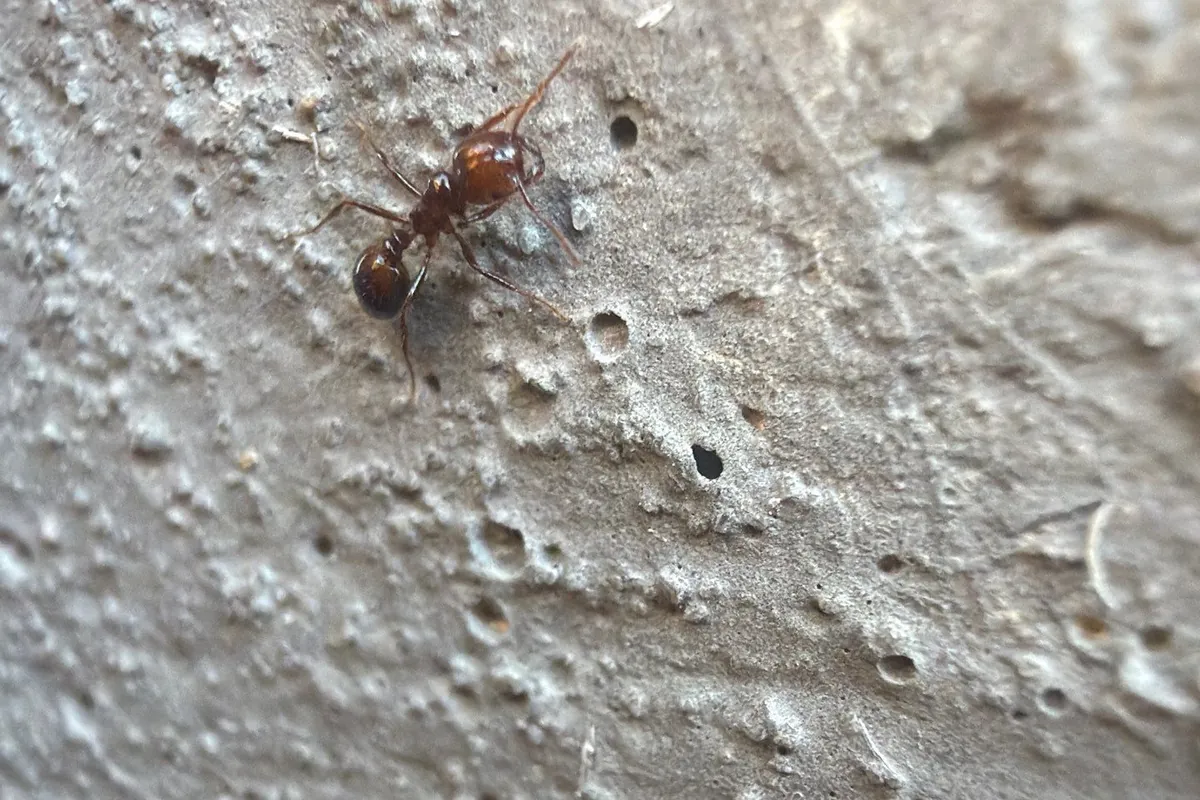
This homeowner first called us about ant piles that popped up in the front yard right after a rain. On the follow-up we granulated the entire yard and baited every visible mound individually for long-term control. On Princeton’s heavy clay a single mound treatment never holds, so a whole-yard program plus a follow-up is the only thing that keeps fire ants down through the season.
Open gap under the siding
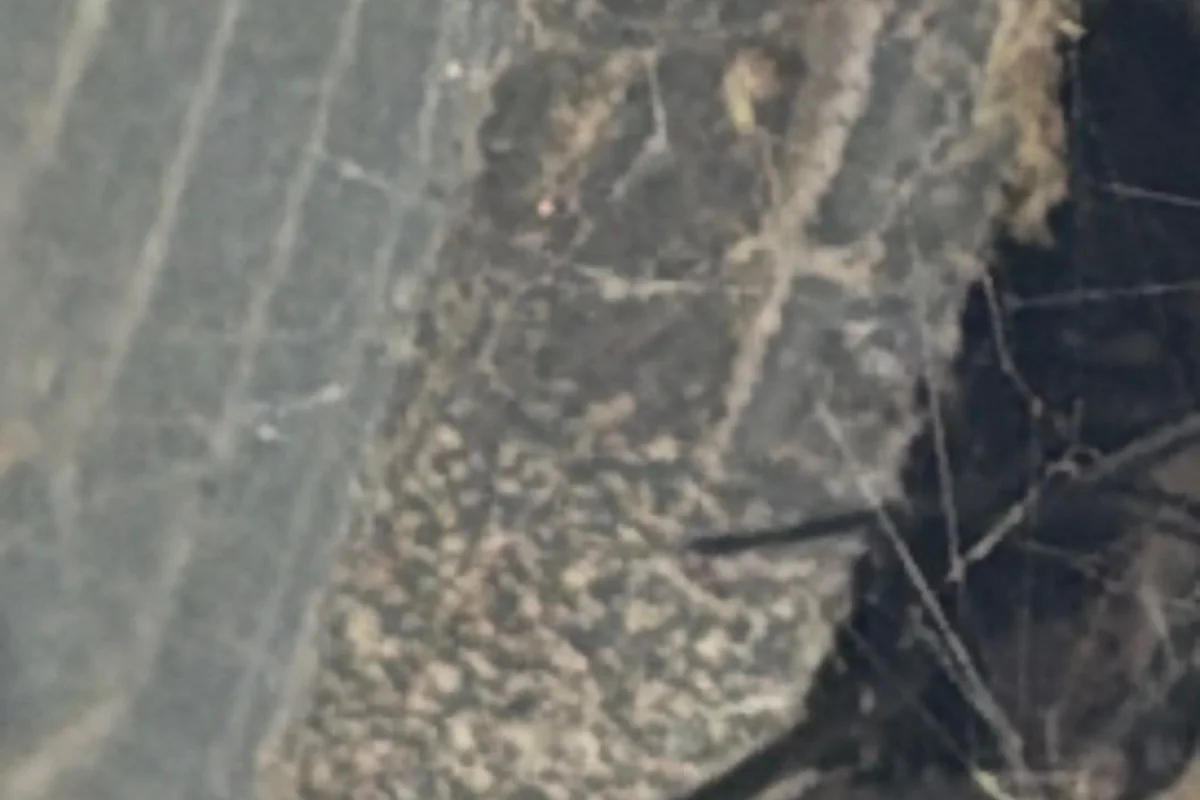
On a Princeton inspection we traced the rodent route to an open gap under the exterior siding where a utility wire ran into the wall. That kind of penetration is a standing invitation on a new-construction home, where builder gaps around lines and the garage corners are the most common way mice get in. We map every opening and seal it before trapping, because on these new streets fresh mice will replace any we remove if the entry points stay open.
A colony inside a soffit vent
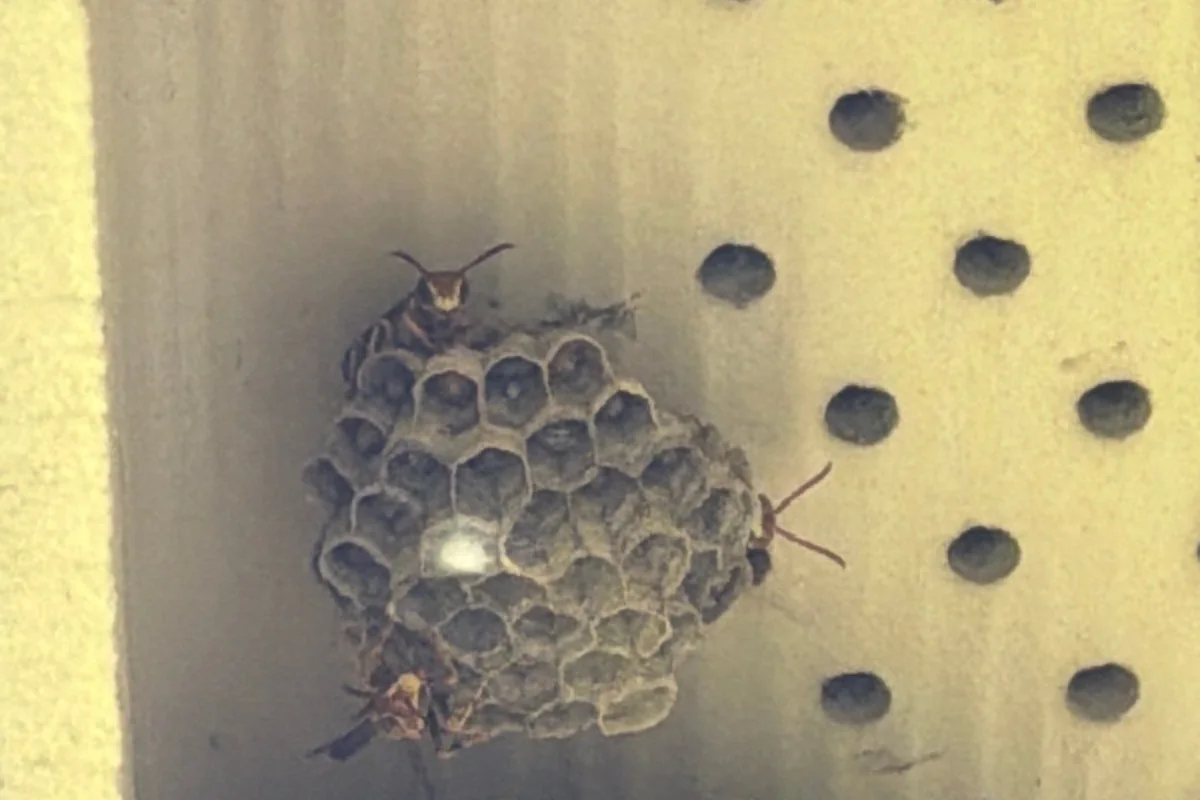
A spring service here turned up a paper wasp colony built on its comb inside a soffit vent, tucked up out of sight behind the screen. The deep eaves and open soffit bays on Princeton’s two-story new builds give wasps exactly this kind of sheltered nesting room. We pulled the comb, treated the void so the same vent would not draw a new colony, and screened the eave line on the prevention pass.
Sealing the gap behind the sink
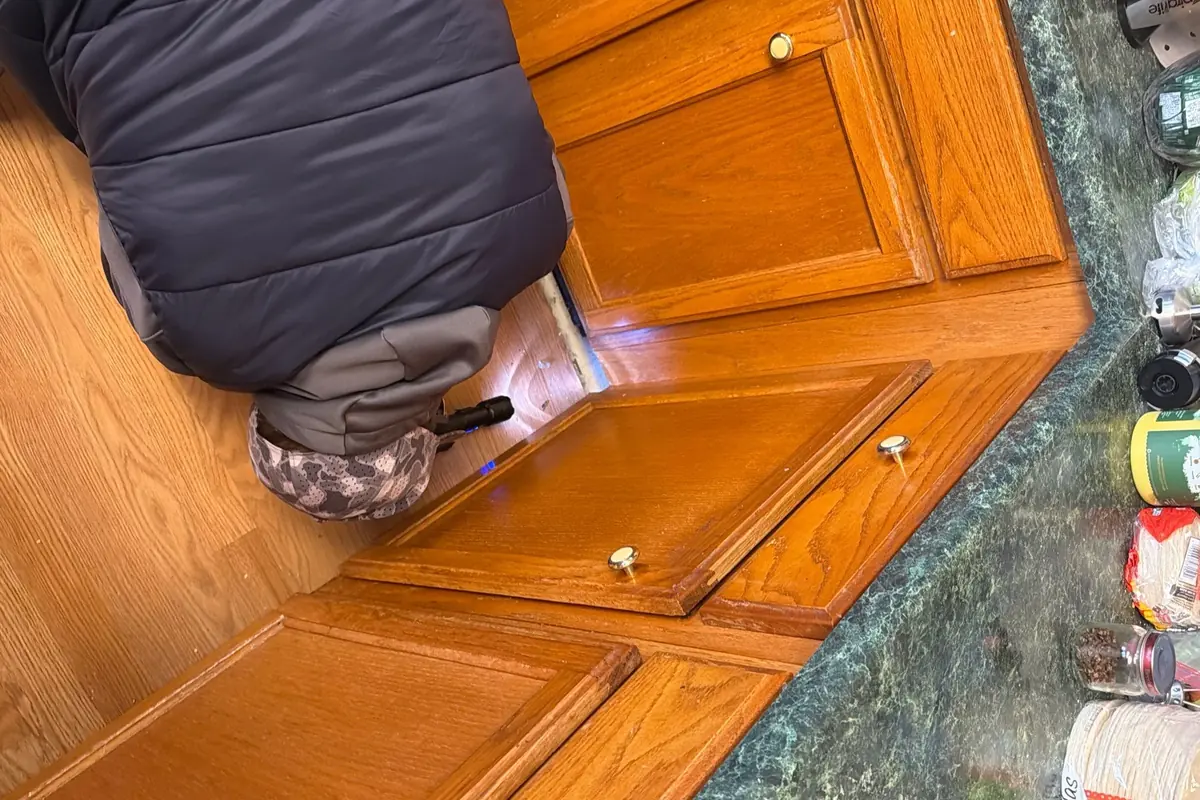
On a winter rodent job we packed and sealed an open gap inside the sink-base cabinet where a plumbing line came through the wall, a quiet interior route mice were using to move between the wall void and the kitchen. We sealed every opening we found, set traps, and scheduled a return to monitor. Winter is when Princeton’s mice push hardest from cooling fields and garages into the warm interior.
We build each Princeton plan around what we actually find, not a generic calendar.
Drawn from Pest Me Off service visits across Princeton. Licensed in Texas, TPCL #0937184.What Princeton calls about
The Pests Princeton Homes Call Us About Most
Ants first, because they are the pest Princeton searches for most, as every town we serve does. Then termites and rodents, next on Princeton’s own list.
Ants
Fire ants, odorous house ants & carpenter ants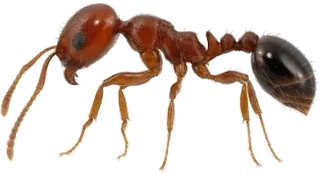
Fire ant mounds come up in lawns, flower beds and along sidewalks after spring rain, and a disturbed mound can sting a child or a pet many times over. Odorous house ants trail into kitchens and bathrooms looking for sugar and water. Carpenter ants are the ones to watch around wet wood, because they nest in it rather than eat it.
Our ant control in Princeton starts with which ant it is, because each one needs a different treatment, and the aim is the whole colony rather than only the ants you can see. House ants are covered from the BugOff plan up, and fire ants and carpenter ants from the Stinger plan up.
Termites
Eastern subterranean termites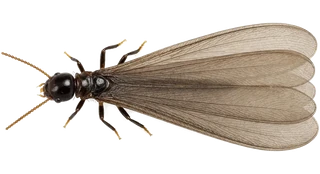
Eastern subterranean termites live in the soil and come up into a house through mud tubes on the foundation, eating wood from the inside where nobody sees it. Flying termites indoors on a warm spring day, often near a window, are usually the first sign, along with hollow-sounding trim or paint that bubbles.
Our termite treatment in Princeton starts with a full inspection of the foundation, the garage and any wood touching the soil. Termites are not part of the recurring plans, so treatment and monitoring are quoted on their own, and we return to check the treatment when our technician decides it is needed.
Rodents
Roof rats, Norway rats & house mice
Roof rats travel along tree limbs and fences and get in high, through gaps at the roofline, soffits and vents. Norway rats and house mice stay low, using the corners of the garage door and the gap where the heating and cooling lines enter the wall. Scratching in the attic or walls on a fall evening is usually the first sign.
Our rodent control in Princeton runs as one sequence. We find and seal every opening first, then trap, then return to check when needed, so new rodents cannot replace the ones we remove. Full rodent protection, the Mickey plan, keeps an exterior bait station working between visits.
Seasonal Pest Activity in Princeton
When each pest peaks in Princeton, so you know when to call before it gets bad.


Spring
Fire ant mounds come up after the spring rains, house ants trail indoors, and termite swarms appear on warm days after rain.

Summer
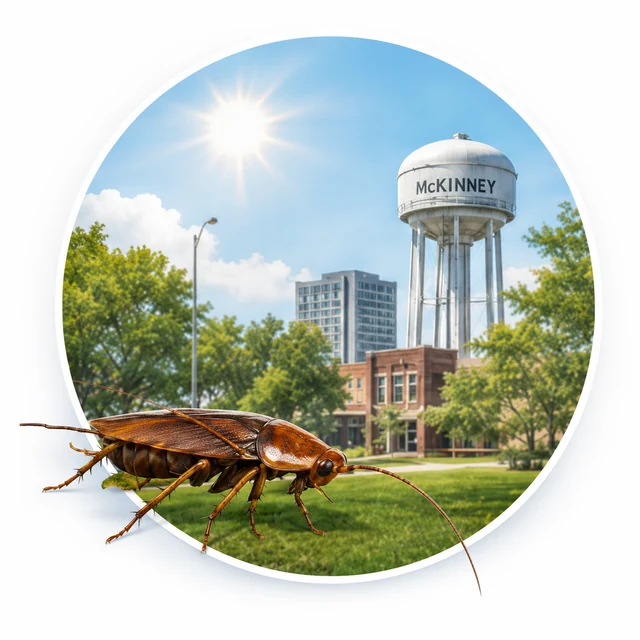
Cockroaches peak in the heat, mosquitoes rise along the creeks, and wasps build nests under eaves and in shrubs.


Fall
Rodent season starts as the nights cool, with roof rats heading for rooflines and mice for garages, which makes fall the best time for rodent proofing.


Winter
Rodents stay indoors in walls and attics, and German cockroaches keep breeding in heated kitchens.
Services in Princeton
Pest Control Services in Princeton, TX
Every service below is available across Princeton. Tap one for treatment details, or get a free estimate above.
 Rodent Control
 Roof rats, Norway rats and house mice, found, sealed out and trapped as one sequence.
 Rodent Proofing
 Permanent entry-point sealing, the fix that stops new rodents following the old route in.
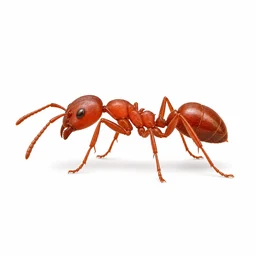 Ant Control
 Fire ants in the yard and house ants in the kitchen, treated by species.
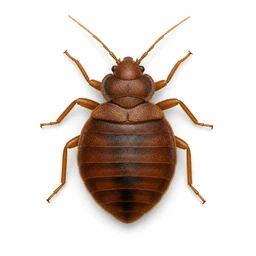 Bed Bug Treatment
 Discreet same-day inspection and treatment, with a timed follow-up visit when our technician decides it is needed.
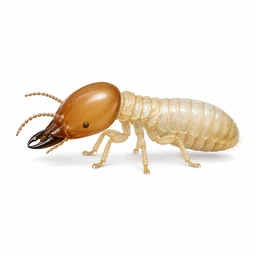 Termite Control
 Eastern subterranean termites treated and monitored before structural damage starts.
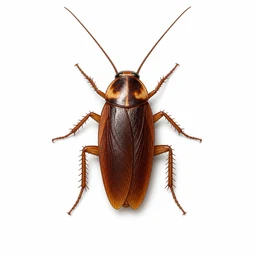 Cockroach Control
 German cockroaches in kitchens, American and Oriental cockroaches from drains and slab gaps.
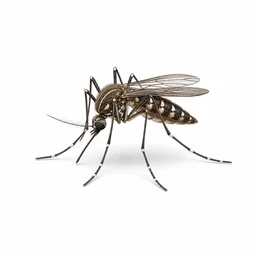 Mosquito Control
 Yard treatments through the warm months, April through October.
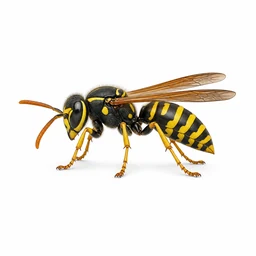 Wasp & Hornet Control
 Paper wasps on eaves and yellow jackets nesting near doors and bushes in late summer.
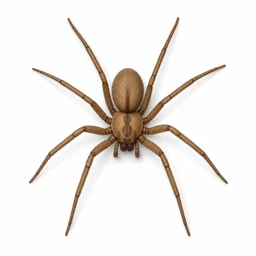 Spider Control
 Brown recluse and black widows in garages, attics and storage.
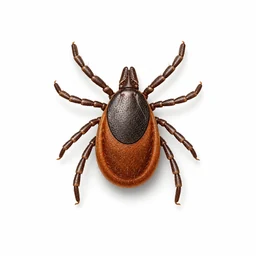 Flea & Tick Control
 Yard and home treatment for households with pets, April through October.
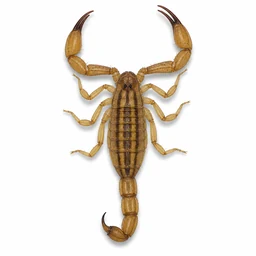 Scorpion Control
 Striped bark scorpions treated at the foundation, garage and entry gaps.
 Commercial Pest Control
 Restaurants, offices and shops across Princeton, on the same routes as the houses.
What Our Customers Say
I live in Princeton, TX and Pest Me Off did a great job servicing my home for ants and spiders. Would definitely recommend
I had a problem with yellow jackets nesting in my chimney. Pest Me Off sent a tech (Dylan) the same day within a few hours and tackled these wasps right away. Dylan treated the area with the wasp infestation and also sprayed around the entire perimeter of the roof. No complaints.
Dylan did an awesome job. Sprayed my entire yard (big yard), found 5 starter wasp nests and removed them. Even cleaned out cobwebs from the front of the house light fixtures outside. He asked questions, answered with knowledge, and was friendly to my pets.
Frequently Asked Questions
This page is written and maintained by the Pest Me Off team in Princeton, TX. Last reviewed September 2026 · Licensed by the Texas Department of Agriculture, TPCL #0937184.
Princeton’s Ants, Termites and Rodents Won’t Wait
Same-day pest control from a team that runs Princeton routes every week. Call or text now, or get a free estimate.
Pest Me Off has looked after Princeton homes since 2014, licensed by the Texas Department of Agriculture (TPCL #0937184), with a local team that runs Princeton routes every week.
Serving Princeton and 13 Nearby Cities
Cities we serve
Pest Me Off serves Princeton and 13 other cities across Collin County and the surrounding area. Call (972) 866-4720, Monday through Friday, 8:00am to 5:30pm.
We cover all of Princeton, along US-380 from the Lake Lavon north shore to Beauchamp Boulevard.