Wasp & Hornet Control in McKinney TX
Serving McKinney, Plano, Frisco, Allen and across Collin County.
 One-time from$299
 Plans from$40/mo
 No-contract options
 Free inspection & estimate
 Treats the source, not just the wasps you see
 Same-day pest control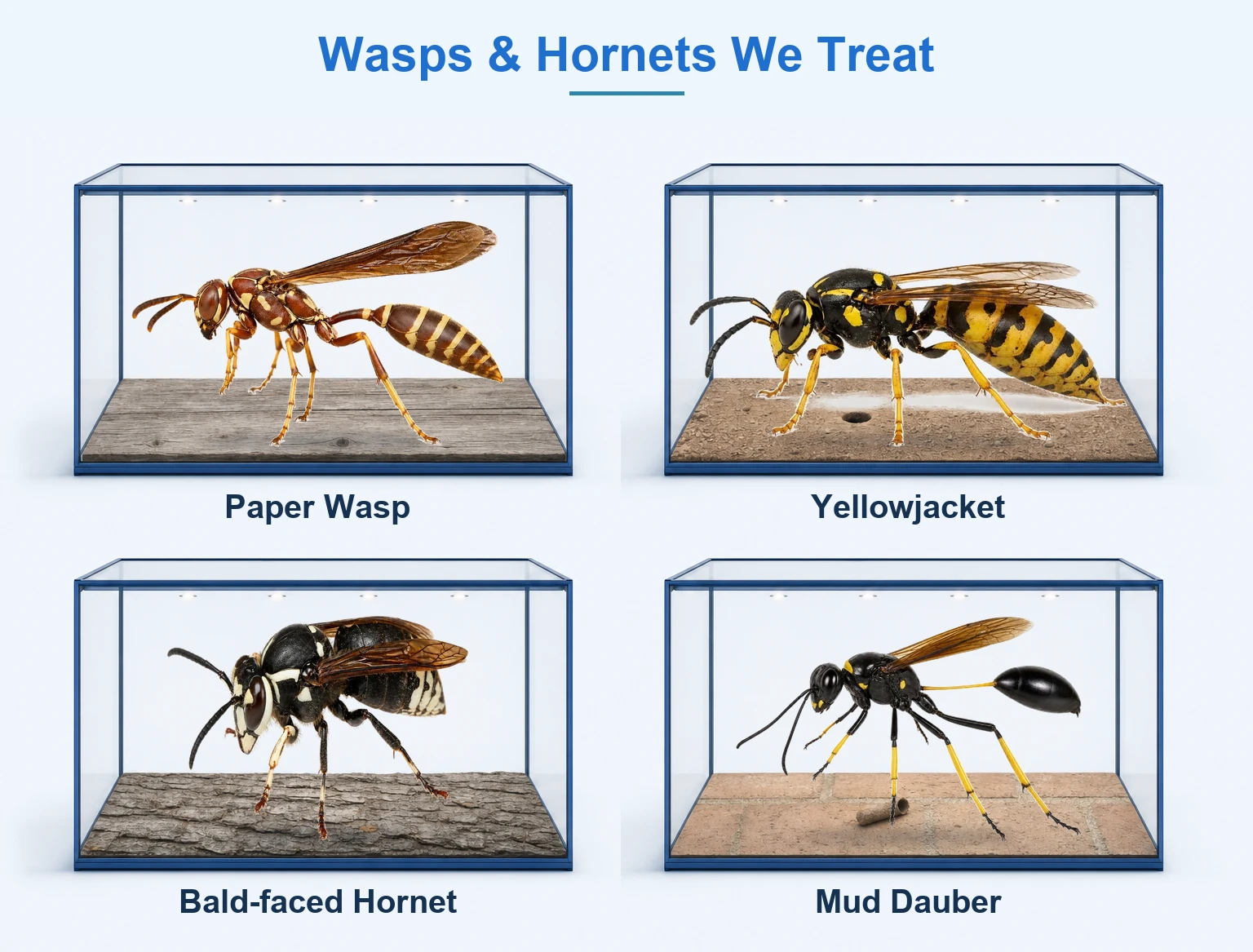



Why McKinney Homeowners Choose Pest Me Off for Wasp & Hornet Control
Pest Me Off is a family-owned, Texas-licensed pest control company that has been the wasp and hornet exterminator for McKinney, Plano, Frisco and Allen homes since 2014, clearing nests off eaves and out of yards. That includes one-time hornet nest removal and yellow hornet nest removal, for the yellowjackets most people call yellow hornets.
Every home is treated by a licensed applicator, never a subcontractor. A can of wasp removal spray from the store knocks down the wasps you can see and leaves the nest, the attachment surface, and any hidden nests on the same wall to rebuild. We find every nest, remove it safely, and treat the spots wasps keep coming back to, which is the part that actually keeps them off your eaves and out of your yard.
How our wasp & hornet exterminator service works
A can of store spray knocks down the wasps in the air and leaves the nest hanging, the scent-marked surface untreated, and any hidden nests on the same wall to rebuild. The RID Method goes after the whole problem: every active nest removed safely, the nesting points wasps keep returning to treated, and the attachment surface cleaned so next spring’s queens are not drawn back. Remove and Install both happen on the initial visit. That is our one-time Wasp Annihilation service. Defend is the ongoing step, available on a recurring plan, for homes that see nests on the eaves every season.
Remove the Active Nest Safely
We Remove the nest itself, not just the wasps flying around it. The technician treats the colony first so it cannot mount a defense, then knocks down and bags the nest. Paper wasps run several small nests on one wall, yellowjackets hide a colony of thousands inside a ground hole or wall void, and a bald-faced hornet nest can hold hundreds of workers. We find and clear all of them. Hornets and yellowjackets defend in numbers and chase threats well past the nest itself, so the nest’s location sets the approach: a hanging hornet ball, a ground hole, and a wall void each get treated differently.
- Full perimeter walk to find every nest, including the ones you cannot see
- Colony treated before the nest comes down, so it cannot swarm the area
- A wall-void nest is never sealed before the colony is dead, so wasps never break into the living space
- EPA-registered, pets back on treated areas once the treatment dries
Install Scorched Earth Barrier
On the same visit, we Install the Scorched Earth Barrier and treat the spots wasps keep choosing: eaves, soffits, porch ceilings, window frames, playsets, and meter boxes. Cleaning the old attachment surface removes the scent that draws next spring’s queens straight back to the same corner. That is the step a knockdown spray always skips.
- Common nesting points treated: eaves, soffits, porch ceilings, playsets
- Attachment surface cleaned so queens are not drawn back next spring
- Confirmed nests treated, one trip, nothing to schedule later
- Pets and kids back in the yard once it dries
Defend Year-Round
Remove and Install clear the nests you have today. Defend keeps them off. Quarterly visits keep the Scorched Earth Barrier live across the eaves and porch so a new queen never gets a starter nest going in spring. The one-time Wasp Annihilation service handles R and I. Defend is the step you add when you want the yard held all season.
- Quarterly re-treatment keeps the nesting points covered through peak wasp season
- Re-service between visits when our tech decides it is needed
- Contract plans and no-contract options both available
- Quarterly plans start at $40/mo
Texas A&M AgriLife Extension documents that lasting wasp and hornet control means treating the colony before removing the nest, cleaning the attachment surface to stop the return cycle, and never sealing a wall-void nest before the colony is dead. We do all of that on one visit.



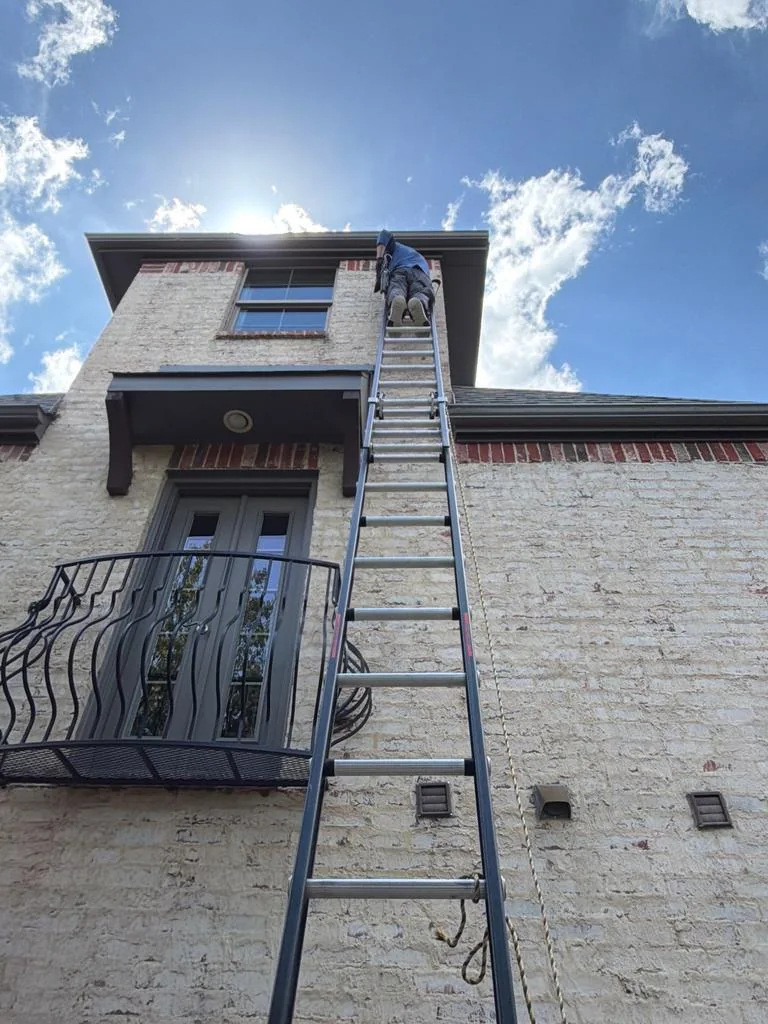
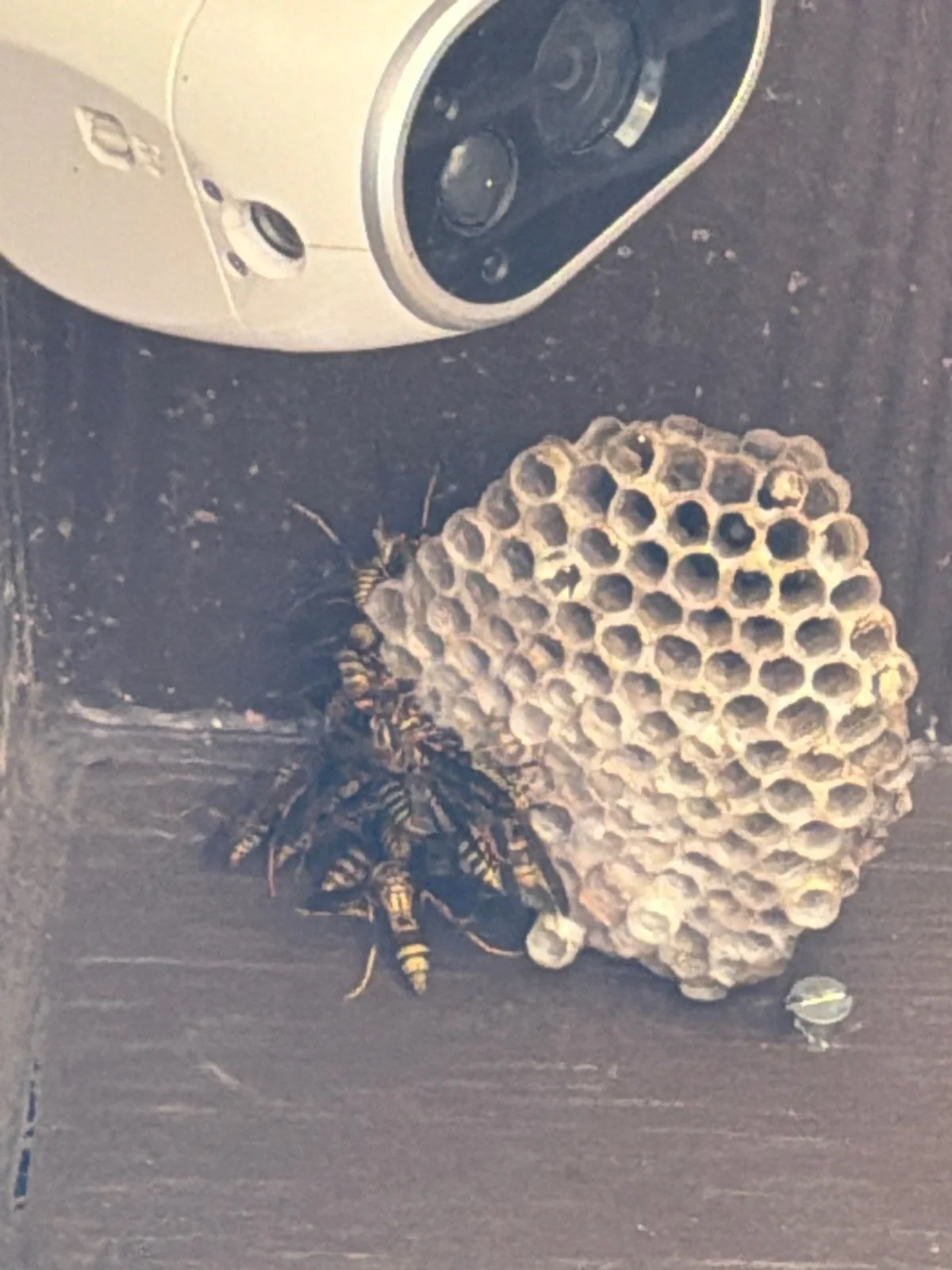
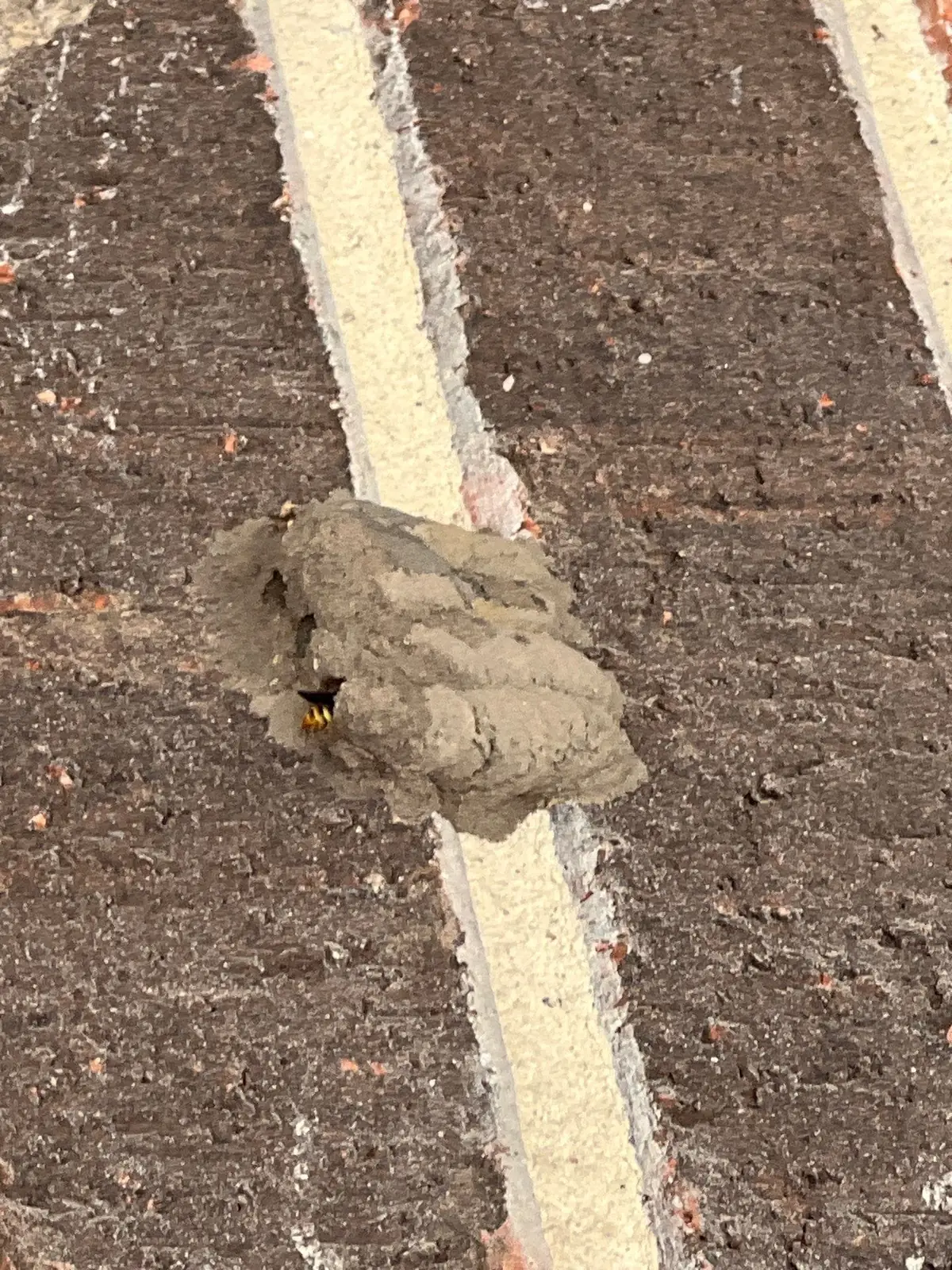
Real wasp jobs we have handled
Not stock photos. A few recent wasp and hornet calls across Collin County. Tap any photo to see it full size.
Pricing for Wasp & Hornet Control
Three options, all built around the same work: finding and removing every active nest safely, then treating the spots wasps keep coming back to. Pricing scales with how many nests there are, where they sit, and how hard they are to reach. The free inspection confirms your number before anything gets scheduled.
Our one-time knockout when you want the problem gone right now.
No return visits included. The recurring plan adds year-round protection.
- Full targeted treatment in one visit
- Pay once, no plan required
- Some activity for a short window is normal while the treatment works

The plan most McKinney homeowners choose. Quarterly coverage for wasps and hornets plus the common household pests.
- The full treatment repeated every quarter
- A protective barrier kept active around your home year-round
- Stops new pests drifting in from neighboring properties
- Re-service between visits when our tech decides it is needed

The same plan, month to month.
- The same quarterly treatment and year-round barrier
- No annual commitment
- Re-service on eligible plans when our tech decides it is needed
- Cancel any time without penalty
Want pricing detail for other pest services? See the full Pricing page.
Why DIY Wasp & Hornet Spray Fails in McKinney TX
Every can of wasp spray makes the same promise. The trouble is what the can cannot do: it does not reach a nest hidden in a wall or the ground, it does not stop next spring’s queens returning to the same corner, and it puts you on a ladder within reach of an angry colony. Wasps sting again and again, hornets and yellowjackets defend the whole area around the nest in numbers, and one bad reaction can land someone in the ER. A bald-faced hornet ball or a yellowjacket ground nest is never a DIY job. Here is what homeowners try, why it does not work, and what our team does differently.
| What homeowners try | Why it fails | What actually works |
|---|---|---|
|
Blast the nest with a jet-stream wasp sprayRaid, Spectracide hornet class
|
|
Treat the colony first, then remove the nest
The colony is treated so it cannot defend, then the nest is knocked down and bagged by a licensed applicator. |
|
Plug the hole the wasps are using on the wall or ground
|
|
Treat the void, leave the entry open, seal only after the colony is dead
An insecticidal dust the workers carry deep into the nest, then the entry is sealed once activity stops. |
|
Climb a ladder to knock the nest off the eaves yourself
|
|
Identify the wasp first, then a matched, ground-level plan
|



The Paper Wasp and the Other Stingers Around McKinney Homes
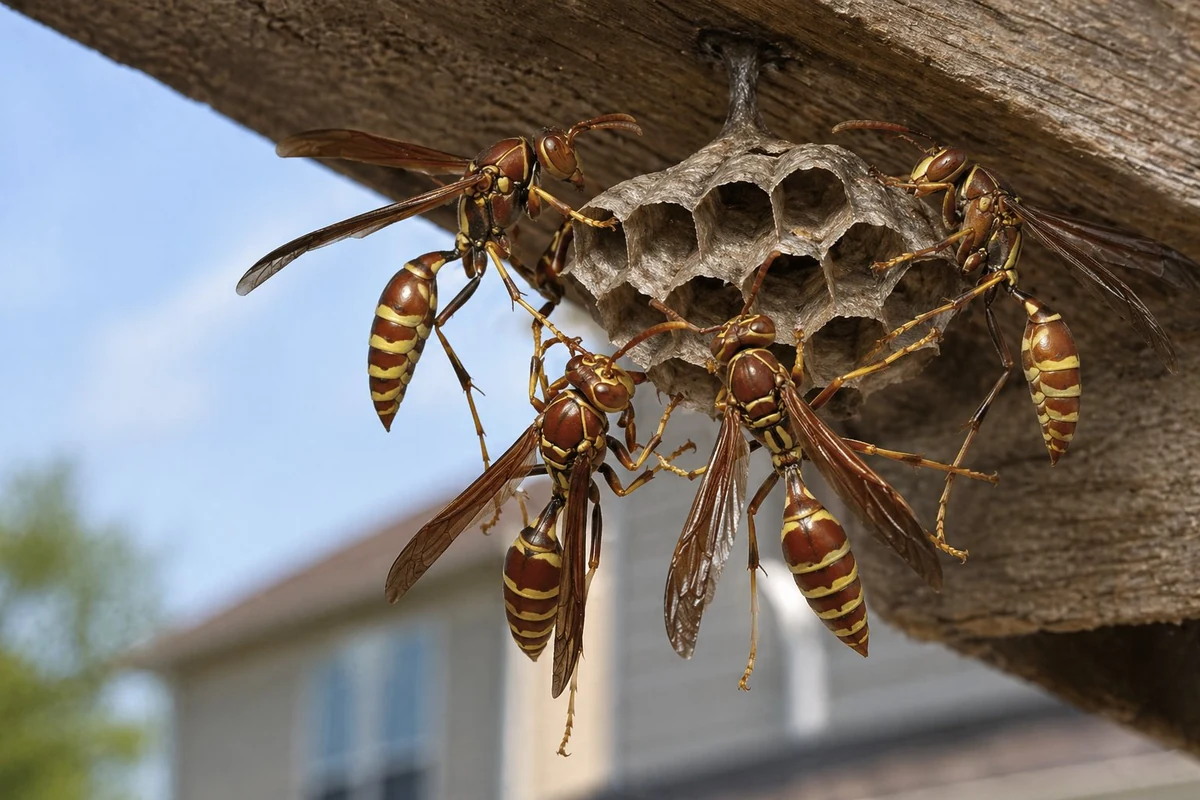
The paper wasp is the most common stinging call across Collin County, with its open umbrella nest under the eaves and porch ceiling. It is rarely alone. The same yard can hold yellowjackets in the ground or a wall, a bald-faced hornet ball in a tree, and harmless mud daubers or cicada killers that look scary but seldom sting. Telling them apart is the first step, because each one is treated differently.
 Stinging risk · stings repeatedly to defend the nest
 Many timesa single wasp can sting, the stinger is not barbed
 16 to 25 mmslender, with legs that dangle in flight
 Every springqueens return to the same eave corner
 Identify
Slender wasp with long legs that dangle as it flies and an open, umbrella-shaped paper nest with cells you can see from below. Yellowjackets are stockier and hide their nest. Bald-faced hornets are big, black-and-white, and build a gray ball.
 Where active
Eaves, soffits, porch and patio ceilings, window and door frames, playsets, and meter boxes. Yellowjackets nest in the ground or a wall void. Hornets hang a ball in a tree or shrub.
When activeQueens scout eaves in February, nests build through spring, and the colony is largest and most defensive in August and September. The whole colony dies at the first hard freeze.
 Spread risk
Paper wasps build several nests on the same house, so the one by the door is rarely the only one. A late-summer yellowjacket ground nest can hold thousands of workers found by accident while mowing.
 Sting risk
Wasps and hornets sting over and over, and yellowjackets and bald-faced hornets attack in numbers. For anyone allergic, a sting can be a medical emergency. Mud daubers and cicada killers look alarming but almost never sting.
Our approachIdentify the wasp first. Treat the colony before the nest comes down, remove every nest we find, Install the Scorched Earth Barrier, and clean the attachment surface so queens are not drawn back.

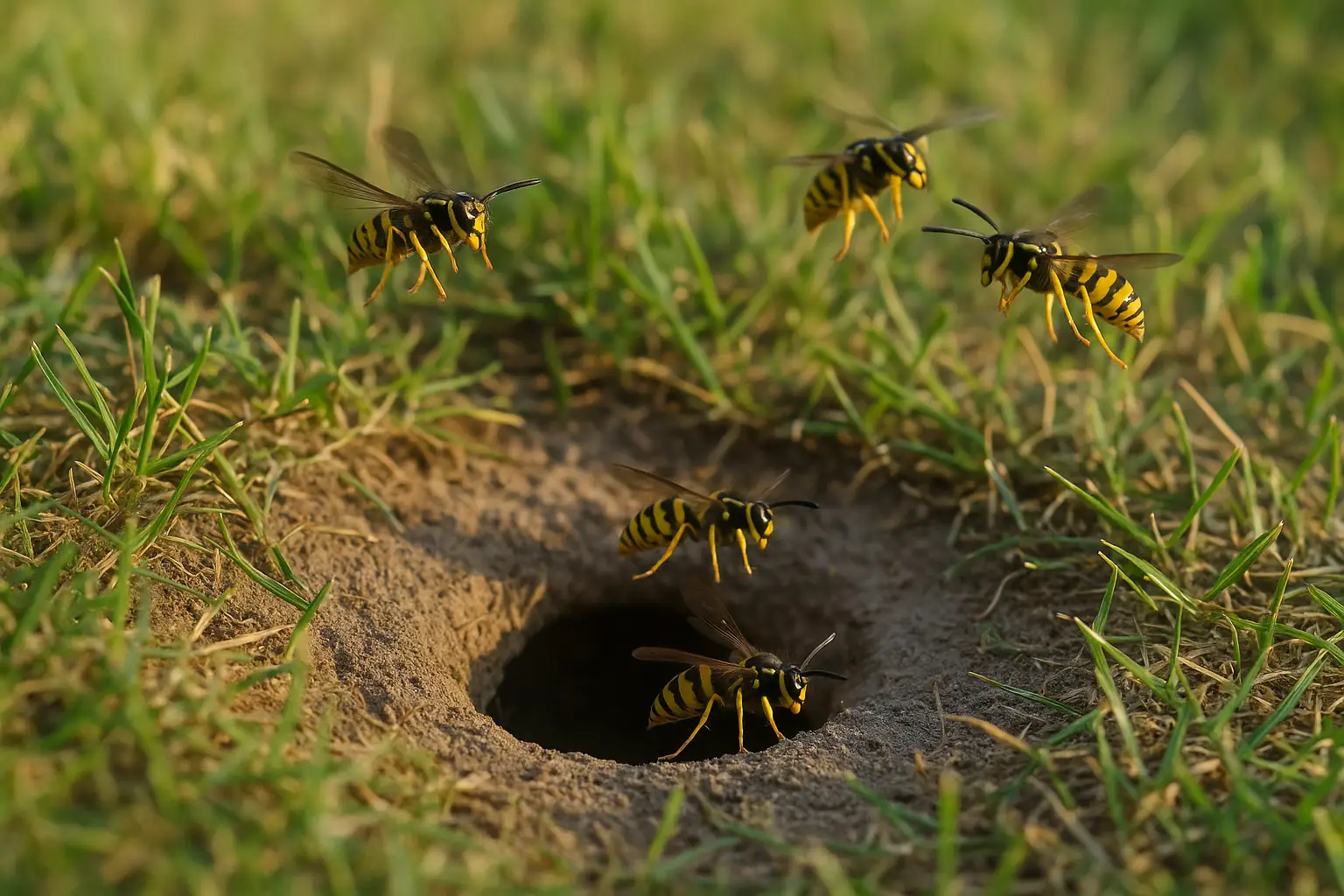
Watching wasps pour in and out of a hole? That is a Yellowjacket nest.
Paper wasps are the most common wasp call in Collin County, and you can see their open comb under the eave. Yellowjackets are the opposite: the nest is hidden in the ground or a wall, thousands strong, and it takes a completely different attack.
- Steady traffic in and out of one hole, with no visible nest
- Usually found while mowing, trimming, or digging
- Never plug the hole: it drives the colony into the wall
Bee or Wasp? Ranked by How Dangerous They Actually Are
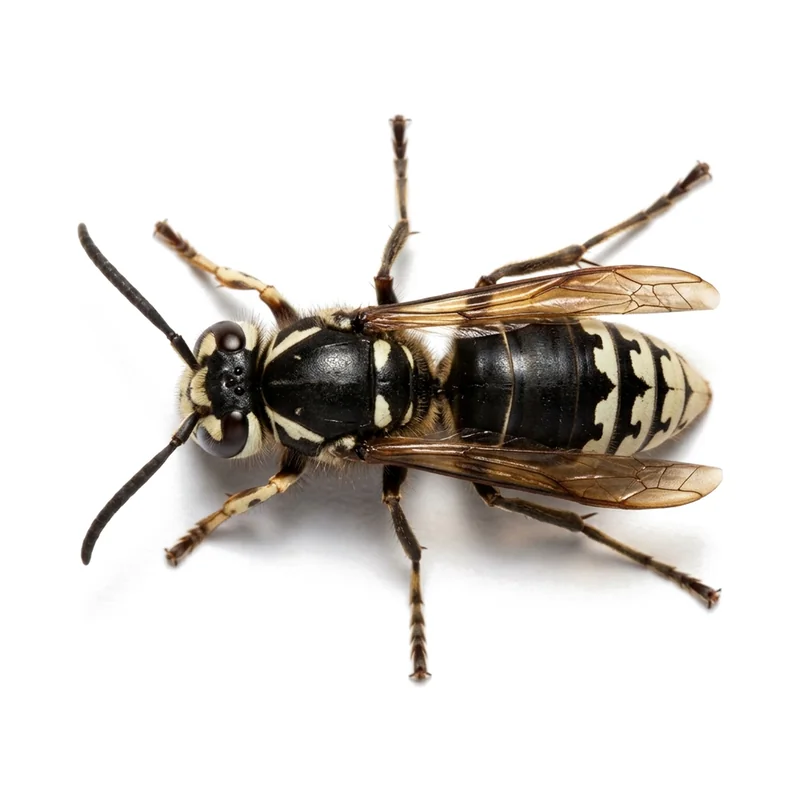
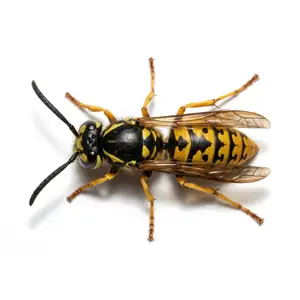
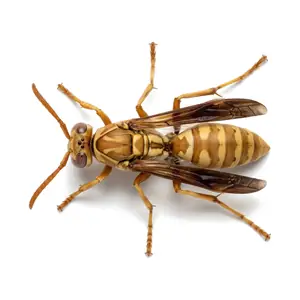
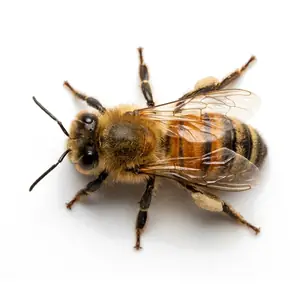
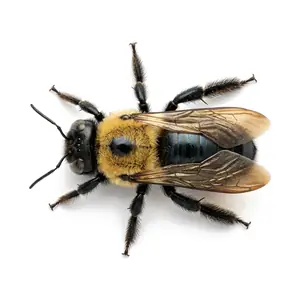
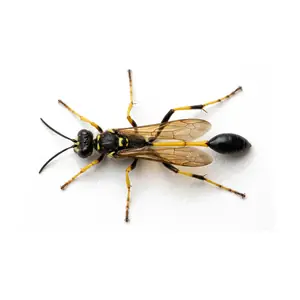
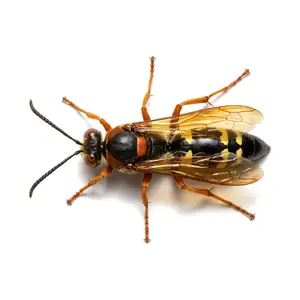
Are hornets more aggressive than wasps? Yes. The bald-faced hornet, technically a yellowjacket species itself, is the most defensive wasp in Collin County, and late-summer yellowjackets are right behind it. Both attack in numbers when the nest is disturbed. The scariest-looking ones, mud daubers and cicada killers, almost never sting anyone. Here are all seven, ranked by how hard each one defends its nest and how badly an encounter is likely to go.
Wasp & Hornet Prevention in McKinney TX Homes
Wasps are a yearly Texas reality, not a one-time problem. Our one-visit treatment clears the nests you have today. Keeping them off your eaves next spring takes ongoing pressure and treating the spots they keep choosing.
A wasp colony dies at the first hard freeze, but that is not the end of it. New queens overwinter and return to the same eaves and porch corners every spring because of scent left on the old nest surface. Nests are largest and most defensive in August and September, which is exactly when most stings happen and why treating the surface, not just spraying the nest, is what breaks the cycle.

Ongoing service keeps pressure on new nests all year. Quarterly plans start at $40/mo, with re-service between visits when our tech decides it is needed. No-contract options are available too.
See plan options
Your eaves and porch are the sheltered spots they want. Paper wasps choose protected overhangs: eaves, soffits, porch ceilings, window frames, playsets, and meter boxes. Yellowjackets slip into a ground hole near the foundation or a gap in the brick. Across McKinney, Plano, Frisco, and Allen, covered patios and new construction give them plenty of fresh surface every spring.

Treating the surface, not just the nest, is the only prevention that holds. Our team keeps the Scorched Earth Barrier live across the eaves and porch, treats the spots wasps keep choosing, and cleans the old attachment surface so next spring’s queens are not drawn back. A knockdown spray never does that, which is why the nest is back the next season.

The honest math: a single Wasp Annihilation visit clears the nests you have today. A quarterly plan clears that and stops a new queen ever getting a starter nest going. For homes that see wasps on the eaves every summer, recurring is the only model that actually keeps the yard usable.
Wasp & Hornet Control in McKinney, Allen, Frisco, and Plano
Wasp pressure runs hardest on covered patios, shaded eaves, and around mature trees, with calls climbing through late summer when nests are at their largest. We work daily across all 14 service cities.

Allen, TX
High pressureThe shaded eaves and covered patios through Twin Creeks and Cypress Meadows give paper wasps plenty of protected overhang to build under. Established landscaping near Watters Creek hides yellowjacket ground nests in the beds and a bald-faced hornet ball in the bigger trees. We find every nest and remove it safely, not just the one by the door.
Allen pest control
Frisco, TX
High pressureMaster-planned neighborhoods like Stonebriar and Phillips Creek Ranch are full of newer homes with wide covered patios, a paper wasp favorite, and brick weep holes that let yellowjackets into the wall. Hollyhock backs onto wooded greenbelt buffers where bald-faced hornets hang their gray nests in the canopy near the property line.
Frisco pest control
McKinney, TX
High pressureShaded, established lots across Stonebridge Ranch and Craig Ranch have the mature turf and beds where yellowjacket ground nests turn up during summer mowing. Painted Tree backs onto wooded buffers that put bald-faced hornets right at the property line. Older homes near the historic downtown canopy see paper wasps return to the same eaves every spring.
McKinney pest control
Plano, TX
High pressurePlano has the most mature tree canopy in our service area, so bald-faced hornet and paper wasp pressure runs high. Decades-old shade trees in Gleneagles and Willow Bend hide hornet nests until the leaves thin in fall. East Plano homes near Spring Creek back onto wooded corridors where wasps and yellowjackets are a yearly summer problem.
Plano pest control
Get a free wasp and hornet control estimate · response in 1 hour during business hours
Tell us where you are seeing the nest and what the wasps look like. We confirm your free same-day visit within 1 hour during business hours (Mon-Fri 8am-5:30pm).
- Every nest found and removed safely on every call
- Pet friendly service, family back in the yard once it dries
- No-contract options alongside quarterly plans
- Same-day service when you call before noon
- Re-service between visits on eligible recurring plans, when our tech decides it is needed
Thanks! We got your request.
A Pest Me Off team member will confirm within 1 hour during business hours.
For immediate same-day help: (972) 866-4720
Wasp & Hornet Control FAQ
Is it safe to knock the nest down myself?+
What should I do if someone gets stung and has a reaction?+
Are bees different from wasps, and do you treat them?+
How do you handle wasp treatment around my dog and kids?+
Why do wasps keep coming back to the same spot every year?+
Why do I still see wasps right after the nest was removed?+
Wasps are coming out of a hole in my wall or the ground. What now?+
When are wasps and hornets worst in Collin County?+
There are mud tubes or a big buzzing wasp digging in my yard. Is that dangerous?+
All Pest Control Services in McKinney and Collin County
 Ant Control
 Bed Bug Control
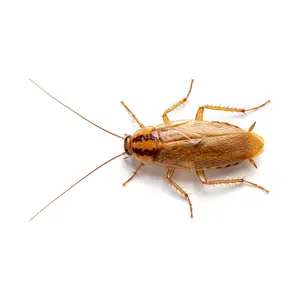 Cockroach Control
 Mosquito Control
 Rodent Control
 Spider Control
 Wildlife Removal
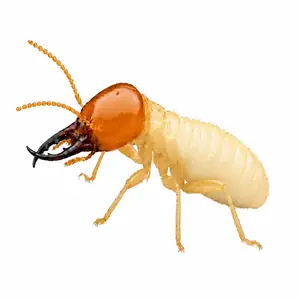 Termite Treatment
Ready to get the yard back in McKinney?
What’s bugging you? Our team has cleared wasp and hornet nests across McKinney, Plano, Frisco, and Allen since 2014. 300+ five-star reviews. Best Pest Control McKinney 2025 and 2026. Same-day service when you call before noon. Texas TPCL #0937184. Open Mon-Fri 8am-5:30pm.