Same-Day Appointments Available

 – Call Now!

Home/Service Areas/Pest Control Little Elm TX

Same-Day Pest Control in Little Elm, TX | Fire Ants & Rodents

Serving Paloma Creek, Union Park, Sunset Pointe, Valencia on the Lake, and all of Little Elm, TX with same-day pest control.

(972) 866-4720   Call Now Call for Same-Day Service
⚡ Same-Day Service
🐱 Pet-Safe Treatments
📋 No-Contract Options
🏠 12+ Years Locally Owned
⭐ Every Review 5.0 Stars on Google

Why Pests Stay Active in Little Elm, TX

Pest control in Little Elm, TX starts with the lake. The Town of Little Elm sits along 66 miles of Lake Lewisville shoreline in Denton County, and nearly every residential neighborhood in the city was built on former farmland or lakeshore scrubland that already supported established fire ant colonies. That construction displacement is not a one-time event. Union Park is still actively building out on 757 acres of former agricultural hayfields, and Prairie Oaks along US 380 is currently clearing roughly 300 additional acres. Every new phase pushes fire ants and rodents from undisturbed land directly into adjacent finished lots. The lake itself is the largest single mosquito breeding source in Denton County, and the 66-mile shoreline creates a continuous wildlife travel corridor that roof rats follow from the water's edge to residential rooflines throughout the city. If you are searching for pest control near me in Little Elm, Pest Me Off is based in McKinney and serves all of Little Elm same-day throughout Denton County and surrounding areas.


Lake Lewisville Shoreline (66 Miles) Fire Ants and Rodents

Little Elm's 66-mile Lake Lewisville shoreline creates the longest riparian roof rat and Norway rat movement corridor in Denton County. Nearly every residential lot in the city was built on former farmland or lakeshore scrubland, displacing established fire ant colonies directly into finished yards.

Union Park and Active Construction Corridors Fire Ants and Rodents

Union Park was built on 757 acres of former agricultural hayfields, and ongoing new phases plus Prairie Oaks (Perry Homes and D.R. Horton, roughly 300 acres along US 380) continuously displace fire ant colonies and house mice from cleared land into adjacent completed neighborhoods.

Lake Lewisville and Community Ponds Mosquitoes

The 23,280-acre Lake Lewisville reservoir is the largest mosquito breeding source in Denton County. Internal catch-and-release ponds in Sunset Pointe and Union Park's 30-acre Central Park add additional breeding habitat within walking distance of most Little Elm homes from May through October.

Fire Ant Exterminator in Little Elm, TX

Most Common Species in Little Elm
Red Imported Fire Ant
Neighborhood Hot Spots
Union Park Paloma Creek Sunset Pointe Valencia on the Lake
Peak Active Season
Spring and Fall

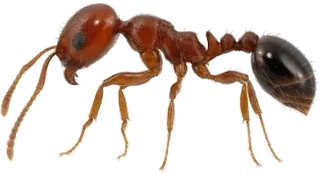
Fire ant pressure in Little Elm is a construction-displacement problem that has been running continuously since the city's 5-plus percent annual growth rate began. Union Park was developed on 757 acres of former Rudman Family agricultural hayfields, land that supported established fire ant colonies for years before clearing began. When that soil is turned for development, those colonies do not leave the area. They fracture and spread into the nearest available finished turf, which is the adjacent completed phase. Paloma Creek spans nearly 1,500 acres along the Lake Lewisville shoreline and continues opening new phases, repeating the same displacement cycle. Prairie Oaks along US 380 adds another 300-plus acres of active clearing. The result is that Little Elm homeowners are not just dealing with the fire ants already in their yard. They are absorbing new pressure from whatever clearing operation is currently running nearest to their property. Clay-rich lakeside soil throughout Little Elm retains moisture longer than sandy soils after rain, extending the active foraging window and supporting larger colony densities than most DFW cities see.

The reason fire ant treatments underperform in Little Elm is the same reason they underperform in any high-displacement city: the source is external and continuous. A bait treatment that eliminates every colony on a treated lot can be re-colonized within weeks from adjacent undeveloped land still being cleared nearby. Effective fire ant control requires a bait formulation applied at the right soil temperature window, which in North Texas is March through May and again in September through November when ants are actively foraging close to the surface. Our fire ant control team serves all of Little Elm same-day and applies timing-matched treatments calibrated for the lakeside clay soil conditions that drive colony density throughout the city.

Rodent Control in Little Elm, TX

Most Common Species in Little Elm
Roof Rat Norway Rat House Mouse
Neighborhood Hot Spots
Paloma Creek Union Park Valencia on the Lake
Peak Active Season
Fall through Winter

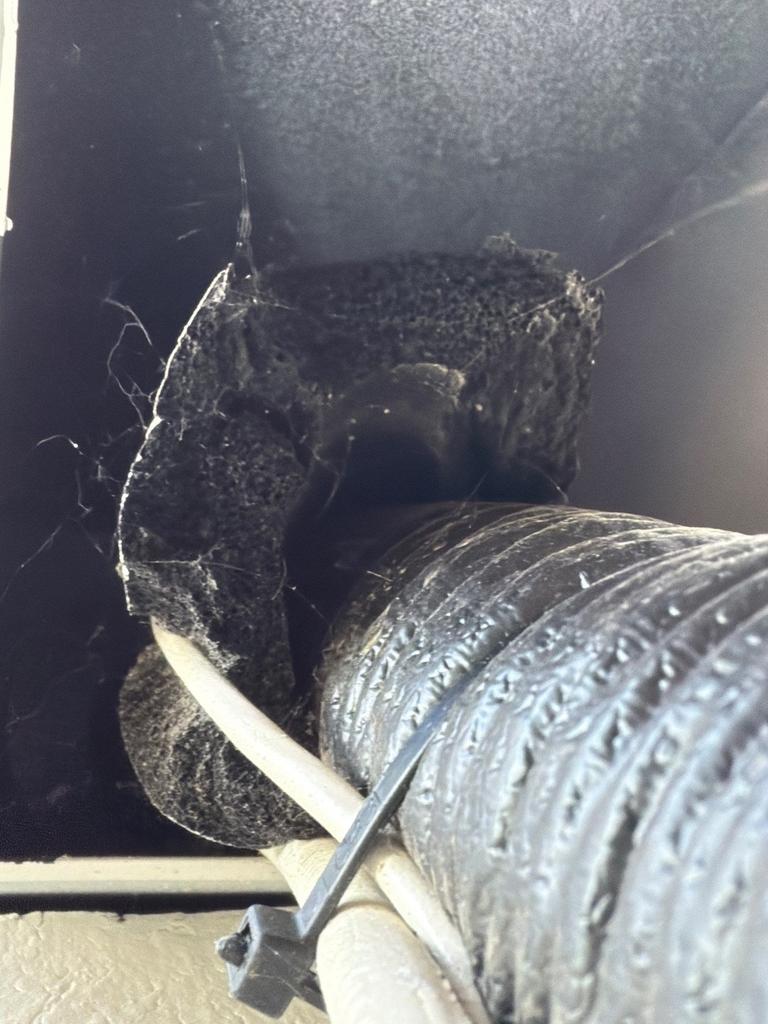
Little Elm has the longest riparian rodent movement corridor in Denton County. The 66-mile Lake Lewisville shoreline gives roof rats a continuous tree canopy network connecting the water's edge to residential rooflines throughout every lakeside neighborhood in the city. Roof rats do not travel overland when they can travel through connected tree canopy, and the mature trees along the lake greenbelts in Paloma Creek and Valencia on the Lake provide exactly those routes. Norway rats follow the drainage corridors and storm drain infrastructure that runs from the Lakefront District restaurant and marina area through surrounding neighborhoods. Cottonwood Creek Marina and the food waste associated with the marina and waterfront dining on Lakefront District create year-round Norway rat foraging activity that extends into adjacent residential streets. The construction displacement pressure adds a house mouse component: active clearing at Union Park and Prairie Oaks pushes house mice from undeveloped land into adjacent homes throughout the fall, when temperatures drop and outdoor food sources decline.

Roof rat activity in Little Elm is a structural access problem as much as a population problem. Roof rats enter through the roofline, not the foundation. They travel from lake-adjacent tree canopy across fence lines and utility runs to reach rooflines, then find entry through soffit gaps, attic ventilation screens, and any opening where roofline materials have separated. The 88 percent post-2000 housing stock in Little Elm means most homes are approaching the age where roofline gaps that were tight at construction have widened enough to allow access. Our rodent control team starts every Little Elm job with a full exterior inspection to map all active entry points before any treatment begins, because population control without exclusion does not hold results when the lake shoreline is continuously repopulating the surrounding tree canopy.

Mosquito Control in Little Elm, TX

Neighborhood Hot Spots
Paloma Creek Valencia on the Lake Sunset Pointe Union Park
Peak Active Season
May through October

Little Elm is the only city in the Pest Me Off service area where lake-driven mosquito pressure is severe enough to anchor the conversation. The 23,280-acre Lake Lewisville reservoir is the largest standing water source in Denton County, and the Town of Little Elm operates its own formal West Nile Virus monitoring program that tests mosquito populations and issues alerts to residents through the Mainsail newsletter throughout the season. That monitoring program confirms what lakeside homeowners already know: mosquito pressure in Little Elm is not a neighborhood nuisance. It is a public health consideration that the city tracks formally every year. What the monitoring program does not do is treat individual residential yards. The city monitors public spaces and the lake perimeter. Your backyard is your responsibility. For properties bordering the lake greenbelts in Paloma Creek and Valencia on the Lake, the distance between the breeding source and your outdoor living area can be measured in yards, not miles. Internal ponds in Sunset Pointe and Union Park's 30-acre Central Park add secondary breeding sources that are maintained by HOAs rather than individual homeowners, meaning you cannot drain or treat them independently.

Lake Lewisville also produces a pest that is unique to Little Elm in the service area: chironomid midges, commonly called lake flies or blind mosquitoes. These non-biting flies emerge from the lake in dense swarms during April through May and again in September through October, covering siding, windows, and light fixtures in thick layers that can make outdoor living genuinely unpleasant during peak emergence windows. They are not mosquitoes and they do not bite, but they breed in the lake sediment and are not controllable by standard mosquito barrier treatment. Our mosquito control team serves all of Little Elm same-day and applies barrier treatment targeting resting vegetation around the structure to reduce the mosquito population reaching your yard from the lake perimeter.

What Little Elm Homeowners Are Saying About Pest Me Off

★★★★★ Every review, 5.0 stars on Google See all Pest Me Off customer reviews →
Jaden F.
Google Review
The level of professionalism and knowledge I received was top notch. Ryan was able to come out within 2 hours of me calling and went above and beyond, treating the outside of my home for wasps, mosquitoes, ticks, and fleas. One of the best experiences I have had with a pest control company. Will definitely recommend.
Vikas R.
Google Review
Had a great experience with Ryan from Pest Me Off. He came in quick for an inspection as we were facing rodent issues on the outside. Did a thorough inspection and came in the day after to set up the bait traps. First treatment already in and very happy with the service so far.

High Pest-Activity Neighborhoods in Little Elm, TX

These neighborhoods generate our highest call volume in Little Elm. Pest Me Off serves every Little Elm neighborhood and zip code.


Paloma Creek

Paloma Creek spans nearly 1,500 acres along the Lake Lewisville shoreline with multiple ongoing construction phases, internal creek corridors, and lake-adjacent greenbelts that create sustained fire ant, roof rat, and mosquito pressure year-round. Active construction phases continuously displace fire ant colonies from cleared land into finished lots, and the mature tree canopy along the lake greenbelts gives roof rats direct travel routes from the shoreline to residential rooflines. Our fire ant control team serves Paloma Creek same-day throughout the building season.

Union Park

Union Park was built on 757 acres of former Rudman Family agricultural hayfields and continues adding phases toward 3,200 total homes, with a 30-acre Central Park fishing pond that holds standing water throughout the mosquito season. Fire ant pressure in Union Park is among the highest in the service area because construction on former farmland has been displacing established colonies continuously since 2013. Roof rat activity runs along the wooded greenbelt edges bordering the active development corridor. Our rodent control team serves Union Park same-day.

Sunset Pointe

Sunset Pointe includes four amenity centers and multiple catch-and-release ponds that hold standing water throughout the mosquito season, creating breeding pressure that residents cannot drain or treat independently. Homes built in the 2004 to 2019 window are now at the age where attic storage accumulation and settled roofline gaps create the conditions brown recluse spiders prefer. Lake adjacency also drives the flea and tick pressure that pet-owning households in Sunset Pointe see from spring through fall. Our mosquito control team serves Sunset Pointe same-day throughout Little Elm.

Valencia on the Lake

Valencia on the Lake is a 1,300-home lakeside community across 448 acres directly adjacent to Little Elm Park and the Lake Lewisville shoreline, placing it at the highest mosquito and wildlife-driven pest pressure of any neighborhood in the city. The shoreline adjacency brings Norway rats from the marina and dock corridor into residential perimeters throughout the year, and elevated insect populations near the water support significantly higher spider pressure than interior neighborhoods. Our spider control team serves Valencia on the Lake same-day throughout Little Elm.

Pest Control Services in Little Elm, TX

Ant Control in Little Elm, TX

Same-day fire ant and ant control throughout Little Elm, with bait treatments timed to North Texas soil temperature windows for results that hold against the continuous construction-displacement pressure unique to the city.

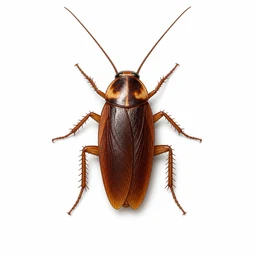
Cockroach Exterminator in Little Elm, TX

German and American cockroach treatment for Little Elm homes, including lakeside properties where Smoky Brown cockroaches are active around mature tree canopy during summer months.

Spider Control in Little Elm, TX

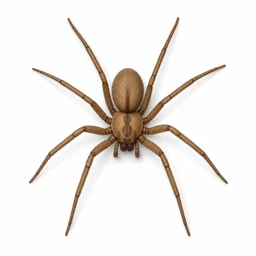
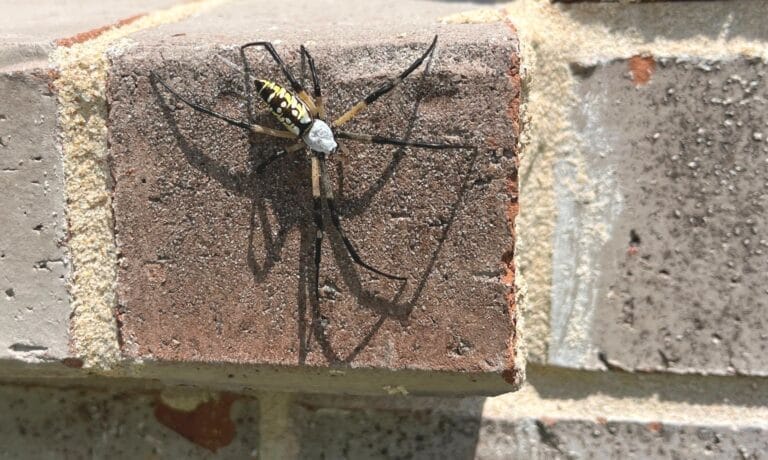
Brown recluse and wolf spider treatment for Little Elm homes, including properties near the lake shoreline where elevated insect populations support higher spider pressure throughout the warm season.

Rodent Removal in Little Elm, TX

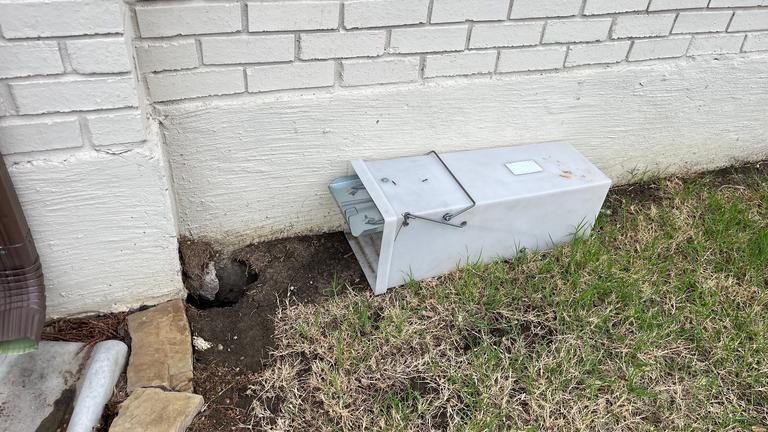
Roof rat and Norway rat control for Little Elm homes, with full exterior inspection to map roofline entry points and exclusion work to seal the structure against the lake shoreline travel corridor that roof rats use throughout the city.

Wasp Removal in Little Elm, TX

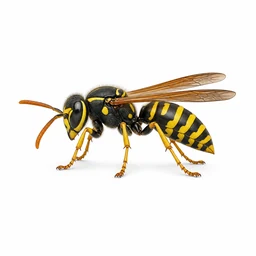
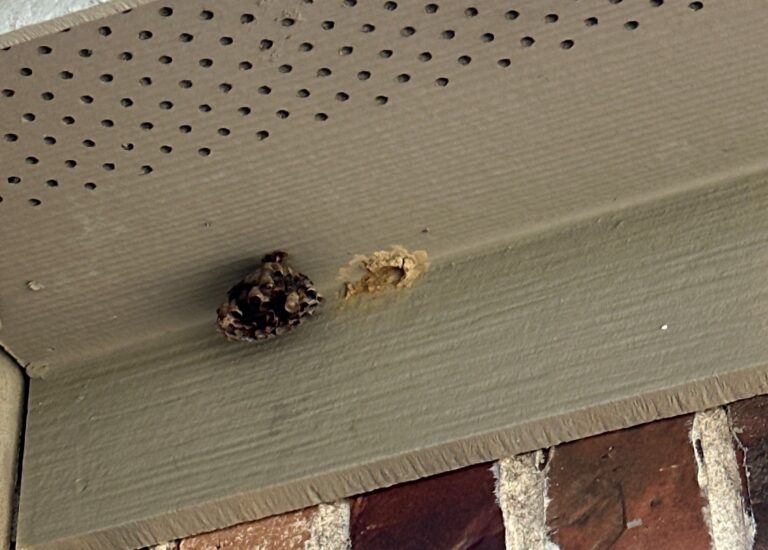
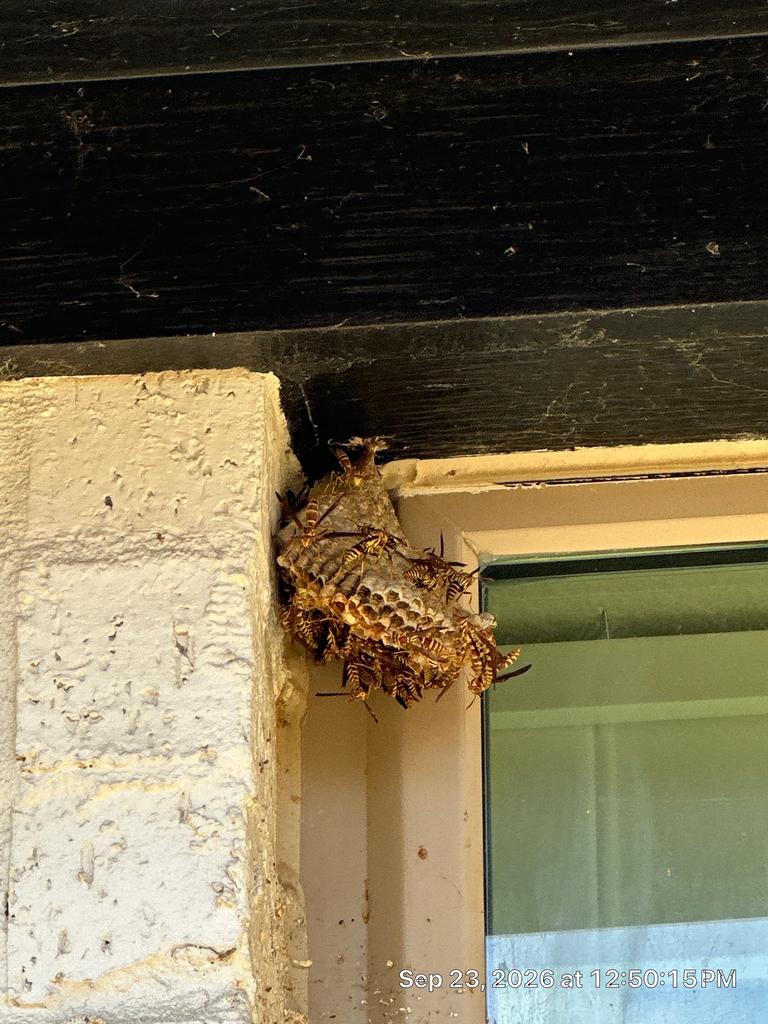
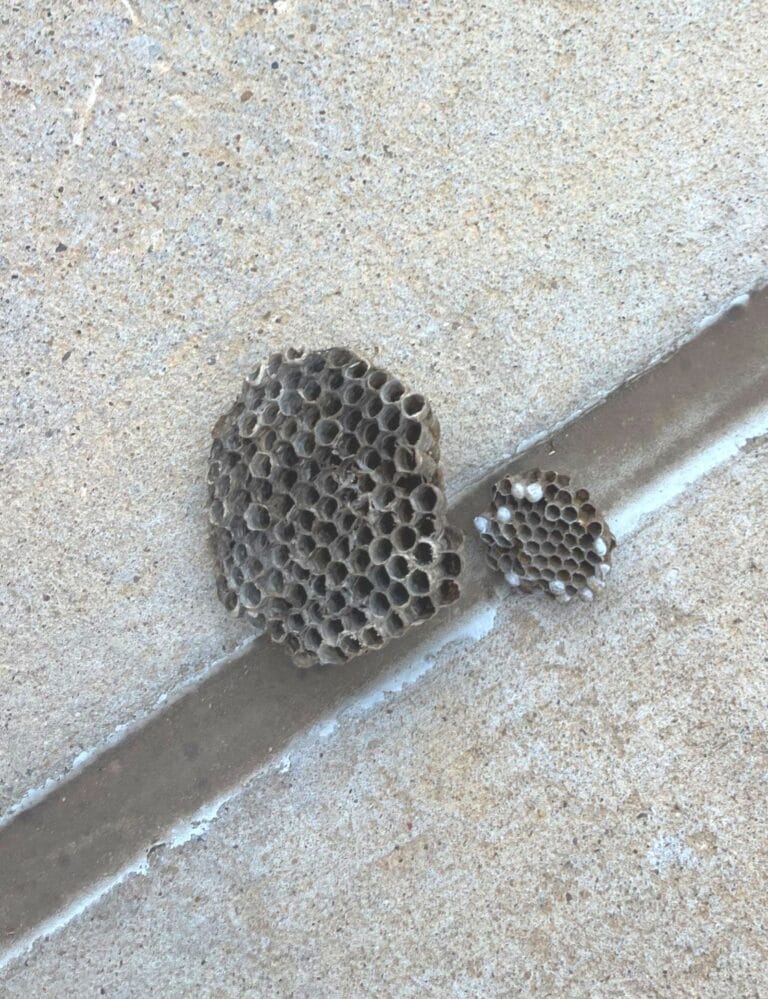
Same-day paper wasp and yellow jacket nest removal for Little Elm homes, including waterfront properties where dock structures and covered boat slips provide nesting sites each spring.

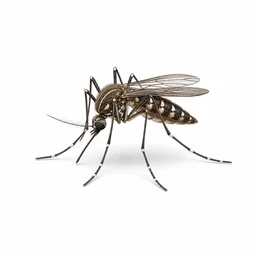
Mosquito Treatment in Little Elm, TX

Seasonal mosquito barrier treatment for Little Elm properties backing to Lake Lewisville, HOA ponds, and greenbelt corridors, reducing the mosquito population reaching your yard from the largest breeding source in Denton County.

Scorpion Control in Little Elm, TX

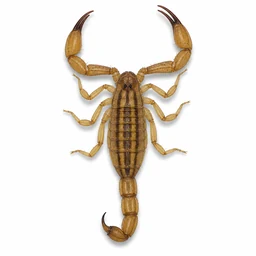
Striped bark scorpion treatment for Little Elm homes near active construction along US 380, where Prairie Oaks clearing displaces scorpions from former ranch land into adjacent finished neighborhoods.

Occasional Invader Treatment in Little Elm, TX

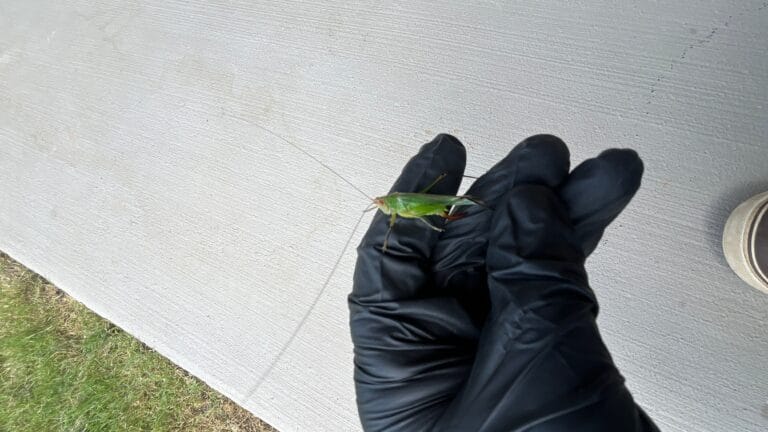
Cricket, centipede, and earwig treatment for Little Elm homes, with perimeter barrier applications targeting entry from the lake-adjacent green spaces and trail corridors that drive seasonal invader pressure.

Flea and Tick Control in Little Elm, TX

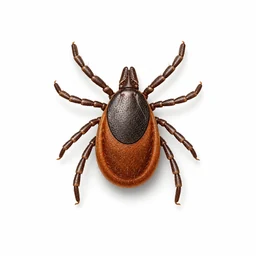
Yard and indoor flea and tick treatment for Little Elm properties, including homes near the Cottonwood Nature Trail and Lake Lewisville shoreline where wildlife traffic sustains tick populations throughout the warm season.

Pantry Pest Treatment in Little Elm, TX

Indian meal moth and pantry beetle treatment for Little Elm homes, with identification of the infested product and targeted treatment to prevent reinfestation from secondary sources throughout the kitchen and pantry area.

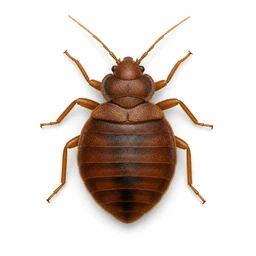
Bed Bug Treatment in Little Elm, TX

Discreet same-day bed bug inspection and treatment throughout Little Elm, with a follow-up visit timed to the egg hatch window for complete control of all life stages.

Commercial Pest Control in Little Elm, TX

Commercial pest control for Little Elm businesses in the Lakefront District and along the US 380 corridor, with scheduled service plans and same-day response for active infestations.

Pest Exclusion in Little Elm, TX

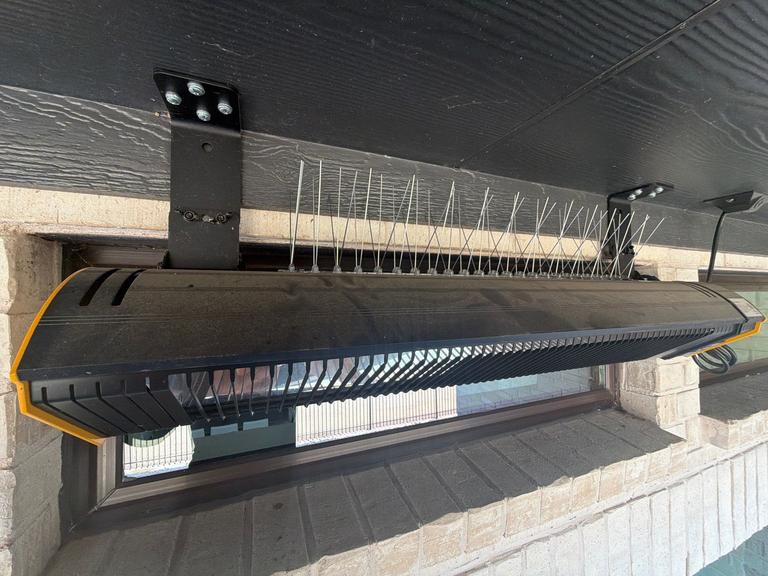
Full exterior exclusion for Little Elm homes, sealing roofline gaps, soffit intersections, and utility penetrations against roof rats entering from the lake shoreline tree canopy corridor that runs through every lakeside neighborhood in the city.

Our Service Area

Cities We Serve Across Collin County and Surrounding Areas

Same-day pest control in Little Elm and 13 surrounding cities:

Frequently Asked Questions

The most common reason in Little Elm is that the source of the re-infestation is external, not internal. Little Elm is growing at more than 5 percent annually, with multiple active construction phases clearing former farmland near most neighborhoods. When that clearing happens, established fire ant colonies that have been building in undisturbed agricultural soil for years are pushed off their territory and move to the nearest available finished turf, which is often your yard. Even a perfectly executed bait treatment on your property does not stop a displaced queen from an adjacent construction site from establishing a new mound within weeks. The second common reason is treatment timing. Fire ant bait requires ants to be actively foraging at the surface, which only happens when soil temperatures are between 65 and 85 degrees Fahrenheit. In North Texas that window runs from late March through May and from mid-September through November. Treating in summer or winter produces poor results regardless of product quality. Same-day fire ant control is available throughout Little Elm at (972) 866-4720.
Roof rats in Little Elm use the lake shoreline tree canopy as a travel network. The 66-mile Lake Lewisville shoreline is lined with mature trees that connect directly to the tree canopy in lakeside neighborhoods like Paloma Creek and Valencia on the Lake. Roof rats travel through that canopy, crossing fence lines and utility runs, until they reach a roofline. They need an opening no larger than a quarter to enter, and the most common entry points are gaps at soffit intersections, deteriorated attic ventilation screens, and any location where roofline materials have separated at a junction. The 88 percent post-2000 housing stock in Little Elm means most homes are now old enough that roofline gaps that were tight at construction have widened. Once inside, roof rats establish nesting areas in attic insulation and can move through the structure. A rolling or thumping sound in the ceiling at night, particularly between 10 pm and 2 am, is the most reliable early sign in Little Elm lakeside homes.
The Town of Little Elm operates a formal West Nile Virus monitoring program that tests mosquito populations near the lake and public areas throughout the season and alerts residents through the Mainsail newsletter when positive WNV results are detected. The program confirms that WNV-positive mosquito populations are present in Little Elm annually. What the program does not do is treat individual residential yards. The city monitors and tracks the public mosquito population. Your backyard, your porch, and your property line are not covered. For properties bordering the lake greenbelts, HOA ponds, or greenbelt corridors, the gap between the breeding source and your outdoor living area can be very short. Professional barrier treatment applied to resting vegetation around your property significantly reduces the mosquitoes reaching your yard even when the lake itself cannot be treated. Same-day mosquito control is available throughout Little Elm at (972) 866-4720.
What you are seeing are almost certainly chironomid midges, commonly called lake flies or blind mosquitoes. They are not mosquitoes and they do not bite, but they emerge from Lake Lewisville in dense swarms during two primary windows each year: April through May and again in September through October. During peak emergence, they can cover siding, windows, screens, and light fixtures in thick layers within hours of hatching. They breed in the organic sediment on the lake floor and are tied directly to Lake Lewisville conditions, which is why this is a Little Elm-specific nuisance not seen in most other cities in the service area. Standard mosquito barrier treatment does not control midges because their breeding source is in the lake sediment rather than surface standing water. The most practical approach for lakeside homes is minimizing exterior lighting during peak emergence windows, which is the primary attractor, and washing surfaces down regularly during the emergence period. Pest Me Off can advise on suppression options during an inspection.
Lake Lewisville is a 23,280-acre reservoir, making it the largest standing water source in Denton County and the primary mosquito breeding source for the entire Little Elm area. A single acre of standing water can support thousands of mosquito breeding cycles per season, and the lake provides that capacity continuously from May through October. Properties bordering the lake greenbelts in neighborhoods like Paloma Creek and Valencia on the Lake sit within a short distance of the main breeding source, which means the mosquito population reaching those yards is replenished continuously rather than building from a contained local source that treatment can suppress permanently. The community ponds inside Sunset Pointe and Union Park's Central Park add secondary breeding sources that HOAs manage but that individual homeowners cannot drain or treat independently. Barrier treatment applied to resting vegetation around your property creates a buffer zone that significantly reduces what reaches your yard, even when the lake itself cannot be controlled.
Yes, directly and predictably. Little Elm is one of the fastest-growing cities in Denton County, and large-scale land clearing operations displace fire ant colonies that have been building in undisturbed farmland or scrubland for years. Those colonies do not leave the area when equipment arrives. They fracture and move to the nearest available undisturbed turf, which is almost always a recently finished lot in an adjacent completed phase. Union Park has been clearing and developing phases since 2013 on former agricultural hayfields, and Prairie Oaks is currently adding roughly 300 more acres along US 380. Homes within half a mile of active clearing operations tend to see noticeably higher fire ant mound activity than properties further from the construction front, and that pressure continues as long as new phases are being cleared. Getting a perimeter bait treatment in place before the adjacent clearing phase reaches its final stages is the most effective way to intercept incoming colonies before they establish in your yard.
The primary driver in Little Elm is wildlife traffic through lake-adjacent greenbelts and trail corridors. Deer, raccoons, feral cats, and other wildlife that move through the lake shoreline buffer zones and greenbelt trails deposit flea eggs and ticks along the path edges throughout the warm season. Dogs that access those trail areas or backyards bordering the greenbelts are exposed to that wildlife-carried population from spring through fall. The Cottonwood Nature Trail is a 1.5-mile woodchip trail through riparian hardwood forest with direct lake access, and that trail habitat supports high tick density from March through November. Secondary drivers are wildlife moving through residential backyards at night, particularly in neighborhoods directly bordering the lake where deer and raccoon traffic through yards is common. Fleas dropped by wildlife in the yard can survive in shaded, moist areas under decks and in mulch beds for weeks, re-infesting pets that never leave the property. Treating both the pet and the yard simultaneously is the only approach that produces lasting results.
Fire ants are the most immediate concern. If your home is in a community that is still being built out, or adjacent to land that was recently cleared, fire ant mounds can appear in a freshly sodded yard within weeks of move-in as displaced colonies establish on the new turf. Mosquitoes are the second priority from May through October, especially for any property within a few hundred yards of the lake shoreline, a HOA pond, or a greenbelt. Roof rats are the third concern for any lakeside property with mature trees near the roofline. Norway rats are active near the Lakefront District marina and restaurant area and follow drainage corridors into surrounding neighborhoods. Getting a comprehensive exterior inspection done within the first few months of occupancy lets you identify and seal entry points before seasonal pressure peaks, which is significantly easier and less expensive than addressing an established interior population later in the season.
Yes. Pest Me Off offers same-day pest control throughout Little Elm, TX Monday through Friday for most services. Call before noon on a business day and we can typically have a technician to your home the same day. Our service area covers all of Little Elm including Paloma Creek, Union Park, Sunset Pointe, Valencia on the Lake, and every neighborhood and zip code throughout the city in the 75068 and 76227 zip code areas.
Do not wait. A single mouse or rat inside your home almost always means the entry point it used is still open, and the lake shoreline tree canopy that connects to your roofline means the exterior population is being continuously replenished. House mice breed rapidly, with a single pair capable of producing up to 60 offspring per year under indoor conditions. Roof rats are more persistent once established in an attic because they are territorial and actively defend nesting areas. Snap traps can reduce the interior population but will not stop additional animals from entering through the same roofline gap or foundation opening. The right approach is a full exterior inspection to identify every active entry point, exclusion work to seal those openings against the lake corridor travel route, and population control targeting both the interior and exterior perimeter. Same-day rodent inspection is available throughout Little Elm at (972) 866-4720.
Same-Day Service Available in Little Elm, TX

Little Elm's Fire Ants, Rodents,
and Mosquitoes Won't Wait

Same-day pest control is available throughout Little Elm, TX. Call or text now and we will have a technician to your home today.

Same-day appointments available No-contract options available Free re-service guarantee Best of McKinney 2025

What We're Finding in Little Elm, TX Right Now