
Bats in Collin County, TX | Identification and Control
The Mexican free-tailed bat (Tadarida brasiliensis) is a small, dark bat that spends the summer across Texas and moves into attics, walls and roof gaps to raise its young. Bats are protected in Texas, they eat huge numbers of moths, and their droppings pile up under the roost. They are also the animal that carries rabies most often in the state. The Texas Department of State Health Services confirmed rabies in 205 bats in Texas in 2024, half of all rabid animals found that year, so a bat should never be touched.
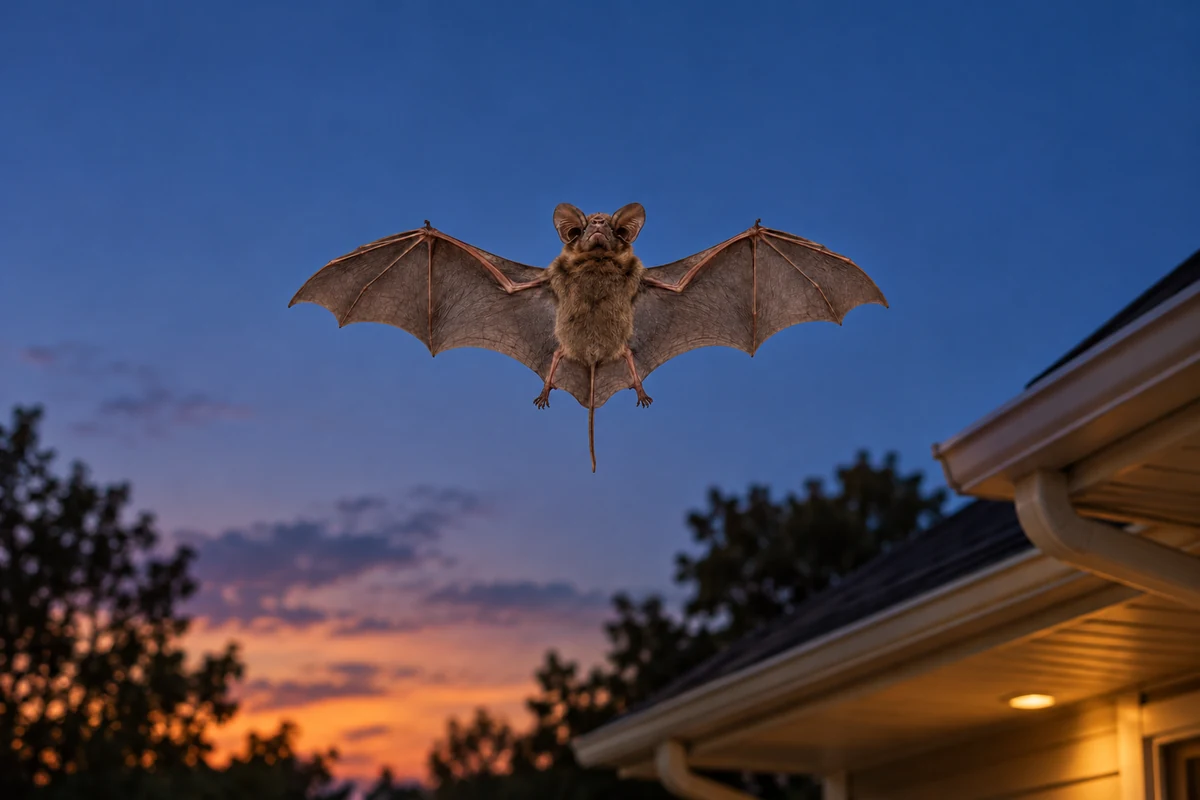
Squeaking at the roofline at dusk, or a bat inside the house? Our office sits where McKinney, Plano, Frisco and Allen meet, 5 to 10 minutes from most homes in those four cities. Call and we will find where the bats get in and plan the exclusion around the law.
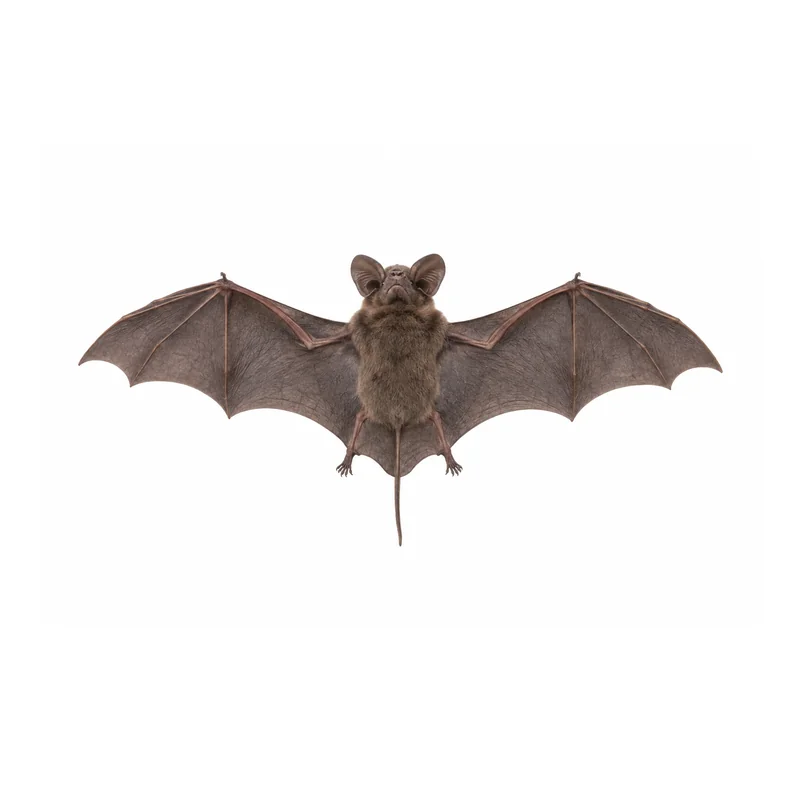
Mexican Free-Tailed Bat
The Mexican free-tailed bat is a small insect-eating bat that roosts by day in dark, dry spaces and flies out at dusk to feed. Texas Tech’s Mammals of Texas records it across the whole state in summer and names it the state’s official flying mammal.
Risk Assessment
Choose a row for the full detail- Color
- Reddish to black above, a little paler below, with blackish wings and ears
- Colony size
- Large colonies, about 2.5 million under one Austin bridge
- Diet
- Flying insects, nearly 90 percent of them moths
- Threat level
- High
- Nesting site
- Attics, walls, roof gaps and other dark, dry spaces in buildings
- Young to adult
- One young a year, flying within a month of birth
- Size
- About 3.7 inches long, 11 to 14 g (under half an ounce)
What Does a Mexican Free-Tailed Bat Look Like?
A small dark bat with broad ears and a tail that sticks out past the edge of its wings
A Mexican free-tailed bat has short, velvety fur that runs from reddish to black on the back, a slightly paler belly, and blackish wings and ears. Its ears are broad, its feet are large, and the back half of its tail sticks out free past the skin between its legs, which gives the bat its name. Texas Tech University’s species account in The Mammals of Texas gives a total length of 95 mm, about 3.7 inches, a forearm of 42 mm and a weight of only 11 to 14 grams.
Most people never see the bats. They find what the bats leave. The Internet Center for Wildlife Damage Management’s guide to bat signs describes droppings that are segmented and crumble into a powder full of shiny insect bits when crushed, unlike rodent droppings, which are harder and do not crumble. Where bats squeeze in and out, the edges pick up a smooth, slightly sticky stain, yellow brown to blackish brown, and a large colony gives off a musty smell that can be picked up from outside.
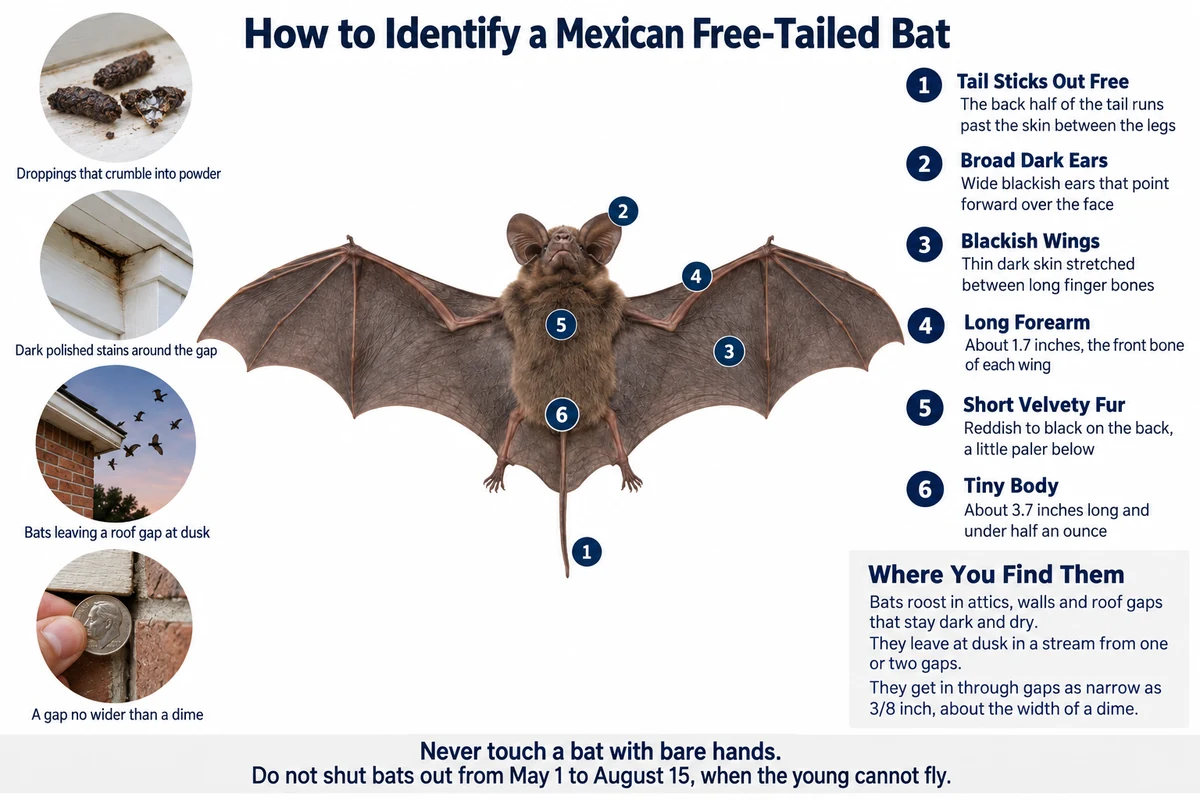
How to identify a Mexican free-tailed bat by its free tail, broad ears and dark wings, with the droppings and stains it leaves at the roofline
- Squeaking, scratching or crawling sounds in the attic or walls on hot afternoons before dusk
- Small dark shapes leaving a roof gap or vent in a stream at dusk
- Droppings piled under a gap or on the attic floor that crumble into powder
- A smooth, dark, slightly sticky stain around a gap at the roofline
- A sharp, musty smell near the eaves, strongest in damp weather
- A bat flying through a room or clinging to a curtain or wall indoors
Other Names for the Mexican Free-Tailed Bat
Texas Tech’s Mammals of Texas uses the name Brazilian free-tailed bat for the whole species, which ranges from the United States deep into South America. The bats that summer across most of Texas belong to its Mexican form, and Mexican free-tailed bat is the name most Texans know. Both names mean the same animal, and Texas made it the state’s official flying mammal. In Spanish any bat is a murciélago.
Bats are sometimes called flying mice, but they are not rodents and do not gnaw their way in. They use gaps that are already there, which is why the fix is closing those gaps rather than setting traps.
| Name | What it means |
|---|---|
| Brazilian free-tailed bat | The name for the whole species, used by Texas Tech. |
| Free-tailed bat | For the tail that sticks out past the wing skin. |
| Murciélago | The Spanish word for any bat. |
| State flying mammal | The official title Texas gave this bat. |
| Flying mouse | A nickname only. Bats are not rodents. |
How to Tell Bats from Birds, Squirrels or Roof Rats
Most people only hear what is in the roofline or find what it left behind. Bats, birds in a vent, squirrels and roof rats all live up high around Collin County homes, and each needs a different fix. The time of day, the sound and the droppings tell them apart.
| Species | Size and Color | Key Feature | Where Found |
|---|---|---|---|
|
Mexican Free-Tailed Bat
AKA: Brazilian Free-Tailed Bat
Tadarida brasiliensis
This species
|
About 3.7 inches long and under half an ounce. Reddish to black fur with blackish wings. | Squeaking and stirring before dusk, then a stream of bats leaving at dark. Droppings that crumble into powder. | Roofline gaps, gable vents, behind chimneys and inside walls and attics. |
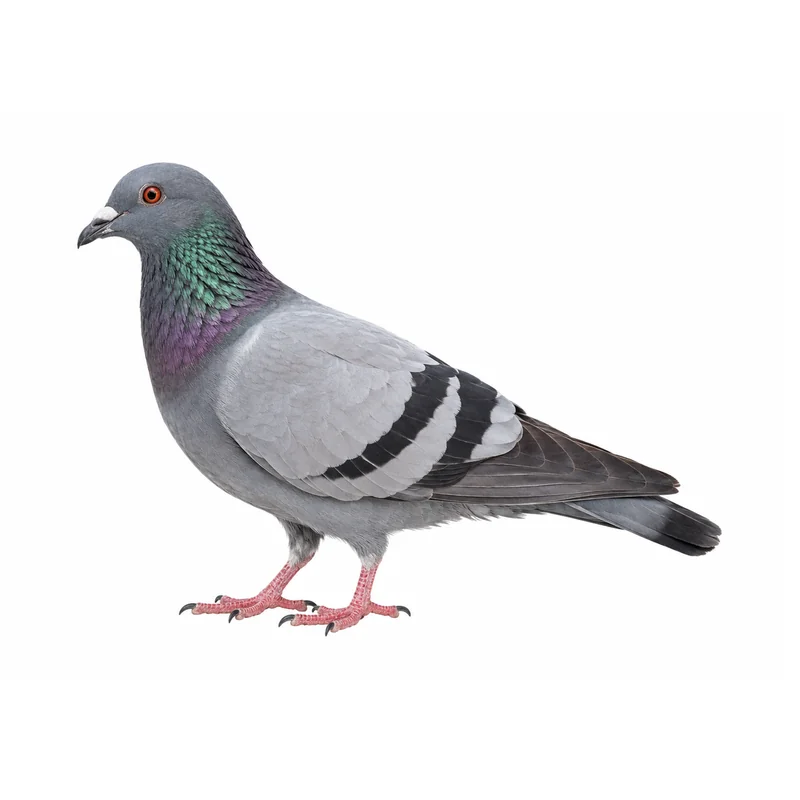
Nuisance Birds
AKA: Pigeons, Starlings, Sparrows
Columba livia and others
|
Larger than a bat and covered in feathers. Pigeons are gray with a shiny neck. | Active and noisy in daylight, quiet at night. Nests of twigs and grass, and droppings that do not crumble. | Dryer and bath vents, gutters, ledges and the tops of signs and porches. |
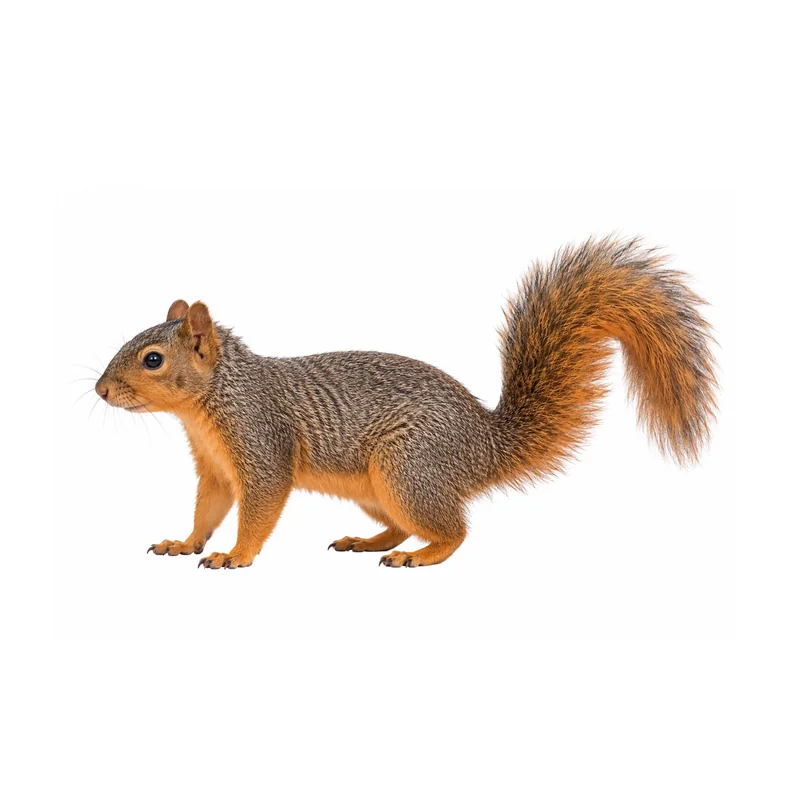
Squirrel
AKA: Fox Squirrel, Gray Squirrel
Sciurus species
|
About 1 to 2 pounds, far bigger than a bat. Gray or rusty orange with a long bushy tail. | Scratching and rolling sounds at dawn and through the day. Chews round holes the size of a golf ball to a baseball. | Attics reached from overhanging trees, gable vents and fascia gaps, and leaf nests in trees. |
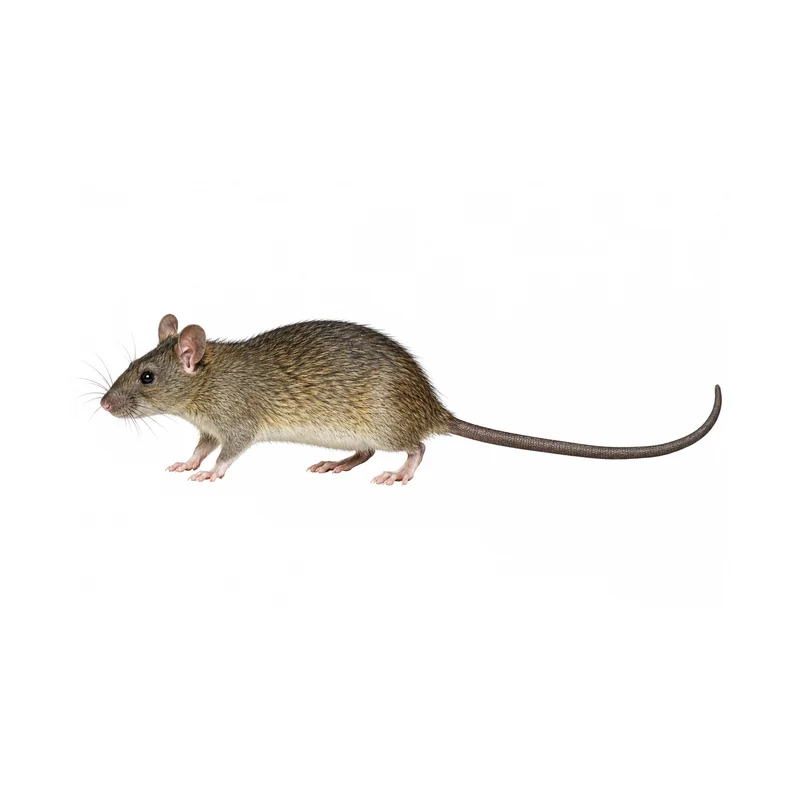
Roof Rat
AKA: Black Rat, Ship Rat
Rattus rattus
|
About 5 to 9 ounces. Brown mixed with black, with a long thin tail. | Scurrying all night. Hard droppings about half an inch long with pointed ends that do not crumble. | Attics, roof edges and trees, reached along branches, fences and utility lines. |
Bat vs Roof Rat Droppings in the Attic
The Mexican Free-Tailed Bat in Three Numbers
205
The Texas Department of State Health Services confirmed rabies in 205 bats in Texas in 2024, half of all rabid animals found in the state that year.
Texas Department of State Health Services, 2024
3/8 inch
The Internet Center for Wildlife Damage Management reports that small bats can get through a gap only 3/8 inch wide, about the width of a dime.
Internet Center for Wildlife Damage Management
1
Texas Tech University’s Mammals of Texas reports that each female Mexican free-tailed bat bears no more than 1 young a year.
Texas Tech University, The Mammals of Texas
Are Bats Dangerous?
Only if they are touched, and that is the rule to remember. A bat does not attack people, but one that is picked up, trapped or sick will bite, and its teeth are so small the bite can go unnoticed. The CDC’s page on preventing rabies from bats says bats are the most reported rabid animals in the United States and that most people in the country who die of rabies were exposed to a rabid bat. Never pick up a bat, alive or dead, with bare hands, and teach children to leave any bat on the ground alone.
Do Bats Carry Rabies in Texas?
Some do, more than any other animal in the state. In its 2024 report on rabies in animals, the Texas Department of State Health Services confirmed rabies in 205 bats out of 412 rabid animals statewide, and 12 percent of the bats sent in for testing were positive. Those are bats people were worried enough to send in, not a sample of healthy colonies, but Texas law lists bats among the high-risk animals for rabies all the same. Wash any bite or scratch with soap and water and get medical help right away.
What Should I Do If a Bat Is in My House?
Do not let it out and do not touch it. The CDC says to contact animal control or the health department so the bat can be caught safely and tested, and not to release it until you have talked with a public health expert, because a bite may have gone unnoticed. Keep children and pets out of the room and close the door. If no one can come, the CDC describes trapping a landed bat under a box or jar while wearing leather work gloves, sliding cardboard underneath and taping it shut, then calling the health department about testing.
Are Bat Droppings Dangerous?
They can be, mostly to the lungs. The CDC’s page on histoplasmosis explains that the fungus behind it spreads in bird and bat droppings mixed into soil, that people catch it by breathing in its spores, and that symptoms such as fever, cough, tiredness and chest pain usually appear 3 to 17 days later. It does not pass from person to person. Never sweep or vacuum a pile of bat droppings dry, because that is what puts the spores in the air.
When Bat Activity Needs Fast Action
A Bite or Scratch
Wash it at once with soap and water and get medical help the same day. Rabies treatment works only if it starts in time.
A Bat in a Room Where Someone Slept
A bite can go unnoticed by a sleeping adult or a young child. Do not release the bat. Call the health department about testing.
A Bat on the Ground
A bat that cannot fly may be sick. Keep pets and children away, never pick it up, and call local animal services.
Droppings Piling Up in the Attic
A growing pile means a colony is living there. Leave it undisturbed and get the bats out before anyone cleans it up.
Why You Have Bats in Your Attic
Bats move into a house because it gives them a dark, dry, warm place to hang by day. Texas Tech’s species account says Mexican free-tailed bats roost in caves, hollow trees, bridges and buildings, and that any building with small cracks or niches they can reach is at risk, Spanish style homes with clay tile roofs most of all. The wildlife damage reference on bat biology adds that pregnant females gather in nursery colonies in buildings and behind chimneys, and that the buildings bats choose usually get a lot of sun.
They get in through gaps that are already there, at a loose soffit, a gable vent without a screen, a gap where the roof meets the chimney or a crack at the fascia. Bats do not chew a way in. A bat that turns up in the living space has usually followed a gap from the attic or wall, down past an attic door, a light fixture or a chimney flue. It is not a sign of a dirty home, and a well kept house with one small gap at the roofline can hold a colony.
Where Bats Roost Around Collin County Homes
Bats roost in the parts of a house that stay dark and dry and that people rarely enter. The wildlife damage reference lists droppings building up on attic floors, in wall spaces and outside the house below the gaps bats use, and notes that bats are often heard on hot days before they leave at dusk. Gable ends, the space behind a chimney, the gap under loose flashing and the hollow behind shutters are all used.
Bats Across Collin County
Texas Tech records the Mexican free-tailed bat across the whole state in summer, so every city in Collin County has bats overhead from spring into fall. In McKinney, Plano, Frisco and Allen, the homes most at risk are the ones with a gap at the roofline, an unscreened vent or tile roofing with open ends.
Newer homes in Prosper, Celina and Anna are not immune. A single gap left at a roof joint, a vent or the chimney flashing is all a colony needs.
Mexican free-tailed bats arrive in spring, raise their young through the summer and leave as fall cools, though some stay all year in the eastern part of Texas. Texas Tech’s species account puts most births within about ten days in mid June, with the young flying within a month. The state’s 2024 rabies report found the most rabid bats in October, when bats are on the move.
Pattern from published Texas bat biology (The Mammals of Texas and the national wildlife damage reference) and the state’s 2024 rabies report.
Why Bats Keep Coming Back
How Pest Me Off Removes Bats
Bat removal is four steps, every job, and it follows Texas law. Texas Parks and Wildlife’s rules say bats may not be hunted, possessed, bought or sold, and that excluding bats from buildings is discouraged from May 1 to August 15, when young are unable to fly and may be trapped inside.
Inspect and Identify
A free inspection from the roofline to the attic. We confirm it is bats and not birds, squirrels or rats, find the gaps they use by the droppings and stains, and check whether young are in the roost.
Exclude the Humane Way
One-way exclusion devices on the gaps the bats use, so they fly out at dusk and cannot get back in. The work is timed to the law, never while flightless young are in the roost.
Clean Up and Assess
Once the bats are out, we clear droppings and nesting debris from the access area, then show you the stains, the soiled spots and the exact ways in.
Seal It Out for Good
With the colony gone, the exclusion devices come down and every gap is closed, down to the narrow ones a bat can use. This is the rodent proofing and exclusion work that keeps the next colony out.
& Other Companies
How to Get Rid of Bats Yourself
The safest DIY bat work is keeping them out before they settle and knowing what to do when one gets inside. The CDC’s bat page covers both, and none of it means touching a bat.
Why Some DIY Responses Fail for Bats
Most DIY bat trouble comes from sealing at the wrong time of year, reaching for a poison or repellent, and handling a bat that should never be touched.
Sealing the Gap in Summer
Closing the way out while young cannot fly traps them inside. The young die in the attic, and adults hunting for a way in often end up in the living space.
Poison and Mothballs
The wildlife damage reference says no poison is registered for bats, and that bats driven off by mothballs come back once the smell fades. Mothballs in an attic also leave fumes in the house.
Picking Up a Bat
A bat on the ground may be sick, and its bite can be too small to feel. Never handle one with bare hands, and never toss a found bat outside before the health department has been asked.
Common Bat Questions
What kind of bats live in Collin County attics, and what do they look like?
How do I know if I have bats in my attic?
What do bat droppings look like?
Are bat droppings dangerous?
Do bats carry rabies in Texas?
What should I do if I find a bat in my house?
Are bats protected in Texas?
When can bats be removed from an attic in Texas?
How small a gap can a bat get through?
Do bats leave in the winter?
How does bat removal work?
How do I get rid of bats?
Bats in the Attic? We Get Them Out the Legal Way and Keep Them Out.
We find every gap and check for young, let the colony out through one-way devices at the right time of year, clean up the access area, and seal the house so no bat gets back in. Wildlife removal across McKinney, Allen, Frisco, Plano, and all of Collin County.