
What Is Digging Up My Flower Bed at Night?
The likely diggers are armadillos, skunks and raccoons, all hunting grubs, worms and insects in the soil after dark. You find the bed torn up in the morning, with holes in the mulch and plants pulled out. Here is how to tell which one it was, and how a camera and a trap with boards catch it.
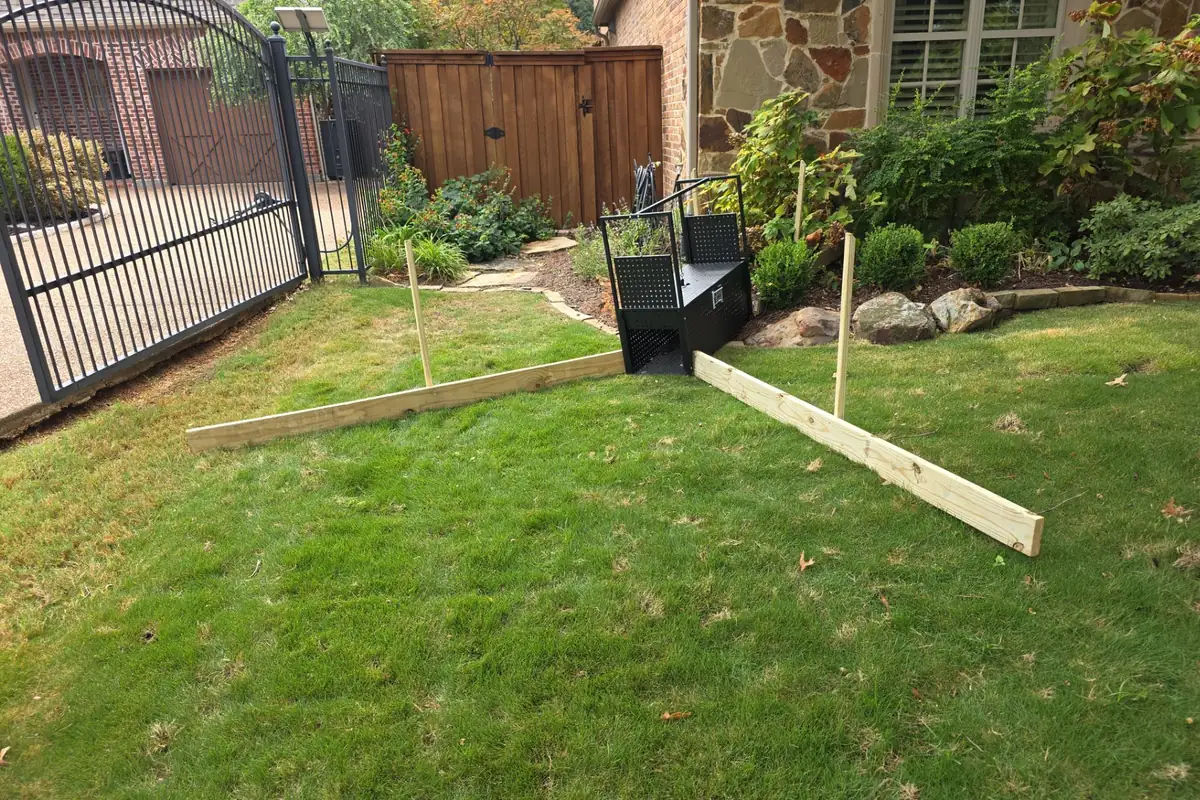

- Armadillos, skunks and raccoons all dig in yards for grubs, worms and insects.
- Armadillo holes run 1 to 3 inches deep and 3 to 5 inches wide.
- In summer, armadillos are active mainly from twilight into the early morning.
- Two long boards beside a cage trap can funnel an armadillo into it.
- Moving a trapped nuisance fur-bearing animal in Texas needs state authorization.





What animal is digging holes in my yard and flower beds?
The three to suspect are armadillos, skunks and raccoons, each digging for grubs, worms or insects in the soil. Texas A&M AgriLife Extension says armadillos dig in lawns, vegetable gardens and flower beds. The Internet Center for Wildlife Damage Management says skunks leave small cone-shaped holes and raccoons roll up freshly laid sod.
The Texas A&M AgriLife Extension armadillo guide says more than 90 percent of an armadillo’s diet is insects, along with earthworms and other invertebrates. The Internet Center for Wildlife Damage Management adds that armadillos uproot flowers and other ornamental plants, which is the torn-up bed you find in the morning.
If you suspect an opossum, the wildlife damage center’s opossum page lists garden produce, fruit trees and compost piles as opossum damage to a landscape, and says opossum signs are often confused with a skunk’s or a raccoon’s. The same center says domestic dogs dig in lawns too. If what you see is shallow runways and small round holes across the grass rather than torn-up beds, read our guide to voles and moles in a Collin County lawn.
| Animal | What the digging looks like | When it digs |
|---|---|---|
| Armadillo | Holes 1 to 3 inches deep and 3 to 5 inches wide, flowers uprooted | Twilight to early morning in summer |
| Skunk | Small 3 to 4 inch cone-shaped holes, or patches of turned-up soil | Mostly at night |
| Raccoon | Freshly laid sod rolled back, and it may come back on several nights in a row | Most often mid to late summer and in dry weather |
From the Internet Center for Wildlife Damage Management and Texas A&M AgriLife Extension. The holes can look alike, which is why we sometimes put a camera on the bed, as on the job in the photos below.
What is digging up my flower beds at night?
Often an armadillo or a skunk, because both feed after dark. Texas A&M AgriLife Extension says armadillos are active mainly from twilight through the early morning in summer, and that skunks are primarily nocturnal, hunting at night for grubs and insects. The Internet Center for Wildlife Damage Management says raccoons may return to roll up sod on successive nights.
The season changes the picture. The AgriLife armadillo guide says that in winter armadillos may be active only during the day, so fresh digging found in the daytime in winter fits an armadillo better than a skunk. The wildlife damage center’s raccoon page says rolling up sod is common in mid to late summer, when young raccoons are learning to forage, and in dry weather, when other food is harder to find.
Skunk digging often fades on its own. The wildlife damage center’s skunk page says skunks work through turf section by section, and the damage generally stops after 3 weeks, once the food runs out. Digging that goes on longer than that is worth a closer look. Our pages on armadillos in Texas yards and skunks under the house cover each animal in more depth.
Why use a trail camera to find out what is digging?
Because the holes alone often do not name the animal. The Internet Center for Wildlife Damage Management says armadillo damage to turf can be difficult to tell from raccoon damage, and that opossum signs are often confused with a skunk’s or a raccoon’s. A camera watching the bed overnight shows which animal is visiting it.
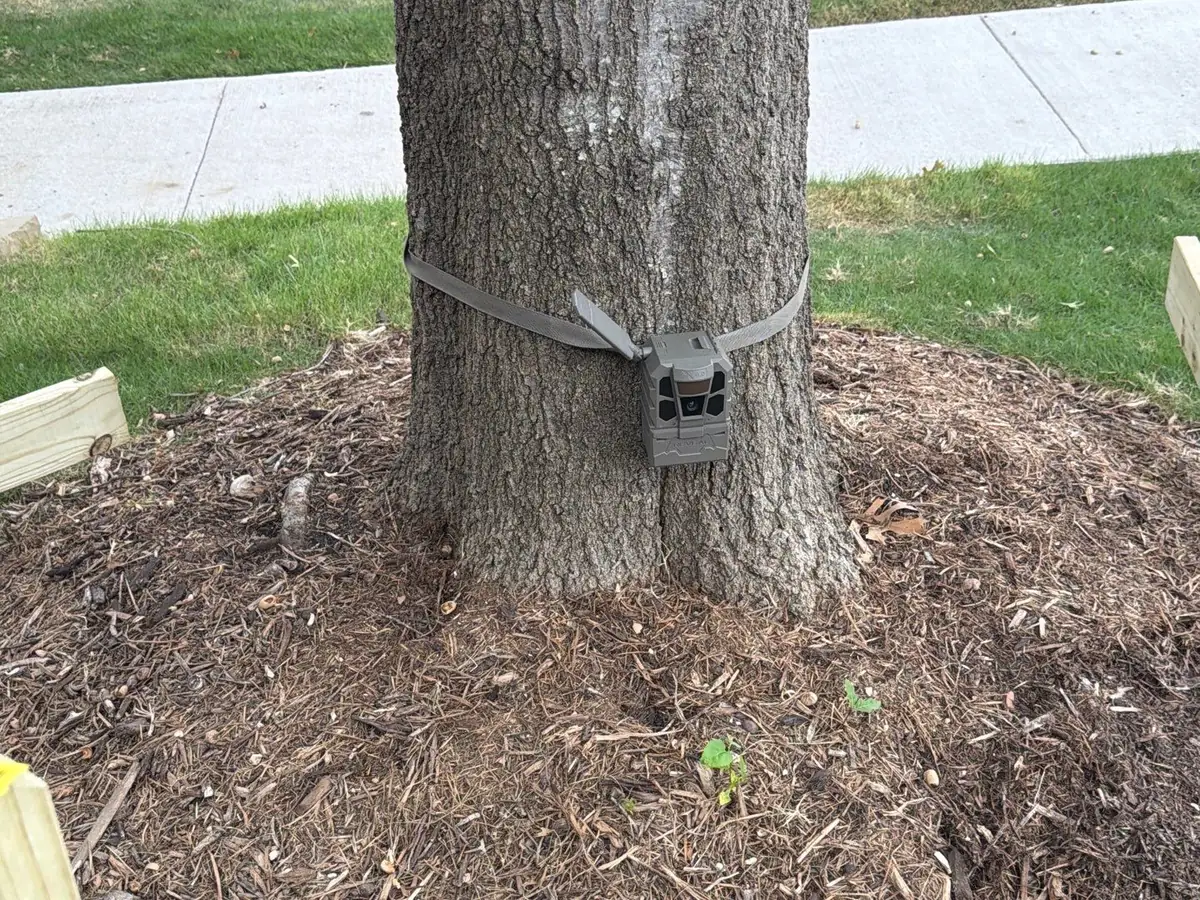
Knowing the animal matters because the trap and how it is set change with it. The wildlife damage center’s armadillo page lists cage traps 10 by 12 inches across and 32 or 48 inches long, while its skunk page says a cage trap for a skunk should be covered along at least half its length. The bait question changes too: the AgriLife armadillo guide says bait is not usually needed when boards are used, while its skunk guide names fruit as a bait less likely to catch a small dog or cat.
How do you trap an animal that is digging in your yard?
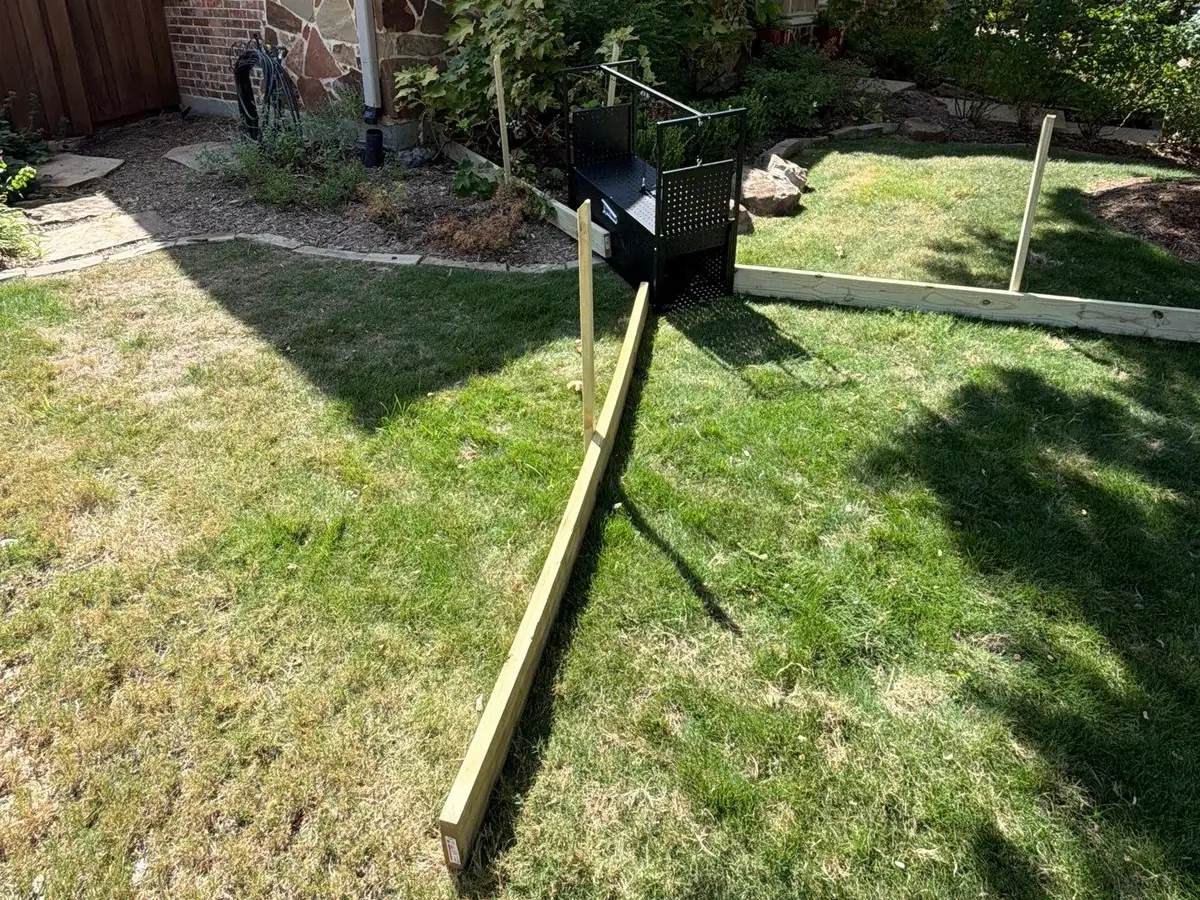
With a cage trap set where the animal travels, and boards to steer it in. Texas A&M AgriLife Extension says to set an armadillo trap in trails near fences or beside buildings, or at a burrow entrance, and that two long boards on either side of the trap can funnel the animal into it.
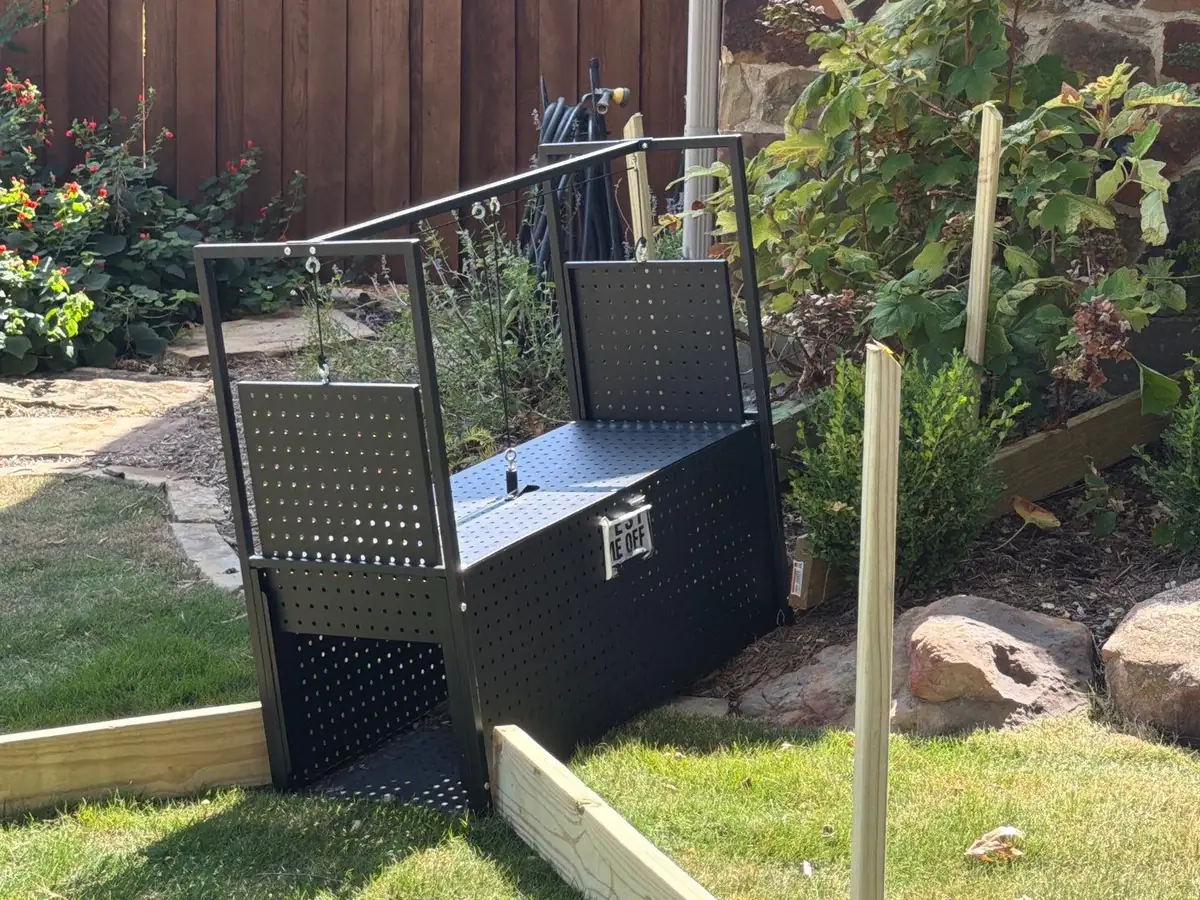
The guide adds that a trap set right next to a building needs only one board. The wildlife damage center calls these boards wings and describes them as 1 by 4 inch or 1 by 6 inch boards 6 feet long. It also says to use only traps that are professionally manufactured, because an armadillo can destroy a poorly built one.

Skunks call for more care. The Texas A&M AgriLife Extension skunk guide says that in towns, live trapping with a baited box or cage trap is the most desirable method, and that skunks rarely spray inside a trap carefully covered with burlap. It also says skunks are a primary source of rabies in Texas, so contact with one should be avoided.
Is it legal to trap and relocate a wild animal in Texas?
Trapping is allowed, but moving the animal is regulated. Texas Parks and Wildlife says landowners or their agents may take nuisance fur-bearing animals on their own land without a hunting or trapping license, and may capture and relocate them if they have authorization from the department and from the owner of the property where the release will occur.
The Texas Parks and Wildlife rule on nuisance fur-bearing animals also says that anyone authorized to relocate them must send the department a monthly report, and that under the rabies quarantine it is a Class C misdemeanor to transport live foxes, coyotes or raccoons from, to or within Texas. The AgriLife skunk guide lists skunks, raccoons and opossums among the furbearers in Texas.
Armadillos are covered separately. The AgriLife armadillo guide says it is legal to trap armadillos at any time, and that anyone who wants to relocate one should notify local Texas Parks and Wildlife representatives. The Texas Parks and Wildlife page is the state rule itself, and the two AgriLife guides are extension publications. Read them, or ask Texas Parks and Wildlife, before you trap anything yourself.
How do you keep animals from digging in flower beds?
Take away the cover they like and block the way in. Texas A&M AgriLife Extension says removing brush, rock piles and tall grass can discourage armadillos from settling in, and that a fence slanted outward at a 40-degree angle, with at least 18 inches buried, usually deters them, though it may cost too much for a large area.
Treating the soil is a slower route. The AgriLife guide says an insecticide can make an area less attractive by removing the insects armadillos dig for, but that they may dig more before they leave. The wildlife damage center says no repellents are registered for armadillos, so a spray bottle of something from the store is not the answer.
For skunks, the wildlife damage center says to clear away garbage, debris and lumber piles, which give them cover and hunting ground. If a skunk or an armadillo has started a burrow along the foundation, that is a different job from a dug-up bed, and our wildlife removal page explains how we handle it.
What a wildlife trapping visit from Pest Me Off involves
When you call us about something digging up a bed in McKinney, Plano, Frisco or Allen, we start by inspecting and identifying: the holes and the beds, the fence lines and the foundation, and where the animal could be coming from. When the signs do not settle which animal it is, we can put up a trail camera, as on the September job in the photos above.
Then we set a live trap sized to the animal, in the path it uses, with boards to funnel it in where that helps. Once the animal is trapped and removed, we close any burrow it dug and talk through what is drawing animals to your yard, so you know what to change. Our wildlife removal and trapping page explains the service, and our pest library has pages on the armadillo, the skunk and the raccoon.
Something digging up the flower bed? Same-day pest control in McKinney and the surrounding cities when you call before noon.
We inspect, find out which animal it is, and set the right trap. Free inspection and estimate.
