
Do Mosquito Dunks Work? Standing Water in Collin County Yards
After a week of spring storms, the rain barrel, the pond and the low corner of the yard all hold water you cannot simply dump. This article covers how mosquito dunks work, whether they work, how to use one, and whether they are safe around pets, fish, frogs and bees.
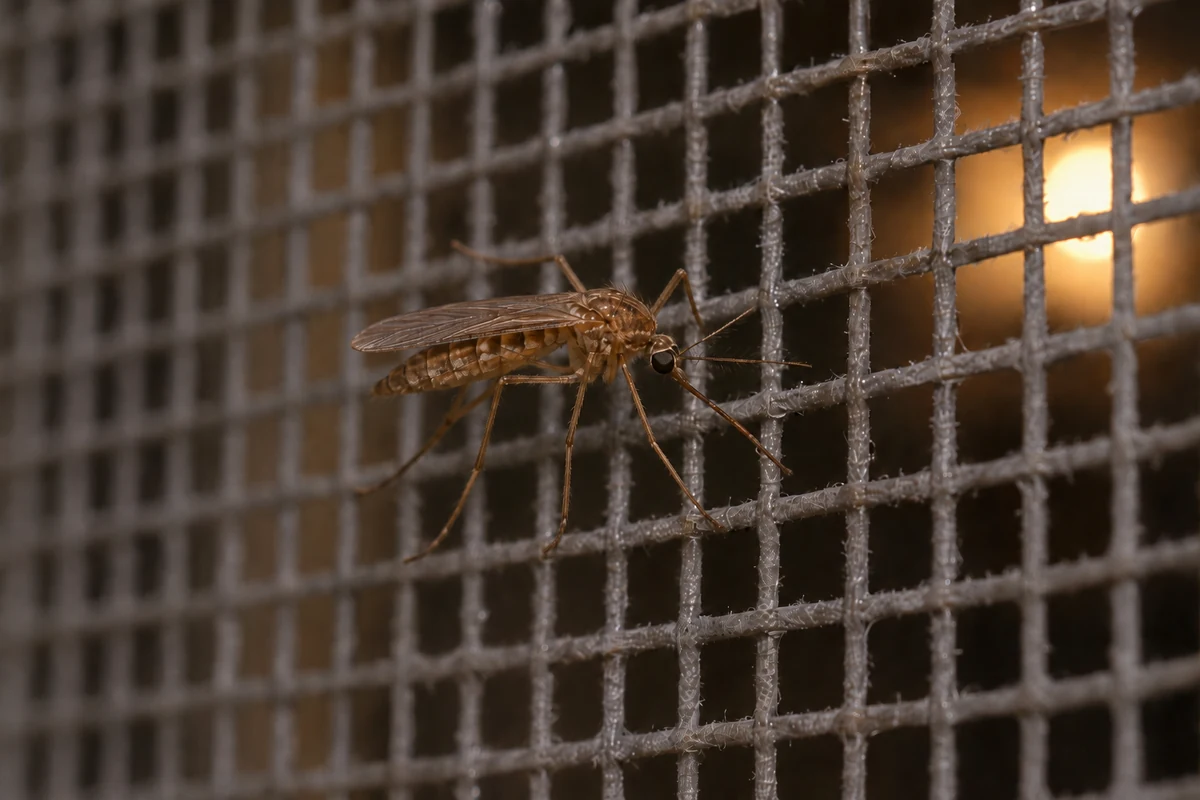

- A dunk is a floating ring of Bti, a bacterium found naturally in soil.
- It kills mosquito larvae in the water, not the adults flying around you.
- One dunk treats up to 100 square feet of water for 30 days or more, the maker says.
- Bti has no toxicity to people, the Environmental Protection Agency says.
- Empty what you can first. Dunks are for water you cannot empty.





How do mosquito dunks work?
A mosquito dunk is a small, floating ring that slowly releases Bti, a bacterium found naturally in soil. The Environmental Protection Agency says Bti makes toxins that affect only the larvae of mosquitoes, black flies and fungus gnats. The maker says the larvae eat it in the water and die before they can grow into biting adults.
Bti is short for Bacillus thuringiensis subspecies israelensis. The Environmental Protection Agency’s page on Bti says its spores produce the toxins, and that the agency has registered five strains of it in 48 products for homes, businesses and farms.
A dunk works on one stage of the mosquito’s life. The agency’s mosquito life cycle page says the egg, the larva, called a wriggler, and the pupa, called a tumbler, all live in water, and the adult flies off. The tumbler no longer feeds, so the wrigglers that are still eating are the ones Bti reaches. The whole cycle typically takes about two weeks, from 4 days to a month depending on conditions, and the eggs can survive dry spells for a few months.
Not every product with a similar name works. The University of Florida says to buy one with the strain israelensis, Bti, and not plain Bacillus thuringiensis.
Do mosquito dunks work?
Yes, on the water they treat. The Environmental Protection Agency says Bti has been shown to reduce mosquito larval numbers, and there is no documented resistance to it as a larvicide. A dunk does not kill adult mosquitoes already flying, so it works alongside emptying containers, not in place of it.
The Texas Department of State Health Services recommends dunks for water that cannot be emptied or covered. That is the right job for them: a rain barrel, an ornamental pond, an unused pool or a low spot that holds water for days.
A dunk will not clear a yard on its own. The adults already flying keep biting until they die off, and they do not stay where they hatched. Texas A&M says the Asian tiger mosquito usually flies less than a block or two from where it bred, and Ohio State says the adults often travel less than 200 meters, about 650 feet, so mosquitoes from the yards around you can still reach the patio. Our article on mosquito season in Texas covers when the breeding starts here and how often to empty containers.
How do you use mosquito dunks?
Float one in standing water you cannot empty, such as a birdbath, rain barrel or pond. The maker, Summit Chemical, says one dunk treats up to 100 square feet of water surface, regardless of depth, for 30 days or more, and can be broken into pieces for small water such as a birdbath.
The maker’s directions for Mosquito Dunks say to replace a dunk when it has completely disappeared, and list birdbaths, unused swimming pools, flower pots, rain barrels, roof gutters, tree holes, ponds, water gardens and ditches. They also say an unused, dry dunk keeps its strength indefinitely, so a pack bought this spring is still good next year if it stays dry. The same Bti also comes as granules, the University of Florida says, which this maker sells as Mosquito Bits.
Read the label before it goes in water anyone drinks. The Environmental Protection Agency says some Bti products are allowed in certain drinking water, such as cisterns, and others are not.
Are mosquito dunks safe for pets, birds and fish?
Used by the label, yes. The University of Florida says Bti is not harmful to fish, waterfowl, pets or people when used according to label directions. The Environmental Protection Agency says it has no toxicity to people and minimal toxicity to honey bees, and the maker labels dunks for troughs and birdbaths animals drink from.
The Environmental Protection Agency says Bti is approved for organic farming, needs no special precautions for homeowner products such as dunks, though some commercial Bti products call for a dust mask, and does not affect other insects, honey bees included. The maker goes further and calls its dunks harmless to plants, fish, frogs, turtles and beneficial insects.
Do mosquito dunks kill fungus gnats?
The bacterium in them does, but a dunk is made for standing water. The Environmental Protection Agency lists fungus gnats among the three insects whose larvae Bti affects. For houseplants and potting soil, the same maker sells the same Bti as Mosquito Bits and says they kill fungus gnat larvae, so use those and follow that label.
If small flies are hovering over the sink drain rather than the plant pots, they may be drain flies instead. Our article on telling gnats, fruit flies and drain flies apart covers the difference.
Standing water around the house, and what to do with it
These come from the Texas Department of State Health Services, the University of Florida, Texas A&M AgriLife and the maker’s label.
| Water | Do this first | If it has to stay |
|---|---|---|
| Birdbath | Change the water every two or three days | Part of a dunk, broken off |
| Pet bowl outside | Refresh it every day | Not needed if it is changed daily |
| Rain barrel | Cover it, or screen the top | A dunk, or part of one |
| Ornamental pond | A pump to keep the water moving | A dunk for each 100 square feet |
| Swimming pool | Keep it chlorinated and free of debris | A dunk if the pool sits unused |
| Low spot or ditch | Fill a low spot with gravel or sand | A dunk in a ditch that holds water |
Emptying or moving the water always comes first. A dunk is for the water that has to stay.
How to use mosquito dunks in a Collin County yard
- Empty what you can. Turn over or cover anything that catches water, as Texas A&M AgriLife advises, and fill low spots with gravel or sand.
- List the water that has to stay. Rain barrels, ponds, water gardens, an unused pool and a ditch that holds water after storms are the usual ones.
- Size the dose. The maker says one dunk covers up to 100 square feet of water surface, so break off a piece for a birdbath and use more than one for a big pond.
- Check it every month. The maker says a dunk lasts 30 days or more, and to replace it once it has completely disappeared.
- Buy the right bacterium. The University of Florida says to look for Bti, strain israelensis, on the label, and the Environmental Protection Agency says to follow the label for any Bti product.
How Pest Me Off handles standing water
On every mosquito control visit, Pest Me Off walks the yard to find, drain and flag every breeding site, from the clogged gutter to the forgotten dog bowl, because the standing water hatches the next wave and no spray can fix it. For yards near ponds, creeks and greenbelts, boxed in by water we cannot reach, we can add In2Care stations as an add-on, small water stations that draw egg-laying mosquitoes, dose them and send them off to the breeding spots beyond your fence line. In2Care is available only through licensed professionals.
Our Skeeter Beater program comes back every 3 weeks, April through October, with a breeding-site inspection on every visit. The inspection and estimate are free, with same-day service when you call before noon, in McKinney, Plano, Frisco, Allen and across Collin County.
Water you cannot drain feeding the mosquitoes? Mosquito control across Collin County.
We find and drain the breeding water, treat the shade where adults rest and can add stations for the water beyond your fence. Free inspection and estimate.
