Chemical vs. Natural Pest Control in Collin County
The question of chemical vs. natural pest control comes up constantly, and the honest answer is that both have a role, but which one fits depends on what pest you have, how established it is, and what outcome you actually need. “Natural is always safer” and “chemicals always work better” are both oversimplifications that lead homeowners to the wrong decision for their situation.

- Natural methods work best before a pest population has established, removing attractants and blocking entry points.
- Professional chemical treatment reaches where natural products cannot, inside wall voids, appliance motors, and underground nests.
- Diatomaceous earth only damages insects that walk through it in dry conditions. It loses its effect in humid air, outdoors, or against flying insects.
- Store-bought sprays often scatter roaches away from bait stations instead of removing the colony, which makes the problem harder to resolve.
- Professional products such as gel bait, growth regulators, and non-repellent residuals are chosen and placed for the specific pest, not applied at random.





Where Natural Methods Work
Natural pest control methods are most effective at the prevention stage, before a pest population has established inside or directly against your home. These approaches have genuine value, and none of them are a waste of your time:
- Reducing attractants. Removing standing water, keeping mulch away from the foundation, storing firewood off the ground and away from the structure, and eliminating food sources outdoors reduces the draw for mosquitoes, rodents, roaches, and ants. This is not glamorous, but it is the most reliable long-term pest control available.
- Diatomaceous earth. Food-grade DE applied to specific dry locations, along baseboards, in attic spaces, in crawlspaces, physically damages the hard outer shell of insects that walk through it. Effective for a narrow set of crawling insects in dry conditions. The National Pesticide Information Center, Diatomaceous Earth Fact Sheet says it kills by drying insects out and remains effective as long as it is kept dry and undisturbed. Not effective in humid environments, outdoors, or for flying insects.
- Physical exclusion. Door sweeps, screens, and weatherstripping stop insects from entering. This is not a “natural” treatment exactly, but it is non-chemical and highly effective for preventing entry. It does nothing for pests already inside.
- Cedar and essential oils. These have limited repellent effect on specific insects in controlled conditions. They do not eliminate established populations, do not penetrate wall voids or nesting areas, and require constant reapplication. Useful as a supplement to real treatment, not as a replacement.
Chemical and Natural Methods Compared
An organic against chemical pest control comparison weighs the same four things: effectiveness, safety, environmental impact and cost. Two more questions sit under those, and both deserve a straight answer: is natural pest control effective or just marketing, and do natural bug killers work as well as the products on a hardware store shelf. The honest reply to the first is that it depends entirely on the stage of the problem, and to the second that they often do not, which is a real disadvantage of natural methods rather than a point against the reader for asking. Placed side by side on those four, the real difference is less about which one works better and more about which stage of a pest problem each one is built for.
| Attribute | Natural Methods | Professional Chemical Treatment |
|---|---|---|
| Best for | Prevention and early, light pest pressure | Established or hidden infestations |
| How it reaches the pest | Removes attractants and blocks entry points | Applied directly where the colony actually lives |
| Wall voids & underground nests | Does not reach them | Reaches them with targeted product placement |
| Speed | Gradual, works best before pests move in | Resolves an established population directly |
| Ongoing cost | Low, repeated habits and upkeep | Higher upfront, often lower long-term if it works the first time |
Every habit on the natural side keeps working after professional treatment resolves an infestation. The two are not really competing with each other. One prevents, the other resolves.
Are Natural Pest Control Products as Effective as Chemical Products?
Natural products work on a small problem, not an established one. One or two ants near a door, or moisture pests around one damp mulch bed, can be solved naturally. A German cockroach colony inside a wall void or a fire ant mound 18 inches underground cannot, because natural products do not reach where those insects live.
Chemical treatment is not automatically the stronger choice in every situation. It is the method that reaches populations natural products cannot touch.
Where Natural Methods Fall Short
The failure point for natural methods is almost always the same: they do not reach where the pest population is living and breeding. A German cockroach colony established behind a refrigerator motor or inside a wall void is not affected by essential oils wiped on the countertop. A fire ant colony 18 inches underground is not disrupted by vinegar poured at the mound entrance.
In Collin County, the pests that drive homeowners to call a professional are not light-pressure situations that prevention alone could address. They are established populations:
- German cockroach infestations breeding inside appliances and wall voids
- Fire ant colonies expanding through the yard and reaching the foundation
- Subterranean termite colonies tunneling up from the soil into structural wood
- Bed bug infestations in mattress seams, headboards, and wall outlets
- Late summer cricket migrations with thousands staging against the structure
None of these respond meaningfully to natural methods once established. Treating them with natural alternatives delays real treatment, gives the population more time to grow, and increases the eventual cost and difficulty of resolving it, so call a professional once one is established.
Professional chemical treatment and DIY spraying are not the same thing. Consumer pesticide sprays from hardware stores are broad-spectrum surface applications that repel insects from treated areas rather than reaching the colony. For German roaches, surface sprays drive roaches away from bait, which makes the situation worse. Professional treatment uses targeted products, gel bait, insect growth regulators, non-repellent residuals, applied at the right concentration in the specific locations where the pest population lives. Product choice and placement matter more than whether a treatment is chemical or not.
What Are the Advantages of Chemical Pest Control?
Professional chemical treatment reaches places natural products physically cannot: wall voids, appliance motors and underground nests. That reach is why it removes a colony rather than pushing it around a house, and it also works faster against an established population.
Because a licensed technician selects the product and the concentration for the specific pest, it is applied with more precision than a generic hardware-store spray. That precision is the actual advantage: not “stronger chemicals,” but the right product placed exactly where the pest lives.
How to Think About the Choice in Practice
The practical framework for homeowners in McKinney, Allen, and Frisco:
- Prevention stage. Natural and behavioral methods are effective and should be the first line. Reduce attractants, maintain physical barriers, manage landscaping near the foundation.
- Early pressure, insects in one location. Targeted natural methods may resolve minor issues. One or two ants near a door may respond to removing the food source they are following.
- Established infestation. Professional treatment with the right chemistry for the specific pest. There is no natural method that reliably eliminates an established German cockroach colony, a fire ant mound, or a termite tunnel system.
- After professional treatment. Prevention habits extend the results. Treatment resolves the population. Habits keep the next one from starting.
The goal is not to use chemical treatment as a permanent answer to an ongoing attractant problem. But when a population is established and causing real damage or a health risk, the question of natural vs. chemical matters less than the question of what treatment actually works for this specific pest in this specific situation. There is no wrong answer for trying the natural route first. The only mistake is staying with it once it has stopped working.
Pest-Specific Notes for Collin County
Termites: no natural method eliminates subterranean termites. The colony is underground, the tunnels are in the soil and wood, and the population numbers in the millions. Liquid termiticide or bait station systems are the only reliable treatments. Delay is expensive, since termites cause structural damage continuously.
Bed bugs: professional chemical treatment is the only reliable resolution. Natural methods, including essential oils, diatomaceous earth, and handheld steam devices, have inconsistent results against bed bug eggs and insects hiding in wall outlets and mattress seams. A missed egg sac restarts the infestation.
Fire ants: granular bait applied across the yard is effective. Individual mound treatments with liquid drench work for isolated colonies. Natural alternatives, including boiling water and orange oil, have inconsistent results and do not eliminate the queen in a colony 18 inches underground.
If you are uncertain which approach is right for your situation, call us for a professional inspection. It identifies what you actually have and what treatment will resolve it, without committing you to a service you do not need.
Not sure what you have or what works? Same-day inspection in McKinney and the surrounding cities when you call before noon.
We identify the pest, explain what treatment will actually resolve it, and give you a straight answer.
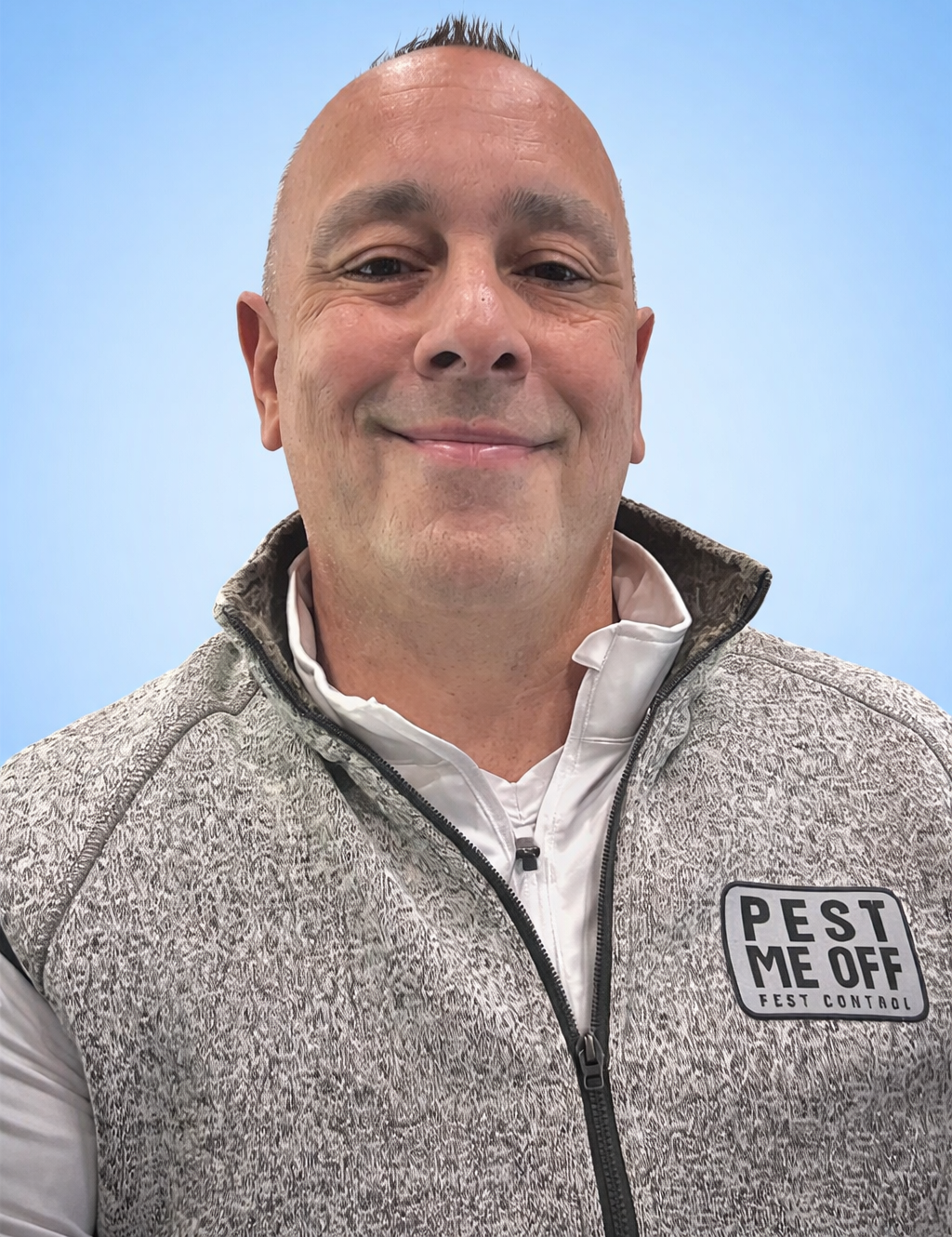
Ryan has spent more than 16 years in pest control and wildlife management across McKinney and Collin County, from inspecting homes and treating infestations to sealing the entry points pests use to get in. He built Pest Me Off on that field experience, and every technician on the team is trained against it.
More about the Pest Me Off team