
Flea Bites on Humans, and Why You Can Have Fleas With No Pets
Flea bites on humans are small red spots, each with a red halo around it, and they often land on the lower legs and feet. You can have fleas with no pets because flea cocoons wait in carpet long after the last pet has gone, and because opossums, raccoons, squirrels and stray cats carry fleas in under the house and across the yard. Pest Me Off’s technicians work through this puzzle in homes across Collin County, and the first job is always finding where the fleas came from.
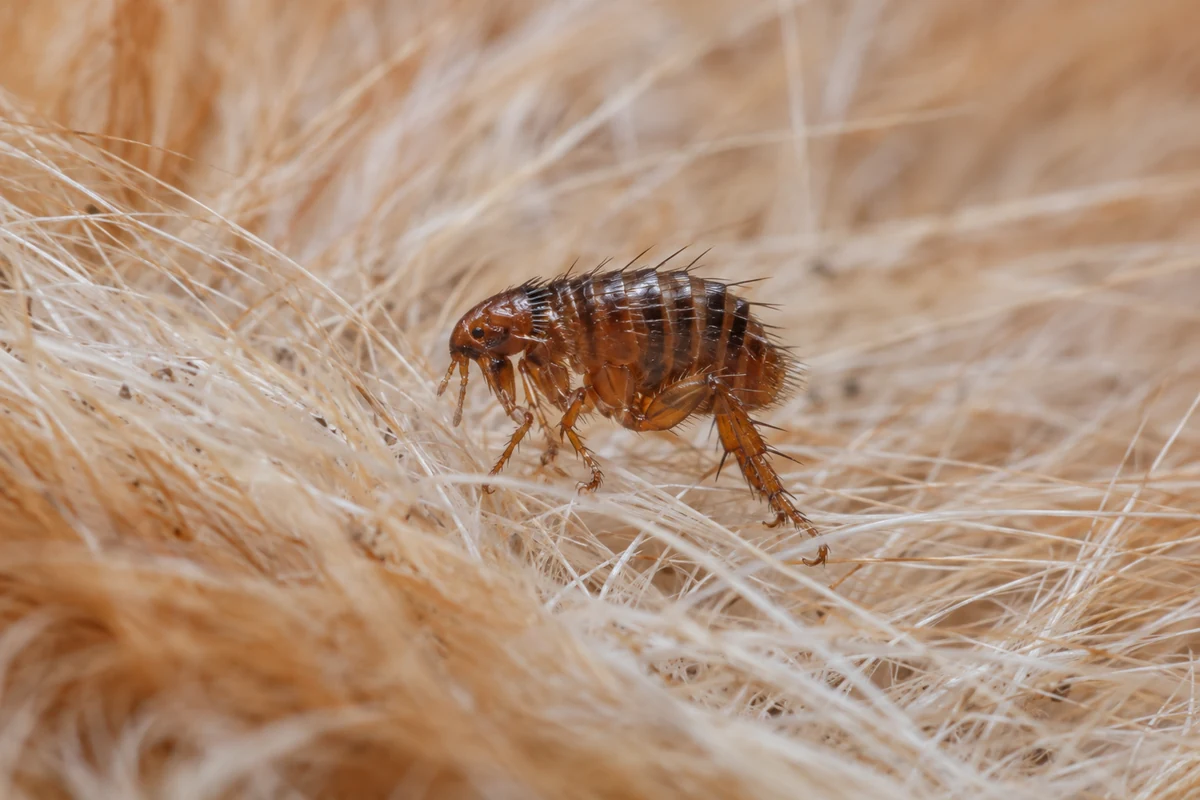

- Flea bites often land on the lower legs and feet, according to the CDC.
- A fully formed flea can wait in its cocoon for up to 12 months in cool temperatures.
- With no pets in the house, raccoons, opossums, skunks, squirrels or feral cats are the usual source.
- A female cat flea lays about 20 to 50 eggs a day.
- Southern Texas is one of three areas, with southern California and Hawaii, that report most US flea-borne typhus cases.





What do flea bites look like on humans?
Flea bites on humans look like a small red spot with a red halo around it, usually without much swelling, according to the University of California’s Pest Notes on fleas. They most often sit on the lower legs and feet.
Flea bites typically cause only minor itching, but people with sensitive skin react more strongly, and in an allergic reaction the itch can last up to 5 days.
The CDC page on preventing fleas is the one that puts the bites on the lower legs and feet, and it advises long socks and pants to protect them. Some people also develop flea bite allergic dermatitis, with intense itching, reddened skin and sometimes an infection from scratching. The University of California Pest Notes on fleas says just one bite can start an allergic reaction.
Do fleas bite humans?
Yes, fleas bite humans, though they would rather feed on an animal. The CDC says fleas prefer animal hosts but will bite people when no animal is available, and that adult fleas find a host by sensing body heat, movement, breathing and the vibrations movement causes.
The cat flea, the most common flea on dogs and cats, bites people as well as pets.
The cat flea heads the short list of fleas that affect people’s health in the US on the CDC page about fleas, and the University of Kentucky calls it the most common flea on both dogs and cats. Kentucky’s entomologists add that an adult flea can jump up to about 6 inches straight up, enough to land on a shoe or a pant leg as someone walks past, which fits with bites showing up low on the legs.
Flea bites, bed bug bites and mosquito bites told apart
The CDC itself says bed bug bites look like mosquito or flea bites, a slightly swollen red area that may itch, so the shape of one bite settles very little. Where the bites are and when they appear settle much more, as the CDC page about bed bugs and its page on preventing mosquito bites show.
| Feature | Flea bites | Bed bug bites | Mosquito bites |
|---|---|---|---|
| Where on the body | Lower legs and feet | Face, neck, arms and hands | Any uncovered skin, and the CDC advises long-sleeved shirts and pants |
| What one looks like | A small red spot with a red halo, little swelling | A slightly swollen red area, scattered or in a straight line | A slightly swollen red area that may itch |
| When it happens | Whenever a flea senses body heat or the vibrations of movement | At night during sleep, and marks can take up to 14 days to show | Day and night |
| Where the biter hides | Carpet, bedding and shady spots in the yard | Mattress seams and bed frames, mostly within 8 feet of the bed | Indoors and outdoors |
Bites on the ankles and feet point to fleas. Bites on the face and arms after sleep point to bed bugs.
Why do I have fleas but no pets?
Fleas turn up in a house with no pets because another animal brought them, or because an animal that lived there before left them behind. The University of Kentucky names raccoons, opossums, skunks, squirrels and feral cats living in the attic, the chimney or under the house as the usual source.
A home whose last owners kept a cat or dog can also hold flea cocoons that hatch weeks or months later.
Those cocoons are the part people miss. The University of Kentucky fact sheet on flea control says a flea normally stays in its cocoon 1 to 4 weeks, but can take longer to come out when a flea-infested home sits vacant. Warmth and the pressure of feet walking on carpet make the fleas hatch, the University of California adds. So a family moves into a house that sat empty, walks the carpet for the first time in weeks, and wakes up the fleas that were waiting.
The CDC notes that wild and stray animals commonly carry fleas, which is why a stray cat sleeping under the deck or an opossum under the house is enough to start bites indoors in a home that has never had a pet.
How long can fleas live without a host?
A flea that has not hatched yet can wait without a host for up to 12 months, sealed in its cocoon, when temperatures are cool, according to the University of California. That waiting stage is why fleas can outlast the pet that brought them by months.
The long wait happens inside the cocoon, not as a hopping adult, and warmth or footsteps on the carpet end it.
Once it hatches, the clock runs differently. The University of California says an adult cat flea generally lives about 30 to 40 days on its host, and the adult needs blood meals to lay eggs, so a hatched flea goes looking for the nearest warm body.

At normal room temperature the whole life cycle, egg to adult, can take about 18 days, the University of California says, and a female cat flea lays about 20 to 50 eggs a day. Kentucky’s sheet adds that the cocoon also shields the developing flea from insecticides. That is why some fleas keep appearing after a house has been treated.
Are flea bites dangerous to humans?
Flea bites are usually an itchy nuisance, but fleas can carry disease, and Texas is one of the places it happens. The CDC says infected cat fleas and rat fleas spread flea-borne typhus, also called murine typhus, and that southern California, Hawaii and southern Texas report most US cases.
Fleas can also spread tapeworms when one is swallowed, and they carry the germ behind cat scratch disease.
Flea-borne typhus is usually caught when infected flea droppings, called flea dirt, are rubbed into the bite or another break in the skin, the CDC page about flea-borne typhus explains. Symptoms start 3 to 14 days later and include fever, chills, headache, body aches and sometimes a rash. Fewer than 5 percent of patients remember a flea bite in the two weeks before they fell ill, so a fever after a flea problem at home is worth mentioning to a doctor. It is treated with the antibiotic doxycycline, and the CDC estimates deaths at less than 1 percent of cases. Small children face a higher risk of tapeworms, the CDC adds, because they spend more time close to the floor and the carpet where fleas live.
What to do about fleas in a house with no pets
With no pet to treat, the job is finding the animal that brought the fleas and clearing the carpet of the cocoons still waiting there.
- Find the animal. Check under the house, the deck and the shed, the attic and the chimney for signs of opossums, raccoons, squirrels or stray cats, and have any animal living there removed before the house is treated.
- Close the way in. Seal the holes wildlife and rodents use, keep tight lids on trash and compost, and bring pet food bowls in so strays stop visiting.
- Vacuum every day in the rooms where the bites happen, along the edges of the walls and under furniture, and empty the vacuum outside. Vacuuming makes waiting fleas leave their cocoons sooner, the University of Kentucky says.
- Expect a tail. Fleas keep coming out for about 2 weeks after a spray, the University of California says, because it does not kill the fleas still inside their cocoons. Keep vacuuming rather than spraying again.
Our guide on How to Get Rid of Fleas in Your House walks through the full method, room by room.
How Pest Me Off handles fleas
Pest Me Off’s flea and tick control starts with the question a flea problem with no pets raises: where did they come from? A technician checks the places an animal would sleep, under the house, under the deck, in the attic and in the shady corners of the yard, and tells you plainly if an animal is living there, because treating around a live opossum only buys time. We then treat the carpet and furniture inside with a product that stops young fleas from growing into biting adults, and treat the shaded outdoor spots where fleas breed.
Because cocoons keep hatching for a while after any treatment, we tell homeowners to keep vacuuming and to expect fleas to keep turning up before the numbers fall away, and we come back to follow up. Same-day service is available for McKinney and the surrounding cities when you call before noon, with no-contract options.
Flea bites and no pets in the house? Same-day pest control in McKinney and the surrounding cities when you call before noon.
We find where the fleas are coming from, treat the carpet, the furniture and the shady yard spots where they breed, and follow up while the last cocoons hatch. No-contract options.
