
When Mosquito Season Starts and Ends in Collin County
Mosquito season in Collin County has no fixed start or end date. It follows the weather, starting as the freezes end in March and fading as the nights cool in the fall. This article covers when mosquitoes show up, when the disease carriers peak, what temperature sends them into hiding, and what to do before the first warm rain.
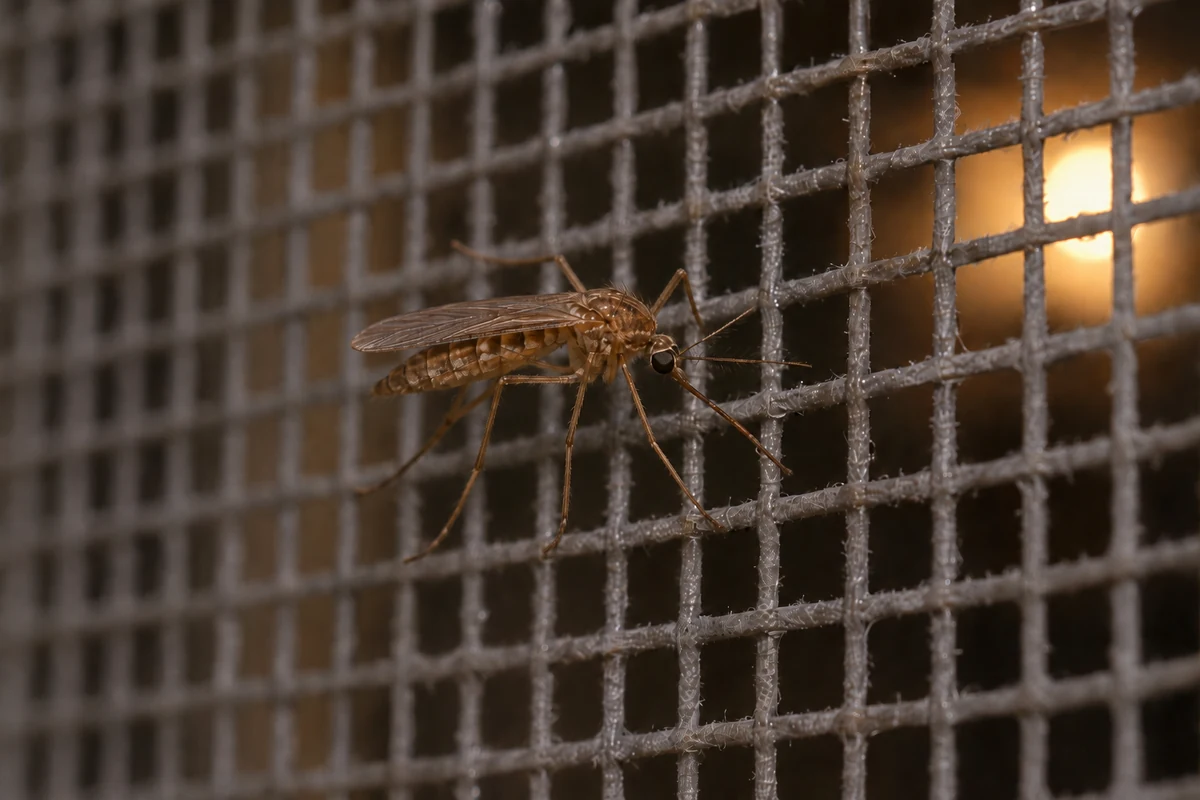

- The average last freeze for Dallas-Fort Worth is March 12, and the average first freeze is November 22.
- This season the City of McKinney began treating standing water in March and set its mosquito traps in May.
- The mosquitoes that carry disease typically become a problem in late summer and early fall.
- Below the mid-50s, mosquitoes are rarely out, and they spend the winter in hiding.
- Some mosquito eggs survive drying out for up to 8 months and hatch when water covers them.





When does mosquito season start in Texas?
In Collin County, mosquito season starts in early spring, as the freezes end and warm rains fill the low spots and containers. The National Weather Service puts the average last freeze for Dallas-Fort Worth on March 12, and this season the City of McKinney began treating standing water for larvae in March and set its traps in May.
The first ones out are rarely the ones that spread disease. A Texas A&M AgriLife Extension post on the first mosquitoes of spring, quoting the Dallas County Health Department, says the early ones are more likely Culex restuans or other cool weather species, not the main West Nile carriers in the area. They still bite.
After that, mosquitoes come in waves. A Texas A&M AgriLife entomologist, quoted in Texas A&M’s mosquito season story, says floodwater mosquitoes hatch first after heavy rain, container mosquitoes, the black and white striped Aedes kind, follow in buckets, birdbaths and gutters, and the waves overlap as the season goes on.
When does mosquito season end in Texas?
Mosquito season in Collin County ends with the cold, not on a set date, and in most years biting fades through October and November. Texas A&M AgriLife says mosquitoes are cold-blooded and are typically not around below the mid-50s, and the National Weather Service gives Dallas-Fort Worth an average first freeze of November 22.
The fall is not the time to relax. Texas A&M says the Culex mosquitoes that carry West Nile virus breed in stagnant water as summer dries out, and are typically a problem in late summer and early fall.
That is when the City of McKinney’s mosquito control program matters most. The city tests trapped mosquitoes for West Nile virus, and after positive samples it has sprayed, weather permitting, a one-mile radius around the address between 10 p.m. and 5 a.m. Residents can reach its Health Compliance office at 972-547-7447.
Texas had its largest West Nile outbreak in 2012, with more than 1,800 confirmed cases, and Texas A&M AgriLife Today says most of the people infected reported being bitten at home.
What temperature do mosquitoes die?
Cold stops mosquitoes rather than killing them off. Texas A&M AgriLife says mosquitoes are cold-blooded and are typically not around once the thermometer dips below the mid-50s, and that they spend the winter hibernating as eggs, larvae or adults, which is why the same yard fills up again in spring.
Heat changes where they are, not whether they are there. Texas A&M AgriLife says that on hot days mosquitoes rest in shade, in grassy areas under trees, which is why a backyard can seem empty at noon and full at dusk.
Dusk is busy for a second reason. Texas A&M says some of the 85 mosquito species found in Texas feed by day and others by night, and the two groups overlap at dawn and dusk.
Are there mosquitoes in winter in Texas?
Yes, though few bite in a Collin County winter. Texas A&M AgriLife says mosquitoes hibernate through the winter, some as eggs that hatch when the weather warms and others as larvae or adults, and the Centers for Disease Control and Prevention says the eggs of Aedes mosquitoes can even survive a winter in the southern United States.
Those eggs are why a yard can start producing mosquitoes again with the first warm rains. The CDC page on the Aedes life cycle says the eggs stick to the inside walls of containers like glue, can survive drying out for up to 8 months, and hatch when rain or a sprinkler covers them.
A flower pot saucer or a tarp that dried out in October can start hatching mosquitoes again with the first warm spring rains. Our Asian tiger mosquito page in the pest library shows the striped container mosquito that bites in the daytime.
Mosquito season in Collin County, through the year
The months below are our reading of the National Weather Service freeze dates and the order of the waves Texas A&M AgriLife describes. A warm or wet year moves each one earlier.
| Time of year | What the mosquitoes are doing | What to do |
|---|---|---|
| December to February | Hiding as eggs, larvae or adults, with freezes on and off | Empty and scrub the containers that held water last year |
| March | The average last freeze is March 12, and the first larvae hatch in warm water | Check birdbaths, saucers and gutters after every rain |
| April to June | Floodwater mosquitoes after storms, then container mosquitoes | Empty standing water at least once a week |
| July to October | Culex in stagnant water, the West Nile carriers | Wear repellent whenever you are outside for long |
| November | Fewer bites as nights stay below the mid-50s and the freezes start | Keep emptying water until the freezes come |
Biting drops off as the nights stay cool and the freezes start. The eggs left behind start next year’s season.

That is why the state health department says to empty containers at least once a week, and why one forgotten bucket can keep a yard biting all summer.
How to get ahead of mosquito season
- Empty and scrub containers in late winter. The CDC says Aedes eggs stick to container walls like glue and survive drying out for up to 8 months, so scrub the inside walls, where the eggs stick.
- Empty standing water at least once a week. The Texas Department of State Health Services says mosquitoes can breed in as little as a tablespoon of water, and lists trash cans, buckets, old tires, pots and plant saucers.
- Keep the gutters clear, change pet water daily, and change birdbath water several times a week, as the state health department advises.
- Treat water you cannot empty. Texas A&M says mosquito dunks or granules from a hardware store kill larvae for up to 30 days, and the state recommends dunks for water that cannot be emptied or covered.
- Wear repellent any time you are outside for long, day or night. Texas A&M recommends a repellent such as DEET, picaridin or oil of lemon eucalyptus, and says the sprays homeowners can apply to a yard last only 24 hours.
How Pest Me Off handles mosquito season
Pest Me Off treats the places mosquitoes rest and breed, not just the air. On the first visit, the technician treats the shaded shrubs, fence lines and areas under decks where adults wait out the heat, and walks the yard to find and drain standing water, from a clogged gutter to a forgotten dog bowl. The barrier on the foliage keeps working for 3 to 4 weeks, and yards near ponds, creeks and greenbelts can add In2Care stations.
Our seasonal program comes back every 3 weeks, April through October, to renew the barrier and check for new standing water, with re-service between visits on eligible plans when our tech decides it is needed. Our mosquito control service has the details, and same-day service is available Monday through Friday, when you call before noon, across McKinney, Plano, Frisco, Allen and the rest of Collin County.
Mosquitoes taking over the backyard? Same-day pest control in McKinney and the surrounding cities when you call before noon.
We treat the shade where they rest, drain the water where they breed, and come back every 3 weeks through the season. No-contract options.
