
Squirrels in Collin County, TX | Identification and Control
Most people call them gray squirrels, but the squirrel in a Collin County attic is usually the eastern fox squirrel (Sciurus niger), a rusty-bellied tree squirrel of about 1.3 to 2.9 pounds. It chews a hole the size of a baseball at a soffit or gable vent, nests in the insulation and gnaws on wiring. Rabies is not the worry. The Texas Department of State Health Services confirmed rabies in 412 animals in Texas in 2024, and not one was a squirrel.
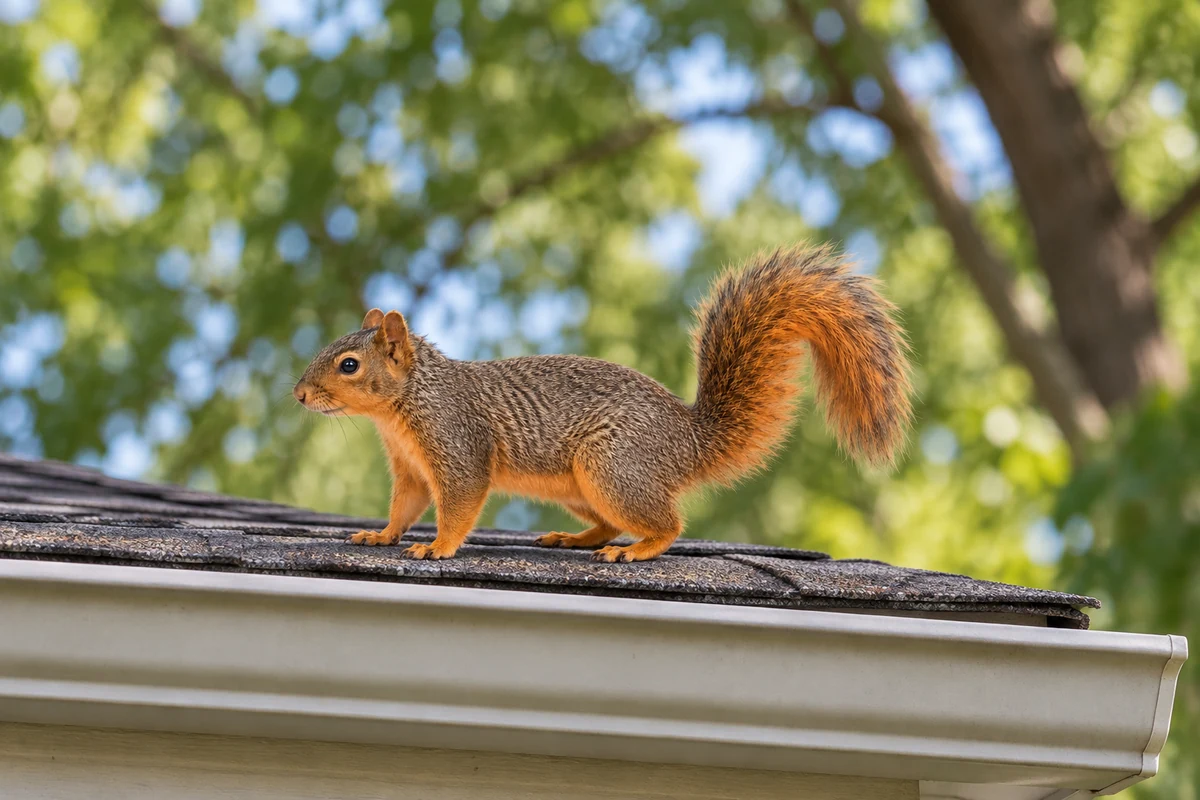
Scratching and rolling in your attic at first light? Our office sits where McKinney, Plano, Frisco and Allen meet, 5 to 10 minutes from most homes in those four cities. Call and we will find the squirrels, the hole they chewed and whether there are young.
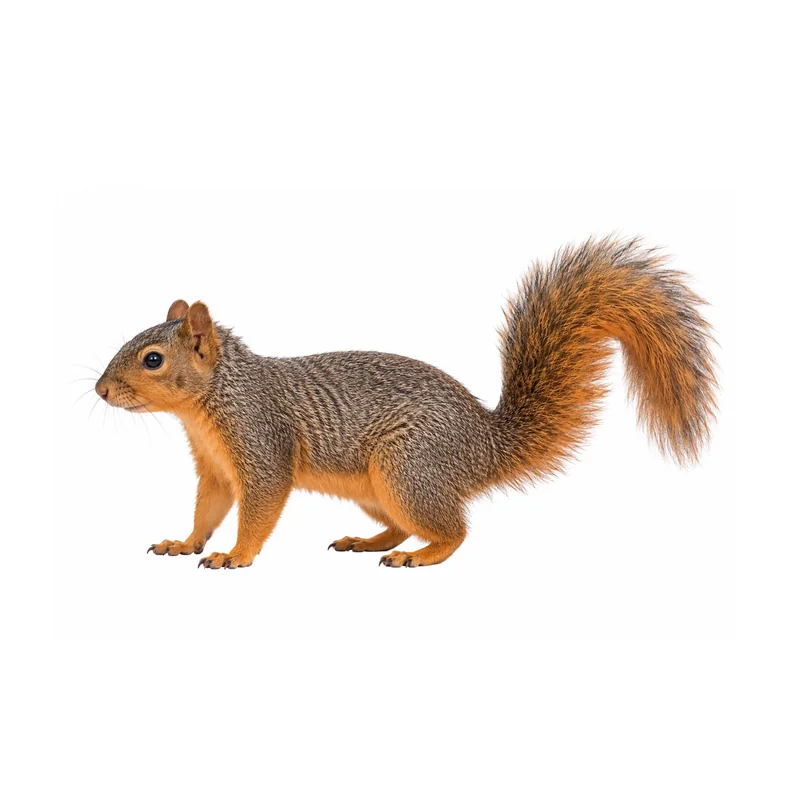
Squirrel
The eastern fox squirrel is a large tree squirrel that is out by day, buries acorns and pecans, and dens in hollow trees or in attics when it finds a way in. Texas A&M AgriLife Extension calls fox squirrels the most common squirrel species in Texas.
Risk Assessment
Choose a row for the full detail- Color
- Brownish or grayish back, rusty orange belly and feet
- Diet
- Acorns, pecans and other nuts, plus new shoots, fruit, seeds and insects
- Threat level
- Low to people, high to the house
- Nesting site
- Hollow trees, leaf nests in branches, and attics
- Lifespan
- Wild squirrels over 4 years old are rare
- Young to adult
- Eyes open at 5 weeks, on their own at about 3 months
- Size
- About 20 inches with the tail, 1.3 to 2.9 lb (600 to 1,300 g)
What Does a Squirrel Look Like?
A big tree squirrel with a brownish gray back, a rusty orange belly and a long, bushy tail
The eastern fox squirrel is brownish or grayish on the back with rusty or reddish fur underneath, cinnamon feet and a bushy tail of cinnamon mixed with black. Texas Tech University’s species account in The Mammals of Texas gives an average total length of 522 mm, about 20 inches, of which about 10 inches is tail, and an adult weight of 600 to 1,300 grams, about 1.3 to 2.9 pounds.
Inside the house, most people hear a squirrel long before they see one. It is out by day, so the scratching, scurrying and rolling of nuts overhead comes at first light and through the day, then stops at dusk. The Internet Center for Wildlife Damage Management notes that fox and gray squirrels get into buildings through holes about the size of a baseball, gnaw on wires and build nests in attics.
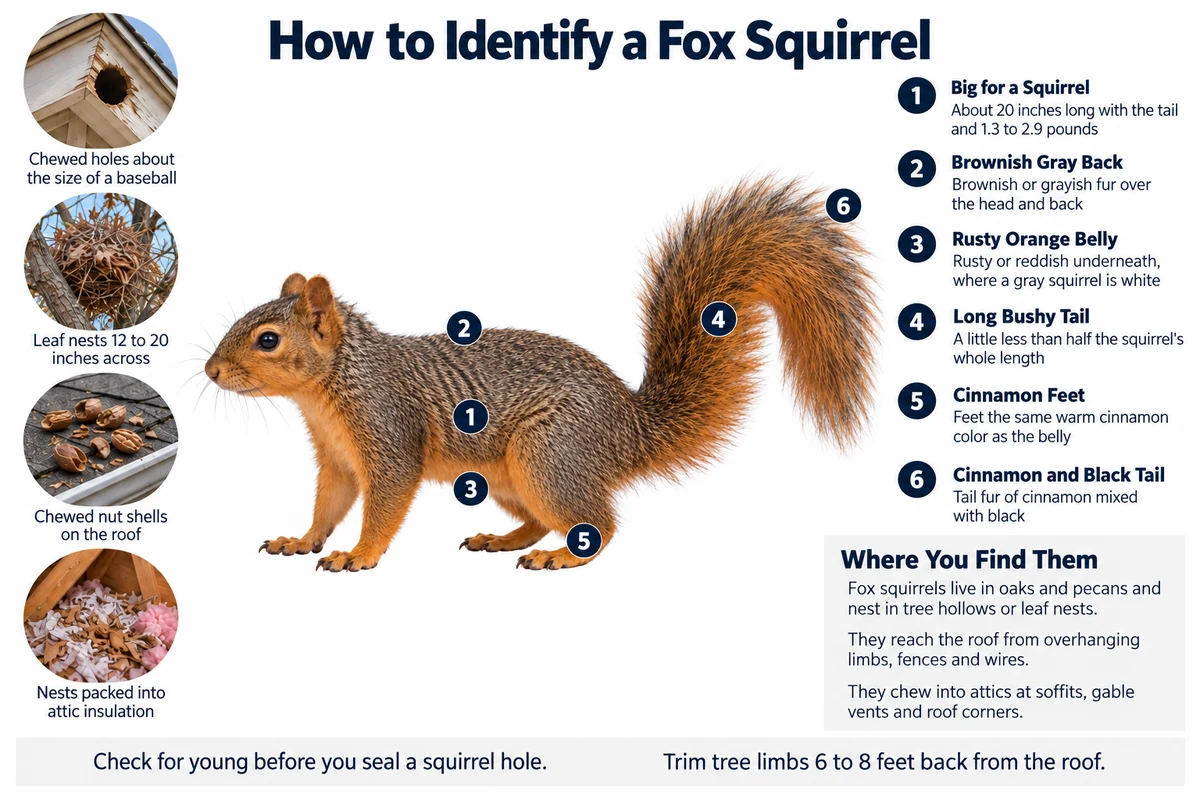
How to identify an eastern fox squirrel by its rusty belly and long bushy tail, with the chewed holes, nests and nut shells it leaves behind
- Scratching, scurrying and rolling overhead at dawn and in the daytime, quiet at night
- A round, chewed hole about the size of a baseball at a soffit, gable vent or roof corner
- Squirrels running along the roof or jumping onto it from a tree limb
- Chewed acorn and pecan shells on the roof, in the gutter or in the attic
- Leaves, insulation and nesting material packed into one corner of the attic
- Gnawed wires, pipe insulation or wood trim near the way in
Fox Squirrel or Gray Squirrel?
Most people call any squirrel in the yard a gray squirrel, and that is an easy mix-up to make. Texas Tech’s Mammals of Texas places the eastern fox squirrel across the eastern four-fifths of the state and the eastern gray squirrel’s native range in the eastern third, where it lives mainly in dense oak groves and the wooded swamps along streams. So the squirrel in a Collin County attic is usually the fox squirrel.
The species account for the eastern gray squirrel describes a smaller animal, about 18 inches long and 321 to 590 grams, with a white belly rather than a rusty one. That belly is the quickest way to tell them apart. A fox squirrel with a lot of orange in its coat is often called a red squirrel, but the true red squirrel is a smaller northern species. In Spanish any squirrel is an ardilla.
| Name | What it means |
|---|---|
| Fox squirrel | The usual squirrel in Collin County, with a rusty belly. |
| Gray squirrel | What most people call it, but a smaller species with a white belly. |
| Red squirrel | A nickname for a very orange fox squirrel, not the true red squirrel. |
| Ardilla | The Spanish word for any squirrel. |
| Tree squirrel | The group fox and gray squirrels belong to, as against ground squirrels. |
How to Tell a Squirrel from a Roof Rat, Raccoon or Bat in the Attic
All four end up in Collin County attics, and each one is handled differently. Most people never see the animal. The time of day you hear it, how heavy it sounds and the size of the way in tell them apart.
| Species | Size and Color | Key Feature | Where Found |
|---|---|---|---|
|
Squirrel
AKA: Fox Squirrel, Gray Squirrel
Sciurus niger
This species
|
About 1.3 to 2.9 pounds and 20 inches long with the tail. Brownish gray back, rusty belly. | Scratching and rolling at dawn and by day. A round chewed hole about the size of a baseball. | Attics reached from trees and the roof, through soffits, gable vents and roof corners. |
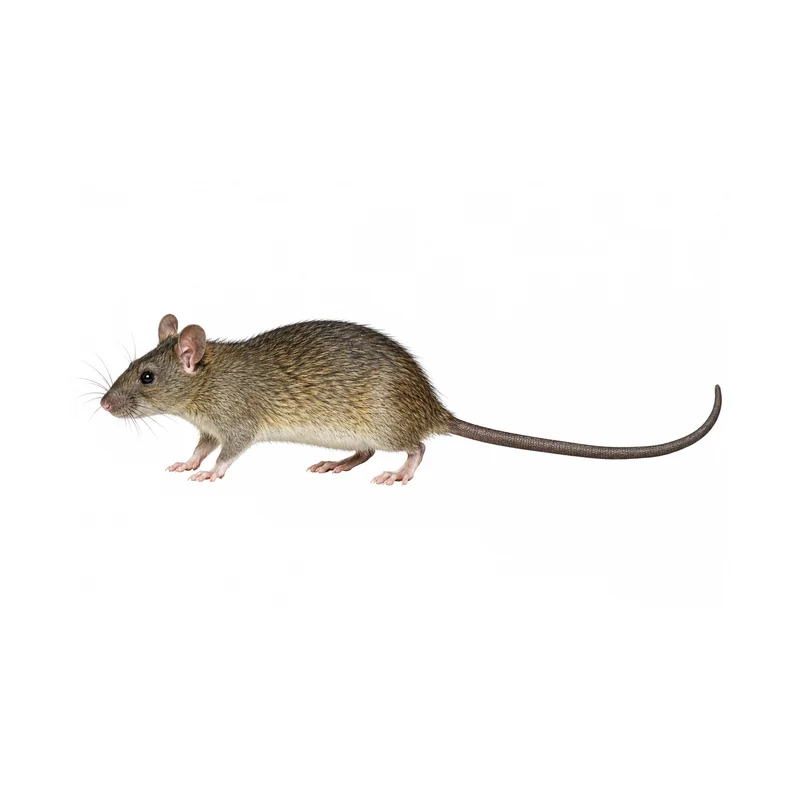
Roof Rat
AKA: Black Rat, Ship Rat
Rattus rattus
|
Slimmer and lighter, about 5 to 9 ounces. Brown mixed with black, with a thin, bare tail. | Quick scurrying after dark, not by day. Droppings about half an inch long with pointed ends. | Attics and roof edges, reached along branches, fences and utility lines, often in the same attic as squirrels. |
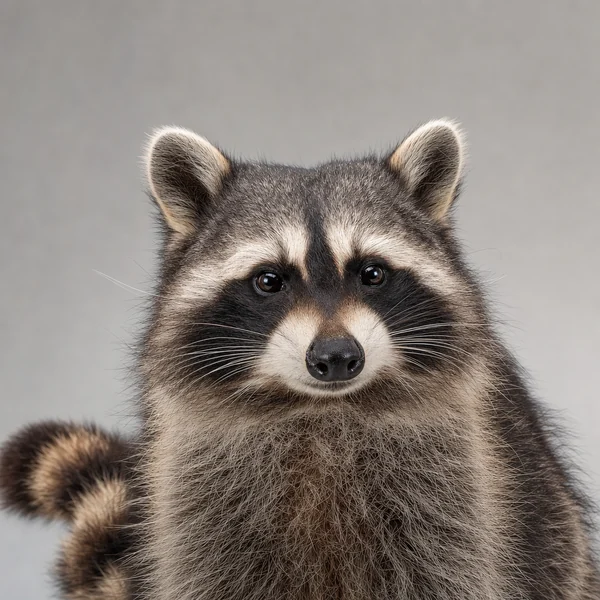
Raccoon
AKA: Racoon, Coon, Mapache
Procyon lotor
|
9 to 29 pounds, far bigger. Grizzled gray with a black mask and a ringed tail. | Heavy thumping like a small person after dark. Soffits and vents torn open rather than chewed. | Attics, chimneys and the space under decks, mostly in spring when mothers have young. |
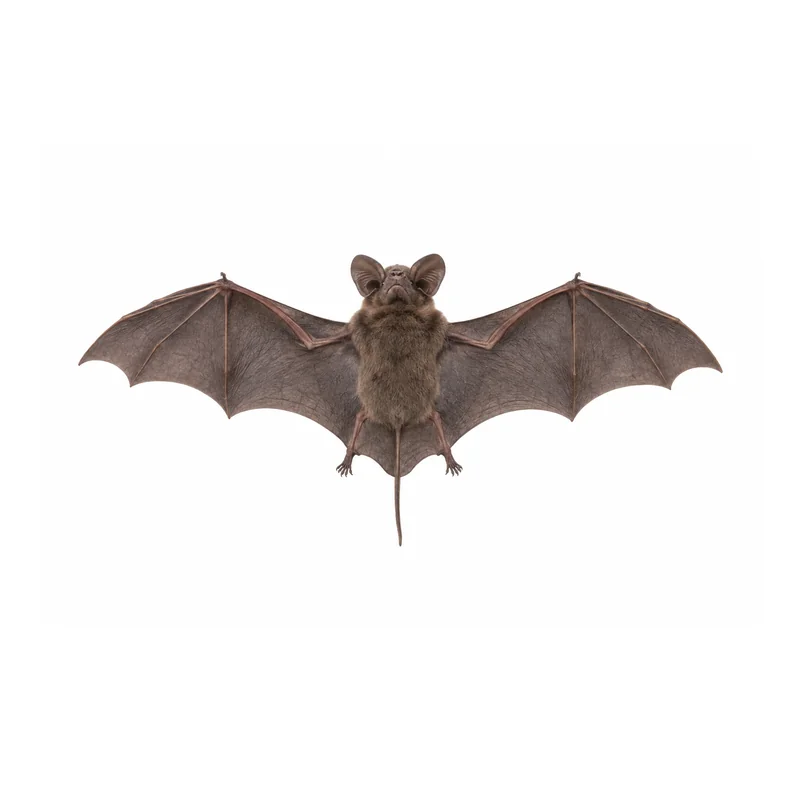
Bat
AKA: Mexican Free-Tailed Bat
Tadarida brasiliensis
|
Small and dark brown, with wings of bare skin and no bushy tail. | Squeaking and light fluttering at dusk, and dark staining with droppings piled below a gap. | Narrow roofline gaps and gable vents. Bats are protected in Texas and are never trapped. |
Squirrel vs Roof Rat in the Attic
The Squirrel in Three Numbers
0 of 412
The Texas Department of State Health Services confirmed rabies in 412 animals in Texas in 2024, and 0 of those 412 were squirrels.
Texas Department of State Health Services, 2024
6 to 8 feet
The Internet Center for Wildlife Damage Management advises trimming tree limbs back 6 to 8 feet from a building so squirrels cannot jump onto the roof.
Internet Center for Wildlife Damage Management
4
Texas Tech University’s Mammals of Texas says the average female fox squirrel produces only 4 young a year.
Texas Tech University, The Mammals of Texas
Are Squirrels Dangerous?
Not to people who leave them alone. A squirrel runs from people, but one that is grabbed, cornered in a room or caught in a trap will bite and scratch hard with its long front teeth and sharp claws. The wildlife damage reference on tree squirrels notes they bark as a warning and churr when angry, so a squirrel making noise at you is telling you to back off. Never reach into a hole or a nest where young squirrels are, and never try to catch one loose in the house by hand.
Do Squirrels Carry Rabies?
Almost never. In the state’s 2024 report on rabies in animals, the Texas Department of State Health Services confirmed rabies in 412 animals in Texas, mostly bats and skunks, and not one squirrel. The CDC’s rabies prevention recommendations say small rodents, squirrels among them, are rarely infected with rabies and have not been known to pass it to people. A bite still needs washing at once with soap and water and a call to your doctor, as any animal bite does.
Are Squirrel Droppings in the Attic Dangerous?
They are a mess more than a medical worry, but they should still be cleaned up the safe way. Squirrels soak the insulation with urine and leave droppings along their trails and around the nest, and the wildlife damage reference notes urine and droppings pile up below the spot where squirrels come and go. The CDC’s cleanup guide for rodent droppings says never to sweep or vacuum them. Air the space out for 30 minutes, wear gloves, soak droppings and nesting with 1 part bleach to 9 parts water for 5 minutes, then wipe them up.
When Squirrel Activity Needs Fast Action
Chewed Wiring in the Attic
Squirrels chewing on electrical lines can start a fire. If you find bare or gnawed wires, have an electrician check them.
A Squirrel Loose in the House
Keep children and pets out of the room, close the door on it and do not try to catch it by hand. A frightened squirrel bites.
A Bite or Scratch
Rabies is very unlikely, but wash it at once with soap and running water and call your doctor the same day.
Young in the Attic
Squeaking in spring or late summer means a litter. Do not seal or block the hole until the mother and young are all out.
Why You Have Squirrels in Your Attic
A squirrel in the attic is usually a female looking for a dry, safe place to raise her young. Texas Tech’s species account says fox squirrels prefer hollow trees as dens and nurseries and build leaf nests when no hollow is free. In a Collin County neighborhood of young trees, an attic is the best hollow around. She finds a weak spot, most often a soffit return where a lower roof meets a wall, a gable vent or a gap the builder left, and chews it into a round hole.
What brings squirrels onto a roof is trees and food. Limbs that touch or hang over the roof give them a bridge, and oaks, pecans and bird feeders in the yard keep them close. It is not a sign of a dirty or neglected home. Brand-new roofs with open builder gaps draw squirrels as readily as old ones.
Where Squirrels Live Around Collin County Homes
Outdoors, fox squirrels live in the trees. Texas Tech’s species account describes leaf nests 30 to 50 cm across, about 12 to 20 inches, built high in the branches, and dens in hollow trees when they can find one. Around homes they move into the attic, the space above a garage and sometimes a shed. The wildlife damage reference warns that their gnawing can weaken rafters if left long enough, and that squirrels chewing on electrical lines can cause fires.
Squirrel Pressure Across Collin County
Squirrels in the attic show up in our service notes most often in McKinney, then Frisco, Allen and Plano. Older streets with big oaks and pecans give them a canopy route to the roof, and newer rooflines often leave soffit returns and vents a squirrel can open.
We also find them in Anna, Melissa, Prosper and Celina and Murphy, usually where a tree limb reaches the roof or a builder gap was never closed.
Squirrels are active all year in Collin County. Texas Tech’s species account puts fox squirrel mating in January and February and again in May and June, so attics fill with young in spring and again in late summer, and fall brings squirrels onto roofs as they gather and bury nuts.
Pattern from published Texas fox squirrel breeding biology (The Mammals of Texas) and Pest Me Off squirrel calls, which come all year and run highest in spring and early fall.
Why Squirrels Keep Coming Back
How Pest Me Off Removes Squirrels
Squirrel removal is four steps, every job. Getting the squirrels out is only half the fix, because the hole they chewed still invites the next one.
Inspect and Identify
A free wildlife inspection of the roofline and attic. We confirm it is a squirrel and not a roof rat or raccoon, find the active hole and every other weak spot, and look and listen for young.
Remove the Humane Way
A live trap or a one-way door at the active hole, so the squirrels can leave but not get back in. When there is a litter, we make sure the mother and young all come out.
Clean Up and Assess
We clear nesting material and droppings from the access area, then show you the damage and the exact way in, from chewed trim to gnawed wiring.
Seal It Out for Good
Every hole and weak spot is closed with metal and mesh a squirrel cannot chew through. This is the rodent proofing and exclusion work that keeps the next animal out.
& Other Companies
How to Get Rid of Squirrels Yourself
The best DIY squirrel work keeps them off the roof. The wildlife damage reference on squirrel control puts trimming and sealing ahead of any trap.
Why Some DIY Responses Fail for Squirrels
Most DIY squirrel trouble comes from sealing a hole while squirrels or their young are still inside, or from trusting a smell to move them out.
Sealing the Hole Too Soon
The wildlife damage reference warns against shutting squirrels in from February through August, when young may be inside. The mother chews a new hole, or the young die in the attic and the smell lasts for weeks.
Mothballs and Smell Repellents
The same reference says mothballs may only discourage squirrels for a while. A mother with young stays put, and mothballs in an attic leave fumes in the house.
Trapping Without Sealing
Catching one squirrel leaves the hole open. With trees and nuts close by, another squirrel finds the same way in.
Common Squirrel Questions
What kind of squirrel lives in Collin County, a fox squirrel or a gray squirrel?
How do I know if I have a squirrel in my attic?
Do squirrels carry rabies?
Will a squirrel bite?
Can squirrels chew through electrical wiring?
How big a hole does a squirrel need to get in?
When do squirrels have babies in Texas?
Are squirrels protected in Texas?
What smell keeps squirrels away?
How do I get rid of squirrels?
Squirrels in the Attic? We Get Them Out and Seal Them Out.
We find the hole they chewed and any young, get every squirrel out humanely, clean up the nest, and seal the roofline with metal so nothing chews back in. Wildlife removal across McKinney, Allen, Frisco, Plano, and all of Collin County.