
Bed Bugs in Collin County, TX | Identification and Control
The bed bug (Cimex lectularius) is a flat, reddish brown insect about the size of an apple seed that hides in mattress seams and feeds on people while they sleep. It does not fly or jump, it is not known to spread disease, and it gets into Collin County homes in luggage, used furniture and the cars and couches of people who already have it. Bites alone cannot confirm it. About 30 percent of people do not react to bed bug bites even when bitten repeatedly, according to University of Kentucky Entomology, so the bugs, their eggs and their dark droppings are what prove it.
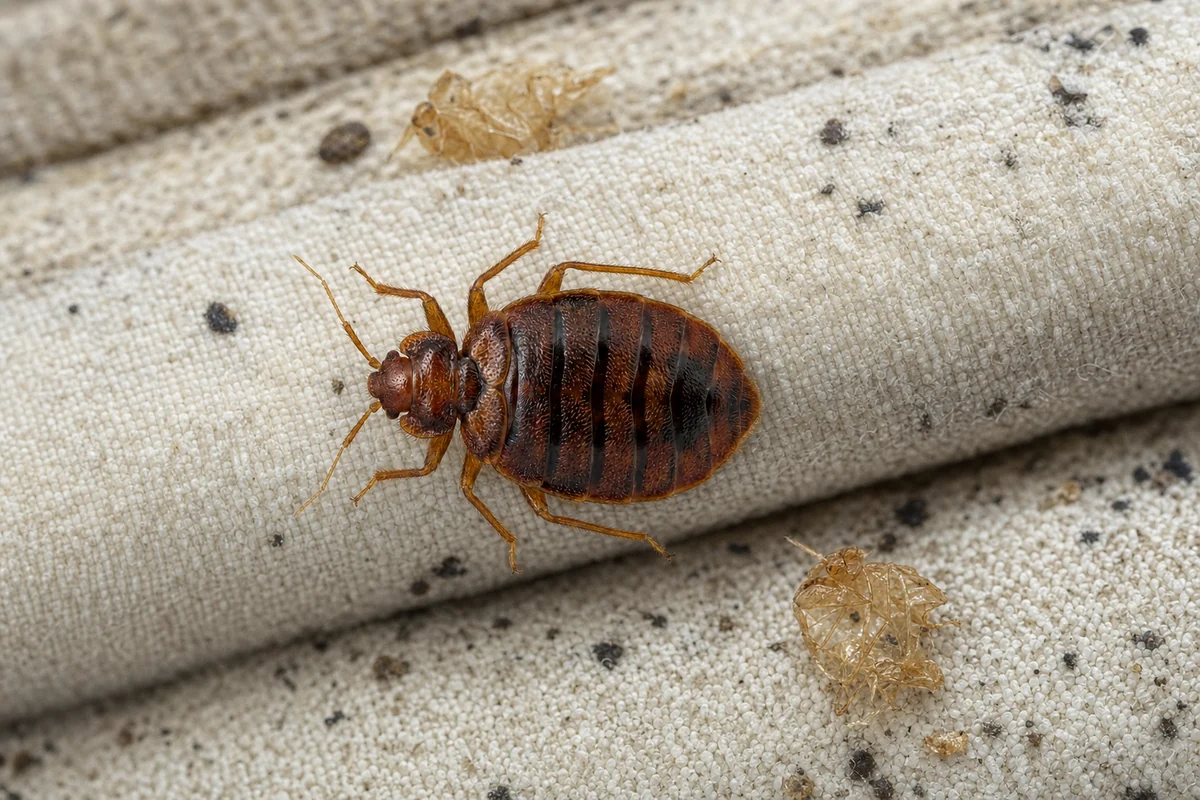
Waking up with bites in your Collin County home? Our office sits where McKinney, Plano, Frisco and Allen meet, 5 to 10 minutes from most homes in those four cities. Send us a photo of the bug or the bites, or call, and we will tell you whether it looks like bed bugs or something else.
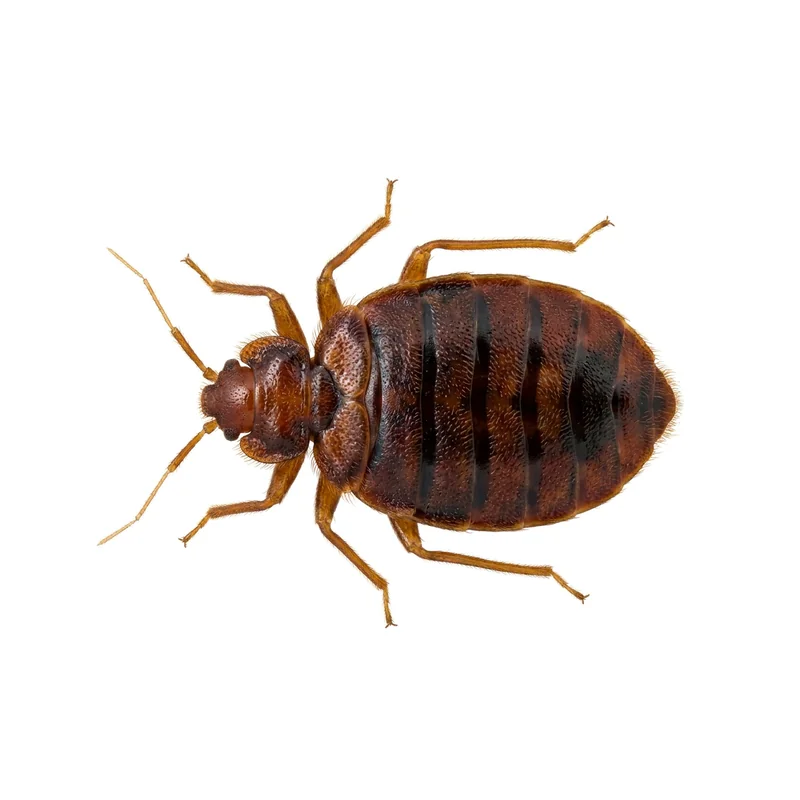
Bed Bug
The bed bug is a wingless insect that lives only on blood, almost always human, and hides within a few feet of where people sleep. The CDC overview of bed bugs lists the signs it leaves behind: shed skins, rusty blood spots on the mattress and a sweet, musty odor.
Risk Assessment
Choose a row for the full detail- Color
- Reddish brown, turning darker red and longer after a meal
- Diet
- Blood only, nearly always human
- Threat level
- Moderate
- Where it hides
- Mattress seams, box springs, headboards, couches
- Lifespan
- Several months without a meal
- Eggs
- 1 mm and white, hatching in about a week
- Body length
- 5 to 7 mm (3/16 to 1/4 in)
What Do Bed Bugs Look Like?
Flat, oval, reddish brown and the size of an apple seed, with no wings and six legs
An adult bed bug is 5 to 7 mm long, about the size of an apple seed, according to the US Environmental Protection Agency’s bed bug life cycle guide. Before it feeds it is flat as a seed and reddish brown. After a meal it swells into a longer, rounder, darker red shape. It has six legs, two short feelers, small wing pads it cannot fly with, and it does not jump.
Young bed bugs look like small, pale adults. The EPA lists five growth stages, from 1.5 mm, smaller than a pinhead’s width, up to 4.5 mm, and the youngest are nearly see-through until they feed and show a red spot of blood inside. Eggs are white, about 1 mm long and tucked into seams and cracks, so a homeowner is far more likely to see the droppings and shed skins than the bugs themselves.
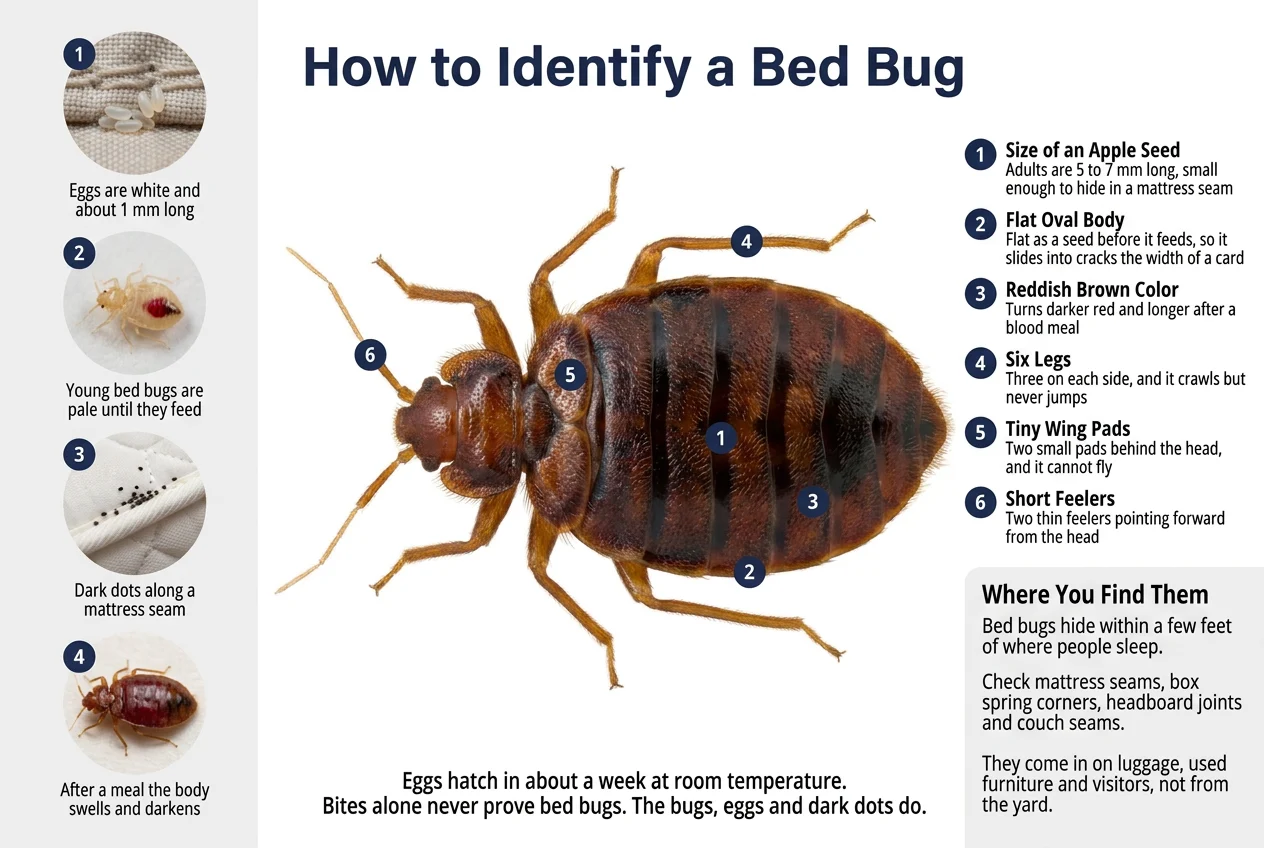
How to identify a bed bug by its size, flat oval body, six legs and short feelers, with its eggs, young and the dark dots it leaves on mattress seams
- Rows of tiny black or rust-colored dots along mattress seams, which smear like ink when wiped with a damp cloth
- Pale, papery shed skins in seams, box spring folds and headboard joints
- Small rust-colored blood spots on sheets or pillowcases
- Flat reddish brown bugs the size of an apple seed when the mattress or headboard is lifted
- Itchy bites in a line or cluster on skin that was uncovered in bed
- A sweet, musty smell in a heavily infested bedroom
Other Names for Bed Bugs
The scientific name says where this insect lives. Cimex is Latin for bug, and lectularius comes from the Latin word for a bed or couch, so the name means the bug of the bed. It has fed on people for thousands of years and travels with them everywhere they go. Spanish speakers across Collin County call it a chinche. Every name in the table means the same insect.
One name causes real confusion. Some Texans say red bugs, and in the South that usually means chiggers, the tiny mites in tall grass that bite around the ankles and waistband outdoors. Chigger bites come from the yard. Bed bug bites come from the bed.
| Name | What it means |
|---|---|
| Bedbug | The same insect written as one word, a spelling many people search. |
| Common bed bug | The formal name, used to tell it apart from its relatives that feed on bats and birds. |
| Chinche | The Spanish name, heard in many Collin County households. |
| Mahogany flat | An old nickname for its flat, dark reddish body. |
| Red bug | Sometimes used for bed bugs, but in Texas it usually means chiggers, a different biter found outdoors. |
How to Tell Bed Bugs from Carpet Beetles, Fleas and Ticks
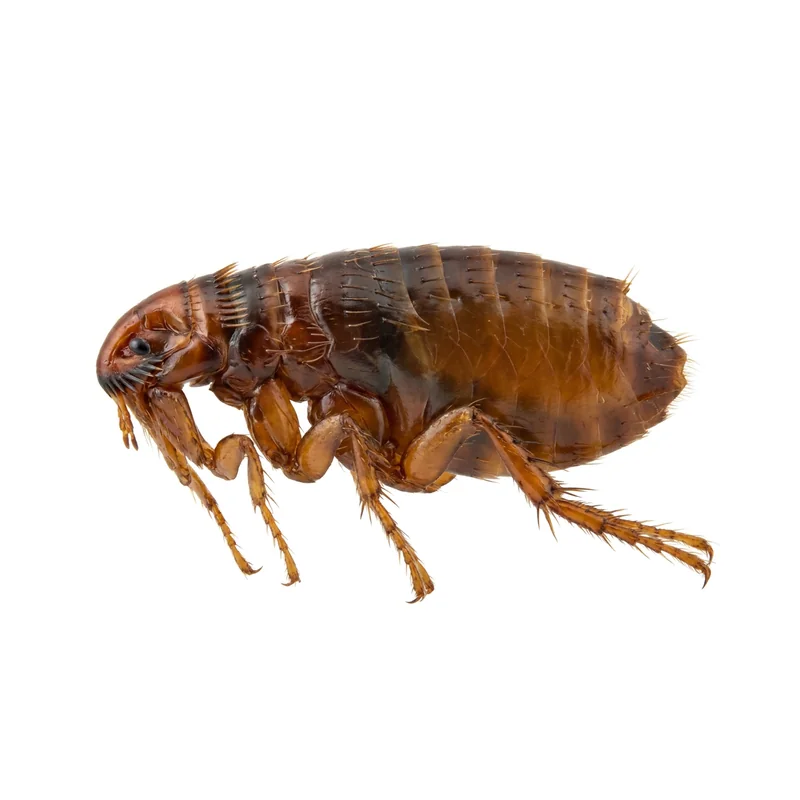
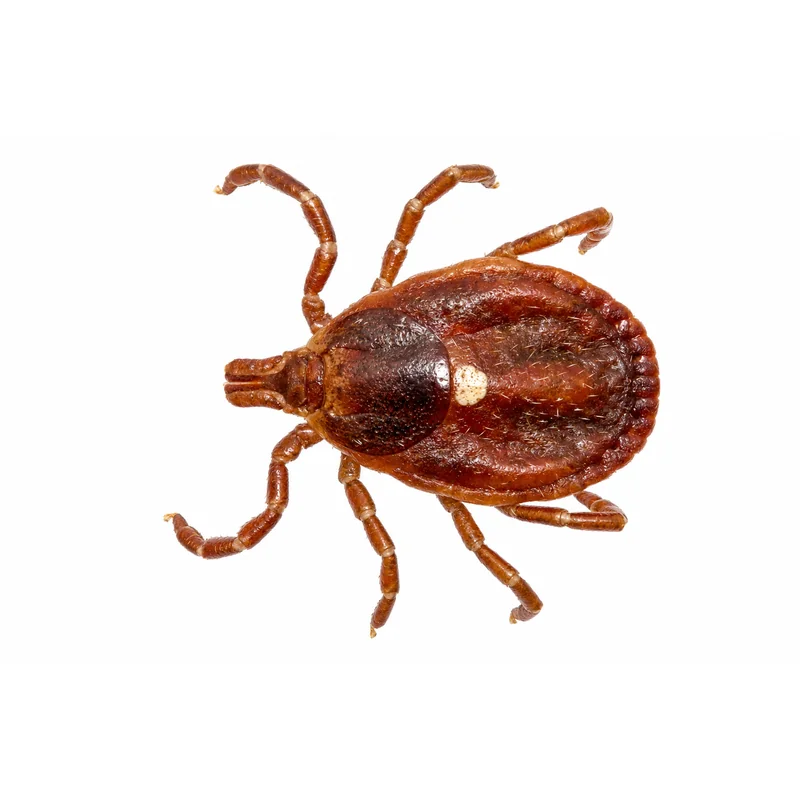
Three small biters and crawlers get mistaken for bed bugs in Collin County homes. Shape, how the insect moves and where you find it separate them without a microscope. In our own bed bug inspections, the most common answer when it is not bed bugs is fleas.
| Species | Size and Color | Key Feature | Where Found |
|---|---|---|---|
|
Bed Bug
AKA: Bedbug, Chinche
Cimex lectularius
This species
|
5 to 7 mm, about the size of an apple seed. Reddish brown, darker and longer after feeding. Young ones are pale and nearly see-through. | Flat from top to bottom like a seed, with six legs and no working wings. It crawls but never jumps, and it leaves rows of black dots behind. | Mattress seams, box springs, headboards, bed frames, couches and recliners, within a few feet of where people sleep or sit for hours. |
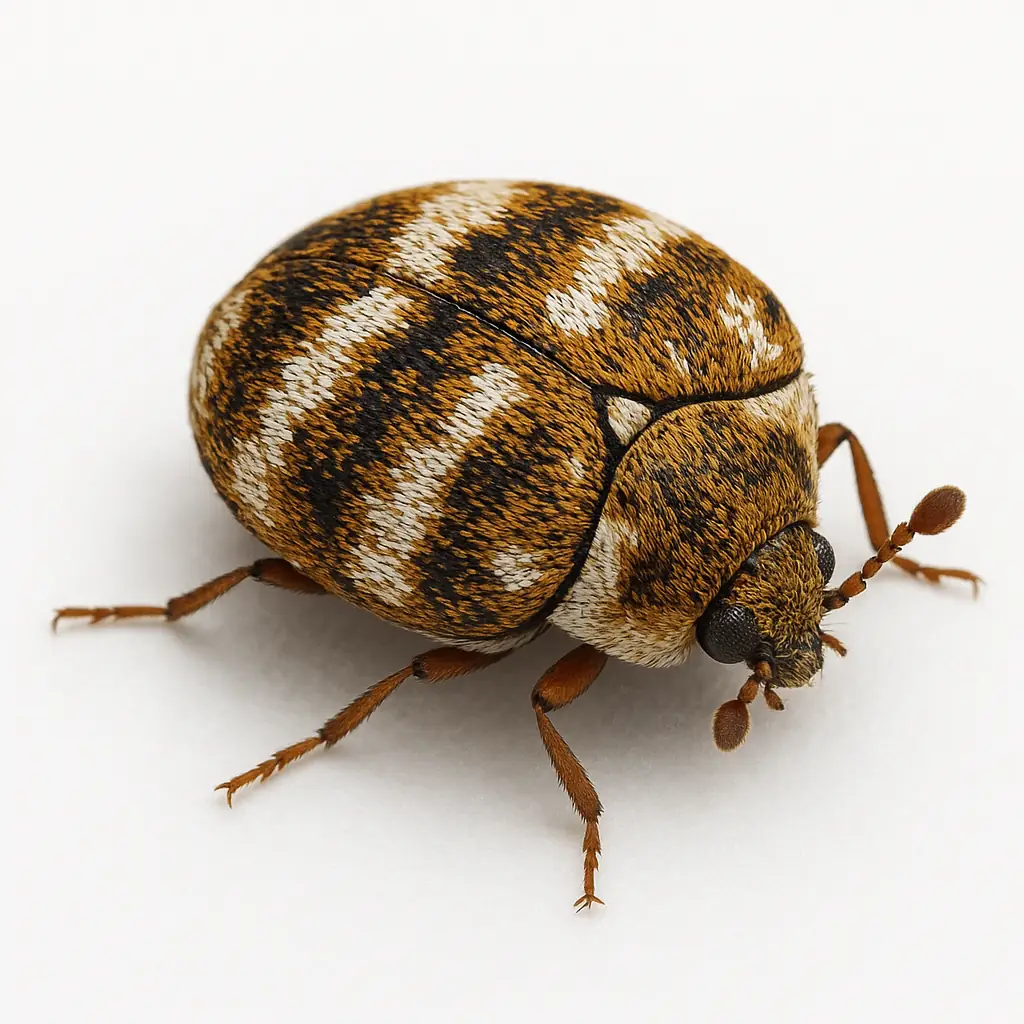
Carpet Beetle
AKA: Varied Carpet Beetle
Anthrenus verbasci
|
2 to 3 mm, smaller than an adult bed bug. Round and patterned with white, brown and yellow scales. Its young are fuzzy, striped and carrot-shaped. | Round and domed, not flat. Adults fly to windows. Its hairy young can cause an itchy rash that looks like bites, but it never feeds on blood. | Closets, wool rugs, stored clothing, under furniture edges and window sills. Active in daylight, unlike bed bugs. |
Cat Flea
AKA: Common Flea
Ctenocephalides felis
|
1 to 3 mm, smaller than a bed bug. Dark brown to nearly black. | Flat from side to side, so it looks thin from above, and it jumps. Bites cluster around the ankles and lower legs rather than the arms and neck. | Carpets, pet beds and furniture where pets rest. Usually tied to a dog or cat, or to wildlife living under the house. |
Lone Star Tick
AKA: Turkey Tick
Amblyomma americanum
|
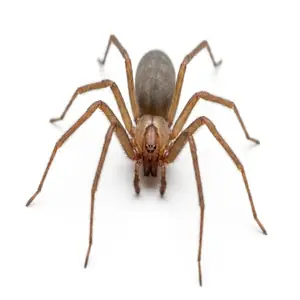
3 to 5 mm unfed, much larger once full. Dark reddish brown, the female with one white spot on her back. | Eight legs as an adult, not six. A tick stays attached to the skin for hours or days, while a bed bug feeds for minutes and leaves. | Tall grass, brush and pets that go outdoors. Found on a person or a pet, not hiding in mattress seams. |
Bed Bugs vs Fleas
The Bed Bug in Three Numbers
30%
University of Kentucky Entomology reports that about 30 percent of people do not react to bed bug bites even when bitten repeatedly, so a family can have bed bugs with no marks on anyone.
University of Kentucky Entomology
1 to 4 months
University of Kentucky Entomology puts a bed bug’s survival without a blood meal at about 1 to 4 months in a heated and cooled building, and longer in a cold one.
University of Kentucky Entomology
5 to 7 mm
The US Environmental Protection Agency gives an adult bed bug’s length as 5 to 7 mm, about the size of an apple seed.
US Environmental Protection Agency
Are Bed Bugs Dangerous?
Not in the way most people fear. Bed bugs are not known to spread disease to people, and a review of bed bug bites and their clinical effects by Goddard and deShazo in the Journal of the American Medical Association in 2009 found little evidence that they carry any communicable disease. The real risks are the bite reactions themselves, skin infections when bites are scratched open, and the toll on sleep and peace of mind.
Most reactions are itchy red welts that fade on their own. Scratching can break the skin and let in bacteria, and a bite that turns more red, warm, swollen or starts to drain needs a doctor. Severe allergic reactions to bed bug bites are rare. Trouble breathing, swelling of the lips or throat, or hives spreading over the body after bites need emergency care right away.
What Do Bed Bug Bites Look Like?
Bed bug bites are small, raised, itchy red bumps, often in a line or a tight cluster of three or four, on skin that was uncovered in bed: the arms, shoulders, neck and face. They do not hurt when they happen, because the bug’s saliva numbs the skin while it feeds, which takes about 3 to 10 minutes. The CDC’s bed bug overview notes that most people do not notice the marks until one to several days after the bite.
No one can confirm bed bugs from bites alone, and a doctor cannot either. Flea bites, mosquito bites, chigger bites and skin conditions can all look the same, and about 30 percent of people do not react to bed bug bites at all, according to the University of Kentucky Entomology bed bug fact sheet. That is why one person in a bed can be covered in welts while the person beside them has none. Finding the bugs, their eggs or their droppings is the proof.
Bed Bugs, Sleep and Anxiety
The strain is real and it is documented. In a 2012 study of Montreal apartment tenants by Susser and colleagues, tenants living with bed bugs had about five times the odds of disturbed sleep and 4.8 times the odds of anxiety symptoms compared with tenants who did not have them. When Goddard and de Shazo read 135 online posts by people with bed bugs, 110 of them, 81 percent, described effects such as nightmares, insomnia and anxiety (American Journal of Medicine, 2012). If the worry lasts after the bugs are gone, it is worth mentioning to your doctor.
When Bed Bug Activity Needs Fast Action
Live Bugs or Eggs Found
A live bed bug, a cluster of white eggs or fresh shed skins means a breeding population, not a single hitchhiker. Every week of waiting adds a new hatch.
Bites on More Than One Person
Bites showing up on two or more family members, or in more than one bedroom, mean the bugs have already spread beyond where they started.
An Apartment, Townhome or Rental
Bed bugs walk between units along shared walls and pipes. Tell the landlord or manager right away, because treating one unit alone often fails.
Bites but No Bugs Yet
Bites without any bugs, eggs or dots could be bed bugs, fleas or something else entirely. An inspection settles it before anything is treated or thrown away.
Why You Found Bed Bugs in Your House
Bed bugs do not come in from the yard. They are carried in. The usual routes into a Collin County home are a suitcase that sat on a hotel floor or bed, a used mattress, couch or nightstand, a child’s bag after a sleepover or a tournament trip, and a guest who already has them. In apartments and townhomes they also walk in from the unit next door along shared walls, pipes and wiring.
It is not a sign of a dirty house. Bed bugs live on blood, not crumbs, so the cleanest bedroom is as attractive to them as any other. Clutter does matter for one reason only: it gives them more places to hide and makes treatment harder.
What Are the Early Signs of Bed Bugs?
The earliest signs are usually small black dots along the mattress seams and new itchy bites in a line on the arms or neck. Pull the sheets back and check the seams, piping and tags of the mattress and box spring with a flashlight, then the headboard joints and the nightstand next to the bed. Look for tiny black or rust-colored dots that smear when wiped with a damp cloth, pale shed skins, white eggs about 1 mm long, and rust spots on the sheets. The guest room is worth checking first, because a bed used only by visitors can hold bugs for months before anyone notices.
Where Bed Bugs Hide in Collin County Homes
Bed bugs stay close to where people sleep or sit for long stretches. The mattress and box spring come first: the seams, the piping along the edges, the tags and the corners of the box spring. Next come the headboard and bed frame joints, the nightstand, the baseboard behind the bed and the electrical outlet nearest the headboard. In living rooms they hide in the seams and frames of couches and recliners. They fit into any crack about as thick as a credit card, so a heavy infestation spreads into picture frames, curtain folds and dresser drawers.
Bed Bug Pressure Across Collin County
Bed bug pressure in our service area follows people, not neighborhoods. The highest risk sits where many people sleep in shared buildings: apartments, townhomes, hotels and extended-stay lodging in Plano, Frisco, McKinney and Allen, where bugs can move between units and arrive with every new guest.
Single-family homes in Prosper, Celina, Anna and Little Elm get bed bugs the same way every other home does, through travel, used furniture and visitors. A new house is no protection, because the bugs arrive with what is carried into it.
Bed bugs live indoors, so they feed and breed in every month of the year whatever the weather. What changes with the season is how often they are carried in. Pest Me Off bed bug service records from 2024 to 2026 are busiest in July and August, after summer trips, hotel stays and camps.
Pattern from Pest Me Off bed bug service records across Collin County, October 2024 to September 2026, checked against published bed bug biology at indoor temperatures.
Why Bed Bugs Are So Hard to Starve Out
How Pest Me Off Treats Bed Bugs
Bed bug treatment is four steps over at least two visits, not one spray. The first visit kills the bugs that are there, and the second catches the ones that hatch from eggs the first visit could not reach.
Inspect and Confirm
A free inspection of every sleeping area, not just the room with the bites, plus couches and recliners. We confirm it is bed bugs, map which rooms are affected and set the number of visits before anything is applied.
Prepare the Rooms
You get a preparation sheet before treatment day: bedding and clothes from affected rooms washed and dried on high heat and bagged, clutter lifted off the floor, and mattress covers ready to go on.
Treat Every Hiding Spot
Mattress seams, box springs, headboards, frames, nearby furniture, couches and baseboards are treated directly, and a barrier goes along the routes bed bugs travel to the bed. Nothing is fogged into the air, and product types are rotated between visits.
Return Through the Hatch
We come back 10 to 14 days later, included with every bed bug job, to re-inspect every treated room and treat anything still active. Severe cases get a third visit, agreed at the inspection.
& Other Companies
How to Get Rid of Bed Bugs Yourself
DIY can slow bed bugs down and protect your bed, but it rarely ends an infestation. These three steps are worth doing whether or not you call anyone, and they make professional treatment work faster.
Why Some DIY Responses Fail for Bed Bugs
Bed bugs beat DIY treatment more often than almost any other indoor pest. The reasons are their biology, not homeowner effort, and two of the three mistakes below spread the problem to new rooms.
Bug Bombs (Total-Release Foggers)
Texas A&M’s guide calls foggers mostly ineffective against bed bugs, because the fog never reaches the seams and cracks where they hide. What it does do is drive them deeper into walls and into the next room.
Store-Bought Bed Bug Spray
Most store sprays use a chemical family called pyrethroids, and many bed bug populations have built up resistance to it. The spray kills the bugs it hits directly, misses the eggs and the bugs deep in the seams, and the bites come back within weeks.
Sleeping Elsewhere or Dumping the Bed
Moving to the couch or another bedroom only teaches the bugs where you went, and they follow. Throwing out the mattress leaves the bugs in the frame, the headboard and the room, and drags them through the house on the way out.
Common Bed Bug Questions
What do bed bugs look like?
What do bed bug bites look like?
What are the early signs of bed bugs?
Why do I have bites but no signs of bed bugs?
Can bed bugs make you sick?
Where do bed bugs come from, and does it mean my house is dirty?
Can bed bugs live in a car or a couch?
How long can bed bugs live without feeding?
Does diatomaceous earth kill bed bugs?
Will a bug bomb get rid of bed bugs?
How do I get rid of bed bugs?
Bites in the Morning and Black Dots on the Mattress? We Find Bed Bugs and Get Rid of Them.
We inspect first and confirm it is bed bugs, treat every seam, joint and crack where they hide, and come back 10 to 14 days later when the eggs have hatched. Bed bug treatment across McKinney, Allen, Frisco, Plano, and all of Collin County.