
How and Why German Cockroaches Enter Your Home
German cockroaches do not come through floor drains or crawl in from outside the way American cockroaches do. They hitchhike in – on grocery bags, cardboard boxes, secondhand appliances, and restaurant equipment. Understanding this one distinction is the key to understanding why German cockroach infestations are so much harder to prevent and eliminate than other species.
What Makes German Cockroaches Different
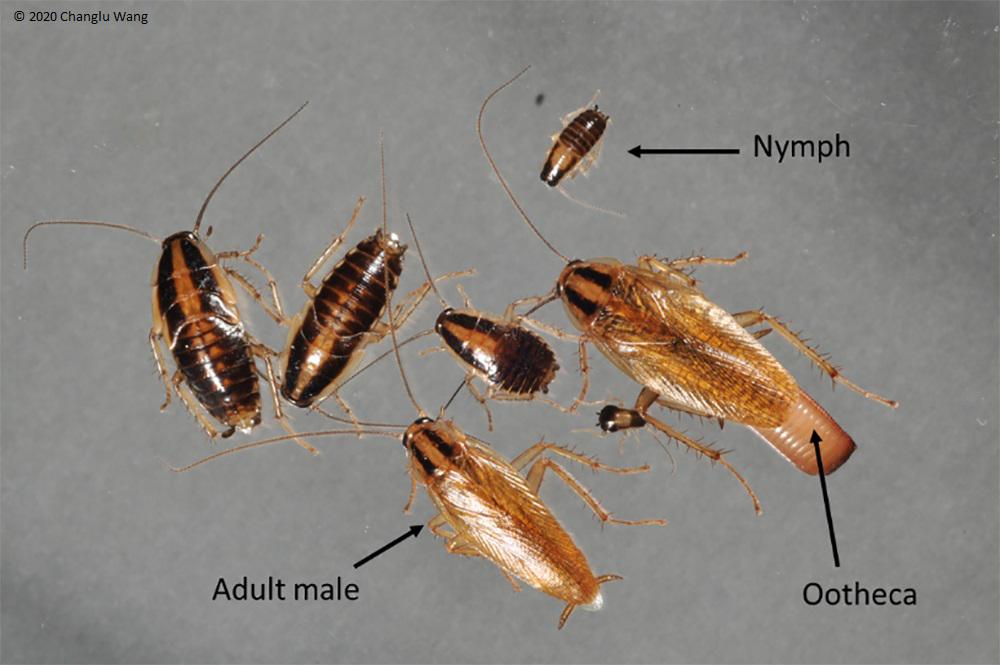
The German cockroach (Blattella germanica) is the small, fast roach found in kitchens and bathrooms across North Texas. Adults are about half an inch long, tan to light brown, with two dark parallel stripes running behind the head. They are the most common cockroach species inside structures in McKinney, Allen, and Frisco – and by far the hardest to eliminate once established.
Three characteristics separate German cockroaches from American and Oriental roaches:
- They are exclusively indoor breeders. German cockroaches do not have an outdoor population. They live, breed, and die inside structures. An infestation does not resolve on its own because there is no natural attrition from outdoor exposure.
- They reproduce fast. A single female produces an egg case (ootheca) carrying 30 to 40 eggs roughly every 6 weeks. The eggs hatch in about 28 days. A small starting population can reach hundreds within a few months under normal kitchen conditions.
- They are repelled by most consumer pesticides. This is why DIY treatment often makes German cockroach infestations worse, not better. Surface sprays repel roaches away from treated areas – which also drives them away from gel bait placed nearby. Professional treatment requires a specific approach that most hardware store products work against.
How German Cockroaches Actually Enter Your Home
German cockroaches enter through transported objects, not through structural gaps. The most common entry routes:
- Grocery bags. Roaches and egg cases in grocery store stockrooms transfer to bags and boxes at checkout. Bags set on the kitchen counter or floor give them direct access to the kitchen environment they need.
- Cardboard boxes. Corrugated cardboard is a favored hiding and egg-laying surface for German cockroaches. Boxes from grocery delivery, restaurant supply, or retail storage that have been in an infested warehouse or vehicle carry them in.
- Secondhand appliances. A used refrigerator, microwave, or dishwasher from an infested home brings the full colony with it – including egg cases inside the motor housing and door panel that survive the move.
- Restaurant supply and commercial deliveries. Businesses that receive food service deliveries from infested facilities are a common source of introduction. Cockroaches transferred to a commercial kitchen spread to adjacent businesses and eventually reach residential units.
- Shared walls in multifamily buildings. In apartments and townhomes, German cockroaches move through shared wall voids between units. A neighboring infestation is enough to introduce them regardless of anything the homeowner does.
Why German Cockroaches Are So Hard to Get Rid Of
Three factors combine to make German cockroach infestations resistant to DIY treatment:
- They hide where sprays cannot reach. German roaches nest inside appliance motors, inside wall voids behind the sink, in the gaps inside cabinet hinges, and in the door panel of dishwashers. Consumer surface sprays never contact the actual colony – only the foragers that venture out.
- Surface sprays repel them from bait. Gel bait placed in roach harborage areas is the most effective treatment for German cockroaches. But consumer aerosol sprays are repellents – they drive roaches away from the treated area, including away from any bait placed nearby. Using both at the same time makes bait placement ineffective.
- Egg cases survive most treatment. An egg case (ootheca) that the female carries protects the eggs from many pesticides. Even a successful treatment round that kills all visible roaches can leave viable egg cases that hatch 28 days later, restarting the infestation.
Effective treatment requires gel bait placed directly in harborage areas – inside cabinet hinges, behind the refrigerator motor, inside the dishwasher door panel – combined with insect growth regulators (IGRs) that interrupt the reproductive cycle, and follow-up to confirm egg cases have been eliminated. Professional cockroach control for German roaches typically requires more than one service visit to confirm the colony is fully gone.
German roaches in your kitchen? Same-day cockroach control in Collin County.
We place bait at the source, treat the harborage areas, and follow up to confirm the colony is gone.