Same-Day Appointments Available

 – Call Now!

Cricket & Centipede Control in McKinney, Allen & Frisco

Black crickets flooding your garage. Earwigs in the flowerbeds and kitchen. Silverfish living in your attic for months before you notice. Pest Me Off identifies the species, treats the entry points, and keeps Collin County homes and businesses free of occasional invaders year-round.

📞 Call (972) 866-4720
Every Review, 5.0 Stars on Google
🏆Best of McKinney 2025
🐱Pet-Safe Treatments
📋No-Contract Options
Same-Day Available
Invader Eliminator: It's What We Do

Occasional Invader Exterminator in McKinney, Allen, Frisco & Collin County

The reason occasional invader treatments fail is almost always the same. The wrong product applied to the wrong pest. Black crickets behaving the same way as camel crickets is a common assumption. They are not. Silverfish living deep in your attic insulation are not going to respond to a surface spray that never reaches them. Springtails near a dripping pipe will come back within days unless the moisture source is addressed. Pest Me Off identifies the species first, then selects the treatment to match what is actually present, including the specific entry points it is using to access your home or business.

What draws occasional invaders toward your home or business in the first place is different for each species, and that is part of why generic treatments miss. Black crickets are strongly attracted to outdoor lighting at night. Bright white exterior bulbs at a storefront or a porch light left on after dark are the reason commercial properties on Exchange Pkwy and residential garages across Collin County deal with cricket pile-ups at the door every fall. Earwigs, springtails, and pill bugs follow moisture. Mulch packed against the foundation, irrigation overspray along the building edge, and a slow drip under a bathroom sink are enough to pull them in. Silverfish follow moisture combined with starchy materials like cardboard, paper, and wallpaper adhesive, which is why they establish in attics and storage rooms and stay for years undetected. Centipedes are not drawn to your home at all. They follow the insects already living there. Seeing one regularly indoors means a different pest problem is already active and feeding them.

Pest Me Off has served Collin County homes and businesses for 12 years with same-day service, no-contract options, and a free re-service guarantee. Every occasional invader service follows our three-step RID Method, and our Best of McKinney 2025 award reflects what that approach delivers.

Common House Insects in McKinney TX & Collin County

Occasional Invader Species in McKinney TX & Collin County

Collin County homes deal with seven occasional invader species regularly. Each one enters differently, hides differently, and needs a different treatment approach.

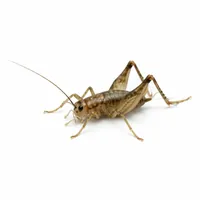
Field Cricket McKinney TX

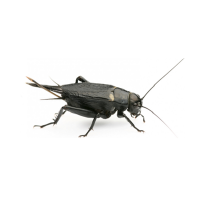
Field Cricket

AKA: black crickets, house crickets

The loud chirping one. The most common cricket complaint in Collin County and the top reason commercial tenants call about insects at their front doors.

FOUND

Outside on sidewalks, building perimeters, and porches after dark, drawn to lights. Enter garages through foundation cracks and gaps at the base of doors. Rarely establish a breeding population indoors. Read our black cricket guide.

NEIGHBORHOODS

All 14 service cities see black cricket pressure from late July through October. Commercial properties along US-75, Hwy 121, and the Exchange Pkwy retail corridor in Allen report the highest volume. Residential calls peak in Craig Ranch, Stonebridge Ranch, and Adriatica Village garages during fall migration.

TREATMENT

Scorched Earth Barrier applied along the foundation and building perimeter. Targeted granular treatment in lawn and mulch zones where crickets stage before migrating toward structures. Follow-up timed to catch the next wave through October.

CAUTIONBlack crickets chirping inside walls or ceilings at night are already inside the structure. A surface spray at the door will not reach them. The entry point needs to be treated from the outside before the next wave comes in.
Camel Cricket McKinney TX

Camel Cricket

AKA: cave crickets, spider crickets

Hump-backed, silent, and built like a spider. Does not chirp, does not bite, and is mostly harmless. But 30 of them jumping in your storage room is still a problem.

FOUND

Dark, undisturbed spaces including garages, storage rooms, utility rooms, and closets. Unlike black crickets, camel crickets are wingless and silent. They prefer cool damp areas and rarely move into living spaces. They react to motion by jumping unpredictably.

NEIGHBORHOODS

Most common in garages that back up to open fields or undeveloped land. Craig Ranch and Stonebridge Ranch properties near creek corridors. Newer Celina and Prosper construction where open land still borders finished neighborhoods.

TREATMENT

Scorched Earth Barrier at the foundation and garage threshold reduces migration from outdoor habitat. Targeted treatment inside storage areas eliminates active populations.

CAUTIONCamel crickets can damage stored clothing and fabrics in garages by chewing for moisture. Large populations also attract house centipedes. If you are seeing camel crickets regularly, centipedes are likely nearby.
Earwig McKinney TX

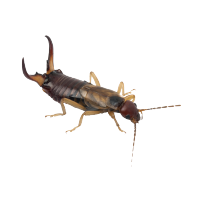
Earwig

AKA: pincher bugs

Earwigs breed fast in mulch and flowerbeds. When outdoor populations peak in spring, they move indoors through foundation gaps in large numbers.

FOUND

Flowerbeds, under mulch, near outdoor lighting. Inside, they end up in kitchens, bathrooms, and garages near exterior walls. Most active spring through fall. Indoor migrations peak when outdoor populations are largest, usually after spring rains. Read our earwig myth guide.

NEIGHBORHOODS

Craig Ranch and Eldorado Pkwy homes with ornamental landscaping. Heritage Ranch in Fairview near golf course mulch beds. New Frisco and Prosper subdivision landscaping where fresh mulch is placed within a few inches of the foundation.

TREATMENT

Scorched Earth Barrier applied along the foundation with granular treatment in mulch and soil zones. Interior application at entry gaps around doors and utility lines. Follow-up timed to arrive before spring outdoor population peaks.

CAUTIONEarwig pinchers look alarming but rarely break human skin. The real concern is rapid outdoor breeding: populations in mulched beds can reach several hundred within a few weeks of spring rains, driving heavy indoor migration.
Silverfish McKinney TX

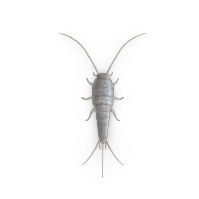
Silverfish

AKA: silverfish bugs, fishmoth

Can live for years inside attics and walls, feeding on paper, glue, and fabric, without a single visible sign until populations are already large.

FOUND

Attics, utility rooms, and bathrooms. Inside bookshelves and cardboard storage boxes. They eat starchy materials including old documents, wallpaper adhesive, book binding, and certain fabrics. High moisture accelerates population growth significantly.

NEIGHBORHOODS

Older McKinney neighborhoods near downtown and Eldorado Pkwy. Established Plano subdivisions built in the 1980s and 1990s. Older Allen neighborhoods along Exchange Pkwy where roofline and attic gaps have settled over time.

TREATMENT

Targeted treatment in attic spaces and utility entry points. Scorched Earth Barrier at roofline and foundation entries. Desiccant dusts in concealed areas where silverfish shelter between treatments. Surface sprays alone do not reach them.

CAUTIONStore-bought silverfish sprays only reach what you can see. Silverfish shelter deep inside insulation and wall spaces where those products never penetrate. Visible silverfish are a fraction of the actual population.
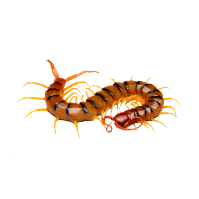
Centipede McKinney TX

Centipede

AKA: house centipede, thousand-legger

Fast, venomous, and a reliable sign that other insects are already living inside your home. Centipedes do not move in for shelter. They move in for food.

FOUND

Bathrooms, kitchens, garages, and utility rooms. They enter along the same routes other insects use, through gaps around pipes, foundation cracks, and door thresholds. Seeing one during daylight almost always means the population is already large and established. See our centipede bite guide.

NEIGHBORHOODS

Stonebridge Ranch and Twin Creeks homes near creek drainage corridors. Los Alamos Ranch and Legacy Ridge. Older McKinney and Allen construction where roofline and foundation gaps have never been sealed provide year-round access.

TREATMENT

The treatment runs two steps. First, reduce the insect population centipedes feed on. Then apply long-lasting treatment at bathroom and utility entry points. Scorched Earth Barrier at the foundation reduces outdoor pressure.

CAUTIONCentipede stings cause genuine pain and local swelling. Seeing centipedes indoors regularly is a signal of a larger underlying pest problem. Treating just the centipedes without addressing their food source does not solve the root issue.
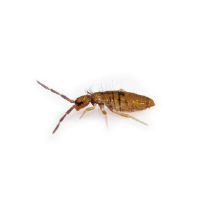
Springtail McKinney TX

Springtail

AKA: snow fleas

Tiny jumping specks near your bathroom drain or shower tile are almost always springtails. They are a moisture alarm. Read our springtail guide.

FOUND

Shower drains, bathroom tile grout, damp soil in potted plants, around leaking pipes, and in flower beds with standing moisture. Large indoor populations are a direct moisture indicator that warrants investigation beyond just treating the insects.

NEIGHBORHOODS

Newer Frisco and Prosper construction where foundation moisture is still stabilizing. Allen and Plano homes near drainage corridors. McKinney homes where irrigation overspray keeps soil along the foundation consistently damp through summer.

TREATMENT

Identify and address moisture sources first. Targeted treatment eliminates active populations. Springtail numbers drop significantly once moisture conditions are resolved at the source. A treatment without fixing the moisture is temporary.

CAUTIONSpringtails do not bite or damage structures. Large indoor populations signal moisture problems that attract other pests and can contribute to mold growth. The moisture source is the problem, not just the springtails you can see.
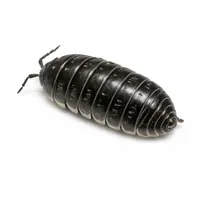
Pill Bug McKinney TX

Pill Bug

AKA: roly-poly bugs, armadillo bugs

Pill bugs are not insects. They are land crustaceans. Harmless, but large numbers entering through your garage or porch signal what else might be getting in the same way.

FOUND

Garage floors near exterior walls, under potted plants, in mulch and debris at the foundation edge. Attracted to moisture at the soil-to-structure contact zone. Most active in spring when rainfall keeps the soil along your foundation wet.

NEIGHBORHOODS

Present across all 14 service cities wherever mulch is placed close to the foundation. Especially common in Stonebridge Ranch and Craig Ranch, newer Prosper and Frisco builds with fresh landscaping, and Heritage Ranch in Fairview.

TREATMENT

Scorched Earth Barrier along the foundation and soil contact zones. Granular treatment in mulch beds reduces populations before they migrate indoors. Addressing foundation moisture conditions provides the most lasting relief.

CAUTIONPill bugs in large numbers entering your garage or porch mean your foundation perimeter has moisture conditions that are attractive to centipedes, earwigs, and silverfish as well. The pill bugs are a symptom, not the whole problem.
The Most Reported Pest at Commercial Front Doors in Collin County

Black Crickets in McKinney TX

If you run a business in McKinney, Allen, or Frisco and you have ever walked up to your store on a late summer morning to find dozens of crickets piled at the base of the front door, you already know what black field crickets do. They stage on sidewalks and concrete surfaces after dark, drawn to building lighting, and find their way inside through the gap under commercial doors. By morning your entryway is full of them. That call goes to Pest Me Off regularly from retailers, restaurants, and office tenants along US-75, Exchange Pkwy, and Hwy 121.

At home the pattern is the same but the entry points are different. Black crickets come in through foundation cracks and gaps at the base of the garage door. Once inside they set up in garages, on porches, and in utility rooms. The chirping at night from inside a wall or ceiling means they are already established inside the structure, not staging outside it. That is the point where a surface spray at the door does nothing useful.

The Scorched Earth Barrier is applied to the lawn, mulch beds, and foundation perimeter where crickets stage before reaching your structure. A follow-up visit 30 days later catches newly hatched young as they emerge from the soil, which is what stops the same cycle from repeating on schedule through October. Read our three myths about black crickets for more on why standard sprays fall short.

One Change That Makes a Real Difference

Crickets are strongly phototactic, meaning they are actively drawn toward light sources. Bright cool-white exterior bulbs are the single biggest overnight cricket magnet on your property. Switching exterior fixtures near doors and garage entries to warm yellow bulbs reduces the number of crickets staging at your entry points significantly. This is a fast, free first step and the same advice we give commercial tenants dealing with heavy front-door pressure every August.

It does not solve the population problem in your lawn and foundation staging areas. That is what the Scorched Earth Barrier is for. Cutting the light attraction reduces the pressure at the door before treatment even begins.

200+ Eggs per female per season New waves arrive on a predictable schedule through October
JUL–OCT Peak migration window in Collin County Cooler nights drive outdoor populations toward lit structures
24–48 HRS Scorched Earth Barrier begins working Active population at the perimeter drops within the first two days

Black cricket pressure is consistent across all 14 service cities in Collin County, but commercial properties along major retail corridors see it most intensely. Restaurant and retail tenants on Exchange Pkwy in Allen, the US-75 service road in McKinney, and the Hwy 121 corridor in Frisco all deal with sidewalk and entrance cricket pressure from late July through October. For residential calls, Stonebridge Ranch, Craig Ranch, and Adriatica Village garages back up to open land and creek corridors that generate sustained cricket populations through fall. Same-day service is available throughout the service area.

The Pest Already Living in Your Walls Before You Notice

Silverfish in McKinney TX

Silverfish enter through gaps around rooflines, attic vents, and utility entries. Once inside, they establish in attic insulation, stacked cardboard boxes, and wall spaces where paper, book binding, wallpaper adhesive, and starchy fabrics provide a food supply. By the time one shows up in a kitchen or bathroom at night, a larger population has already been living in the structure for months. They are nocturnal and spend most of their time in hidden areas, so the few you see are scouts from a colony that has already made your home its permanent address.

Store-bought silverfish products fail for the same reason other hidden-pest sprays do. They reach the surfaces you can see. Silverfish live and reproduce behind insulation, inside stacked storage, and in wall gaps where no spray contact is possible. Treating visible silverfish in a bathroom without reaching the source population in the attic or utility space addresses the symptom and skips the cause.

Pest Me Off combines the Scorched Earth Barrier at exterior entry points with targeted desiccant treatment applied directly to confirmed hiding spots in attic spaces, wall entries, and storage areas. The exterior treatment closes the door on new arrivals. The interior treatment reaches the established population that surface sprays never touch.

What You See Is Never the Whole Population

Silverfish are nocturnal and stay in their hiding spots during the day. The one or two you find in a bathroom or on a bookshelf are foraging out from a larger colony already living in your attic, wall spaces, or storage area. Finding one silverfish in a living area means the population behind it has been established long enough that its primary food supply in the original hiding spot is getting depleted.

The population you cannot see is why standard surface treatments produce little lasting result. The source stays active and continues producing new adults that eventually make their way into living areas on the same schedule.

MONTHS Silverfish survive without food Hidden populations outlast surface treatments and keep reproducing
2–3 WKS Until eggs hatch in warm conditions The next generation emerges on schedule whether or not adults were eliminated
ATTIC Most common undetected entry zone Silverfish follow roofline gaps and attic vents into insulation where populations build undisturbed

Silverfish complaints come from homes across all 14 Pest Me Off service cities, but older construction is where they become a persistent problem. Homes in Willow Bend and West Plano built in the 1980s, older McKinney neighborhoods near downtown and Eldorado Pkwy, and established Allen subdivisions along Exchange Pkwy all show consistent silverfish call patterns. Attic storage in these homes has accumulated cardboard, paper, and fabric over decades, giving silverfish an uninterrupted food supply. Same-day service is available throughout the service area.

One Treatment or Ongoing Protection?

Why One Occasional Invader Treatment Is Not Enough

Problem 1
Why Hidden Eggs and Young Survive the First Treatment

Most occasional invader treatments kill the adults you can see. What they do not reach is where the next generation is already waiting. Crickets, earwigs, and silverfish all lay eggs or hide young in spots that surface sprays and standard barrier products never penetrate. The adults die. The eggs and newly hatched young do not. Four to six weeks later the cycle repeats, often in the exact same spots, because the source was never addressed.

Field Cricket Eggs Laid in Lawn & Soil Females deposit eggs just below the soil surface in lawn areas, mulch beds, and foundation soil near downspouts
3–4 WKS Until newly hatched young emerge from the soil and the next wave begins
Earwig Guarded Egg Clusters Underground Females lay 50 to 90 eggs in soil chambers and actively guard them, completely protected from anything applied above ground
50–90 Eggs per clutch, guarded underground until they hatch
Silverfish Eggs Hidden in Cracks & Insulation Eggs tucked into wall gaps, insulation folds, paper stacks, and cardboard boxes where no spray ever reaches them
2–3 WKS Until a new batch hatches from hidden spots throughout the attic or storage area

Centipedes lay eggs in soil and sheltered ground spots, guarded until hatching. Springtails reproduce so fast in moist conditions that the adults you see are always a fraction of the active population. In every case, the follow-up visit is what reaches the next generation before it matures and the cycle repeats.

Problem 2
Why New Populations Keep Arriving From Outside

Even when a treatment eliminates what is present on your property, the same attractants that pulled them in are still there. Collin County's combination of bright commercial lighting along US-75 and Hwy 121, dense residential landscaping with moisture-retaining mulch along foundations, active construction displacing populations from open land, and creek corridors running through established neighborhoods creates continuous external pressure that a one-time treatment cannot permanently stop.

Crickets navigate by light. Any property with bright exterior lighting near doors and entry points will attract new crickets from surrounding properties every night through fall. Earwigs, springtails, and pill bugs follow the moisture gradient from your irrigation lines and mulch beds directly to your foundation. Silverfish follow gaps in the roofline and attic entries. Once the existing population is eliminated, the same conditions draw in the next wave on a predictable schedule.

One-Time Treatment
One visit may be all you need

If you had a sudden infestation after a weather event or a seasonal spike, a single Scorched Earth Barrier service may resolve it completely. Just know that the same attractants that brought them in are still present, and the same species return on the same schedule each year. When they do, we will be ready.

Recurring Protection
Built for Collin County's Seasonal Pressure

Quarterly service keeps the barrier renewed before spring earwig and springtail peaks, summer cricket staging, and fall migration. Each visit also targets newly hatched young from the egg cycle, catching the next generation before it reaches your structure. No-contract options available.

Pest Me Off's Branded Methodology

How Our Occasional Invader Exterminator Service Works: The RID Method

Every initial occasional invader service follows all three steps. Ongoing recurring subscribers get the full RID system on every visit, including the Defend step that keeps the Scorched Earth Barrier active year-round.

R

Remove

We remove occasional invaders by inspecting for active populations in garages, utility rooms, attic entries, and bathroom areas. We flush out hiding spots and eliminate what is present before any barrier goes down.

  • Inspect garage, utility room, and porch areas for active cricket, earwig, and silverfish populations
  • Identify the specific species before selecting products
  • Apply targeted treatment in confirmed hiding spots behind baseboards and at utility entries
  • Address moisture sources near the foundation that attract silverfish, springtails, and pill bugs
I

Install

We install our Scorched Earth Barrier at the foundation perimeter, sidewalk and building edges, soil-to-structure contact zones, and every identified entry point that occasional invaders are using to access the structure.

  • Scorched Earth Barrier applied along the full foundation perimeter and building edges
  • Granular treatment in lawn and mulch zones where crickets and earwigs stage before migrating
  • Targeted treatment at door thresholds, garage bases, and ground-level utility gaps
  • Desiccant dust in attic spaces and wall entries where silverfish shelter between treatments
D

Defend

The Defend step is included with every recurring service visit, not one-time treatments. This keeps the Scorched Earth Barrier active through Collin County's full seasonal pressure window and intercepts each new migration wave before it reaches your door.

  • Quarterly visits timed to arrive before spring earwig peaks and fall cricket migration
  • Barrier renewal at the foundation, lawn staging zones, and primary entry points
  • Inspection each visit for new entry points or seasonal species changes
  • Free re-service guarantee: covered pests return, we come back at no charge
Schedule Your Occasional Invader Service
24–48 HRS Active crickets, earwigs, and silverfish begin dying after the initial service 30 DAYS Follow-up targets newly hatched young before the next wave starts
What McKinney Homeowners Say

Every Review, 5.0 Stars on Google

Cricket Season: Active Now Across Collin County

Schedule a Cricket, Earwig & Silverfish Inspection
Same-Day Still Available

Field cricket populations in McKinney, Allen, and Frisco are highest from July through October. Earwig pressure builds through spring and summer. Silverfish establish year-round in attics and storage spaces. Every week without a barrier treatment is another wave getting closer to your door.

Same-day appointments available No-contract options available Free re-service guarantee Best of McKinney 2025
14 Cities Across Collin County and Surrounding Areas

Occasional Invader Exterminator Near Me

Same-day cricket, earwig, and silverfish control throughout every city below. Each card links to that city's pest control page.

Allen TX

The Exchange Pkwy retail corridor is one of the highest-volume commercial cricket complaint areas in the service area, with restaurants and retailers dealing with front-door staging from late July through October. Older Allen construction along US-75 has settled attic gaps that give silverfish and earwigs year-round access.

Anna TX

Anna's rural character and active Hwy 5 corridor development push seasonal cricket populations from surrounding fields toward established neighborhoods each fall. Older pier-and-beam construction near downtown Anna has crawl space access points that earwigs and centipedes use year-round.

Carrollton TX

Carrollton's older neighborhoods near Rosemeade Park have dense tree canopy and leaf accumulation that attracts earwigs and springtails year-round. Construction from the 1970s and 1980s with pier-and-beam foundations gives silverfish and earwigs crawl space and attic access through fall and winter.

Celina TX

Celina's open fields bordering active Mustang Lakes and Light Farms development generate the highest black cricket density in the service area. The combination of undeveloped land directly adjacent to finished neighborhoods means migration pressure runs from August through October every year.

Fairview TX

Heritage Ranch's creek beds and mature landscaped grounds generate significant earwig and cricket activity from April through October. Large-lot Heritage Ranch homes back up to wooded terrain that provides sustained occasional invader habitat directly adjacent to high-value structures.

Farmersville TX

Farmersville's agricultural setting surrounded by open fields produces some of the highest field cricket numbers in the service area each fall. Rural properties near Lavon Beach Estates see sustained occasional invader pressure from field edges well into November.

Frisco TX

Hwy 121 commercial properties and Legacy Trail homes near drainage corridors see consistent cricket pressure through fall migration season. Hall Park and Star Trail's newer construction still has foundation gaps that earwigs exploit as temperatures drop.

Little Elm TX

Paloma Creek and lakeside neighborhoods backing up to Lake Lewisville drainage corridors see consistent earwig and silverfish pressure throughout the warm season. Little Elm's lakeside setting creates moisture conditions that silverfish favor inside attic and utility spaces in older construction.

McKinney TX

Stonebridge Ranch and Craig Ranch garages backing up to creek corridors see the highest black cricket migration numbers in the service area each August and September. Commercial properties along the US-75 service road deal with front-door cricket pressure through the entire fall season.

Melissa TX

Melissa's rapid growth along North Hwy 121 regularly displaces cricket populations from open land into adjacent finished neighborhoods. Creek-adjacent lots near Milrush Creek generate earwig and silverfish pressure throughout spring and summer.

Plano TX

Willow Bend and West Plano's older construction has settled foundation and roofline gaps that make silverfish and earwig populations persistent in attics and utility rooms. East Plano ranch-style homes on pier-and-beam foundations see earwig activity through fall and winter.

Princeton TX

Princeton's open land near Lake Lavon creates sustained cricket pressure well into fall as dropping temperatures drive field populations toward structures. Older rural construction in Princeton has foundation gaps that make earwig and silverfish entry a recurring seasonal pattern.

Prosper TX

Light Farms and Windsong Ranch construction activity displaces cricket populations from adjacent open fields every year, generating predictable fall invasions across the corridor. Fresh mulch and new landscaping throughout Prosper's active build-out attracts earwigs and pill bugs in the first several years after construction.

The Colony TX

Stewart Peninsula and properties near Lake Lewisville see elevated earwig and springtail activity along shoreline corridors each spring. Older Colony construction from the 1990s has settled roofline and foundation gaps with consistent silverfish and earwig activity in attic spaces.

Common Questions

Frequently Asked Questions: Cricket, Earwig & Silverfish Control McKinney TX

Earwigs are not dangerous to humans or pets. Their pinchers are used for defense and mating, not for attacking people. A pinch from an earwig is startling but almost never breaks skin. They do not sting, do not carry disease, and do not damage structures. The real concern is their outdoor breeding speed. Populations in mulched foundation beds can reach several hundred within a few weeks of spring rains, which drives heavy indoor migration through foundation gaps. The problem is numbers, not venom.
Black field crickets are the loud, chirping crickets most Collin County residents recognize from late summer through fall. They stage outdoors on concrete surfaces, sidewalks, and lawns after dark, drawn to building lighting. They enter garages through foundation cracks and gaps at the base of doors, and set up on porches once outdoor populations are large. They do not establish breeding colonies inside your home. Every cricket inside came from outside, which is why treating the exterior is where the problem actually gets solved.
Field crickets and house crickets can technically bite but almost never do. When it does happen it is extremely mild and rarely breaks skin. Camel crickets do not bite at all. The concern with crickets is not biting: it is the chirping, the sheer number of them when populations peak, and the fabric damage they cause in garages and storage areas when large populations are present for extended periods.
Yes. Camel crickets, cave crickets, and spider crickets are all names for the same insect. They are hump-backed, wingless, and silent. Unlike black field crickets, they do not chirp and are not drawn to lights. They prefer dark, undisturbed spaces like garages, storage rooms, and closets. They do not bite and pose no health risk.
Silverfish infestations develop when insects find starchy materials to feed on combined with the moisture they need to survive. Paper, cardboard, wallpaper adhesive, book binding, and certain fabrics all serve as food sources. In Collin County homes they most often enter through gaps around rooflines, attic vents, and utility entries. Older homes with cardboard storage boxes in attics are especially attractive. Populations can grow undetected for months before becoming visible in living areas.
Silverfish feed on starchy and protein-rich materials. In homes this means paper documents, cardboard boxes, wallpaper adhesive, book binding, cotton and linen fabrics, and certain synthetic blends. They leave irregular yellow stains, small holes, and scraped surface marks on whatever they feed on. Stored paper and fabric in attics, utility rooms, and storage areas are most at risk. They do not bite and pose no health risk, but long-term infestations can destroy irreplaceable documents and heirloom textiles.
Three things reduce cricket pressure at the garage significantly: switch outdoor lights near the garage door to warm yellow bulbs, seal any gap at the base of the garage door with a door sweep, and keep grass and mulch trimmed back from the foundation so crickets have no staging area close to the entry point. A Scorched Earth Barrier service around the foundation and lawn staging zone is what actually stops the fall migration wave before it reaches the door.
Springtails need moisture to survive. Finding them in your bathroom means there is a moisture source they are using: damp grout, a slow drain, condensation around pipes, or consistently high humidity. Reducing that moisture is the first step. A treatment eliminates active populations, but if the moisture source stays, they return.
Pill bugs (roly-poly bugs) are not insects. They are land crustaceans. They are completely harmless and cause no damage. Their presence in large numbers at your garage floor means your foundation perimeter has moisture conditions that are attractive to centipedes, silverfish, and earwigs as well. Moving mulch away from the foundation edge and treating the perimeter resolves pill bug pressure in most Collin County homes.
Active crickets, earwigs, and silverfish begin dying within 24 to 48 hours of the initial Scorched Earth Barrier service. Full results across the property are typically visible within one to two weeks as treatment reaches insects in their hiding spots. A 30-day follow-up visit targets any new populations that have arrived since the initial service and renews the barrier before the next seasonal wave.
Occasional invaders are insects and arthropods that enter homes and businesses opportunistically rather than establishing permanent indoor breeding populations. They come inside seeking warmth, moisture, or shelter. Common Collin County occasional invaders include black field crickets, camel crickets, earwigs, silverfish, centipedes, springtails, and pill bugs.
No. Occasional invader treatment is applied to the exterior perimeter and specific interior entry points. You do not need to leave your home or vacate any rooms. We ask that pets stay away from treated surfaces for approximately 30 minutes after application. Treatments are pet-safe and kid-safe once dry.
Yes. Pest Me Off offers same-day occasional invader control throughout McKinney, Allen, Frisco, Plano, Prosper, Celina, and all 14 cities in our Collin County service area. Call or text (972) 866-4720 to check availability. No-contract options are available on every service.

Ready to get rid of occasional invaders?

Same-day cricket, earwig, and silverfish control available throughout McKinney, Allen, Frisco, and all of Collin County. No-contract options available.

📞 (972) 866-4720 💬 Text Us Get a Free Estimate