
Fire Ant Mound in Plano TX: Risks and Professional Treatment
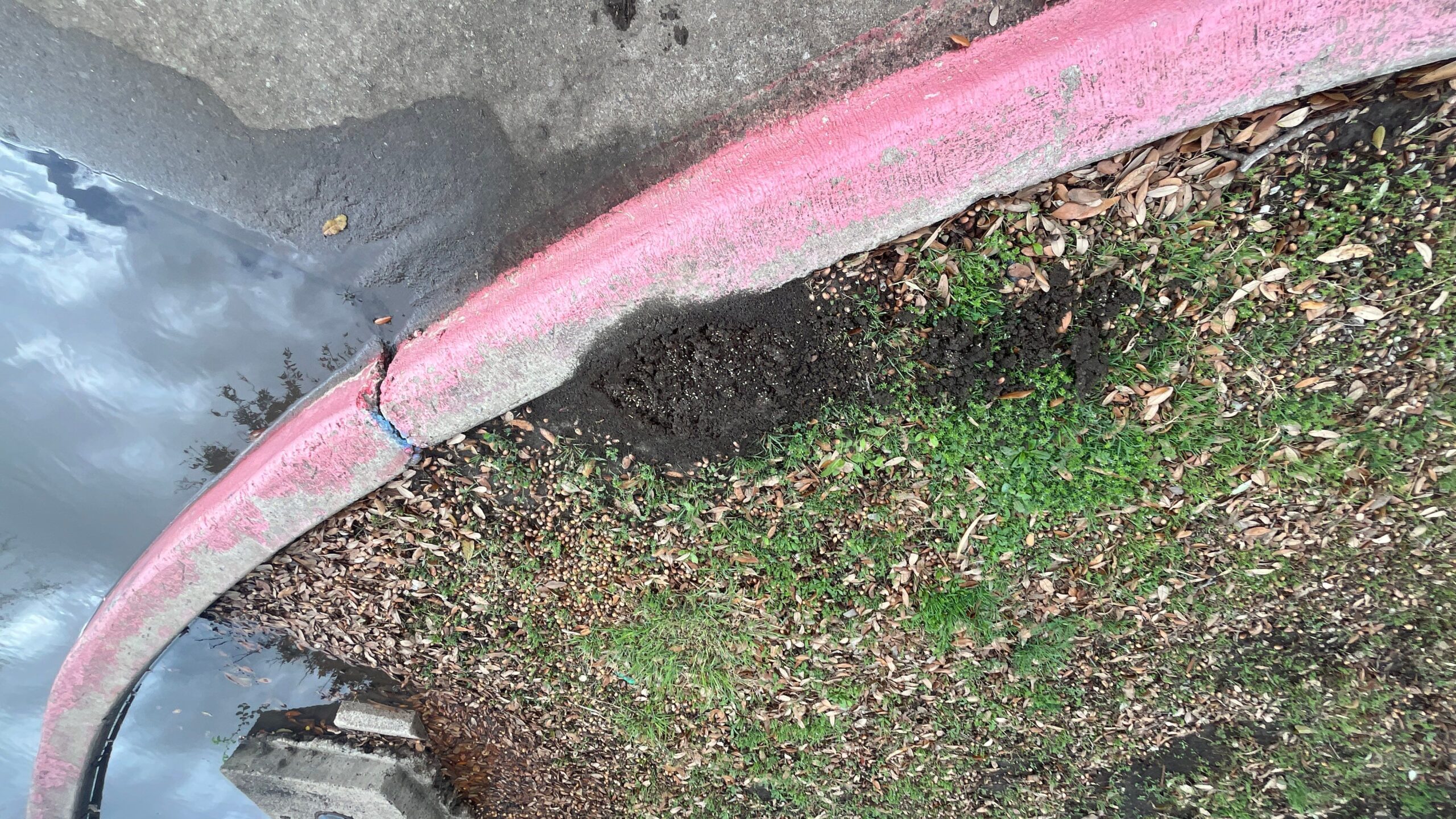
This fire ant mound was found along a concrete curb edge in Plano in early spring. The location – sidewalk-level, exposed, directly in foot traffic – put pedestrians and pets within range of a colony that will respond to any vibration on the mound surface in seconds.
Why Fire Ants Build Mounds Along Curbs
Fire ant colonies do not choose curb edges by accident. Concrete absorbs and holds heat faster than surrounding soil, which means the ground near a curb warms earlier in the season. Fire ants need warmth to reactivate their colonies after winter, and a south-facing curb gives them a temperature advantage that accelerates early spring colony growth.
Plano’s suburban layout creates dozens of these microclimates – wide concrete sidewalks, landscaped medians, and parking lot borders all provide warm soil contact along hardscape edges. From late February through April, fire ant activity across Collin County spikes as colonies expand outward from their overwintering positions. Curbside mounds near driveways, park paths, and parking areas are among the most common calls we handle in the spring.
The Sting Risk Is Real
Fire ants do not sting once. A single fire ant stings repeatedly, and a disturbed mound brings hundreds of workers to the surface within seconds. The stings burn immediately and produce fluid-filled pustules that persist for days. For most people this is painful and inconvenient. For small children, elderly residents, and anyone with a hypersensitivity to insect venom, a large exposure carries more serious risk.
A mound along a curb puts pedestrians, joggers, and dogs directly in range. Pets are especially vulnerable – they step into a mound before recognizing the threat, and a dog can receive dozens of stings across the paws and legs before getting clear.
Professional Fire Ant Treatment
Pest Me Off uses a combination of broadcast bait and targeted mound treatment to address the full colony, not just the visible surface population:
- Broadcast bait. Fire ant bait works by exploiting the colony’s food-sharing behavior. Worker ants carry treated bait back to the queen as food. Once the queen ingests the active ingredient – typically indoxacarb or spinosad – egg production stops and the colony collapses from the inside. Bait reaches the queen in a way that surface treatments cannot.
- Mound treatment. A contact insecticide applied directly to the mound eliminates the exterior worker population immediately, reducing the sting risk while the bait works through the colony over the following days.
The combination approach is more effective than either method alone. For high-traffic locations like this Plano curbside mound, same-day service is available. Contact us for fire ant control across Collin County.
One Photo. Treated the Same Day.
This mound was photographed and treated during the same service call in March 2026. Follow-up inspection three weeks later showed no active fire ant activity at or near the original location.
If you find a fire ant mound on your property or along a sidewalk your family uses regularly, do not disturb it before treatment. Mark the location and call Pest Me Off. Every review, 5.0 stars on Google. Same-day service available for Plano, McKinney, Allen, Frisco, and all of Collin County.
Fire ant mound near your sidewalk or driveway? Same-day treatment in Collin County.
We treat the colony at the source with bait and contact insecticide so the mound does not come back two weeks later.