
How and Why Fruit Flies Enter Your Home
A fruit fly infestation that seems to appear overnight usually did not start with flies coming in from outside. It started in your kitchen – on produce you brought home, in the drain film inside your sink, or in a recycling bin with sticky residue. Understanding where fruit flies actually breed changes how you eliminate them.
Where Fruit Flies Actually Come From
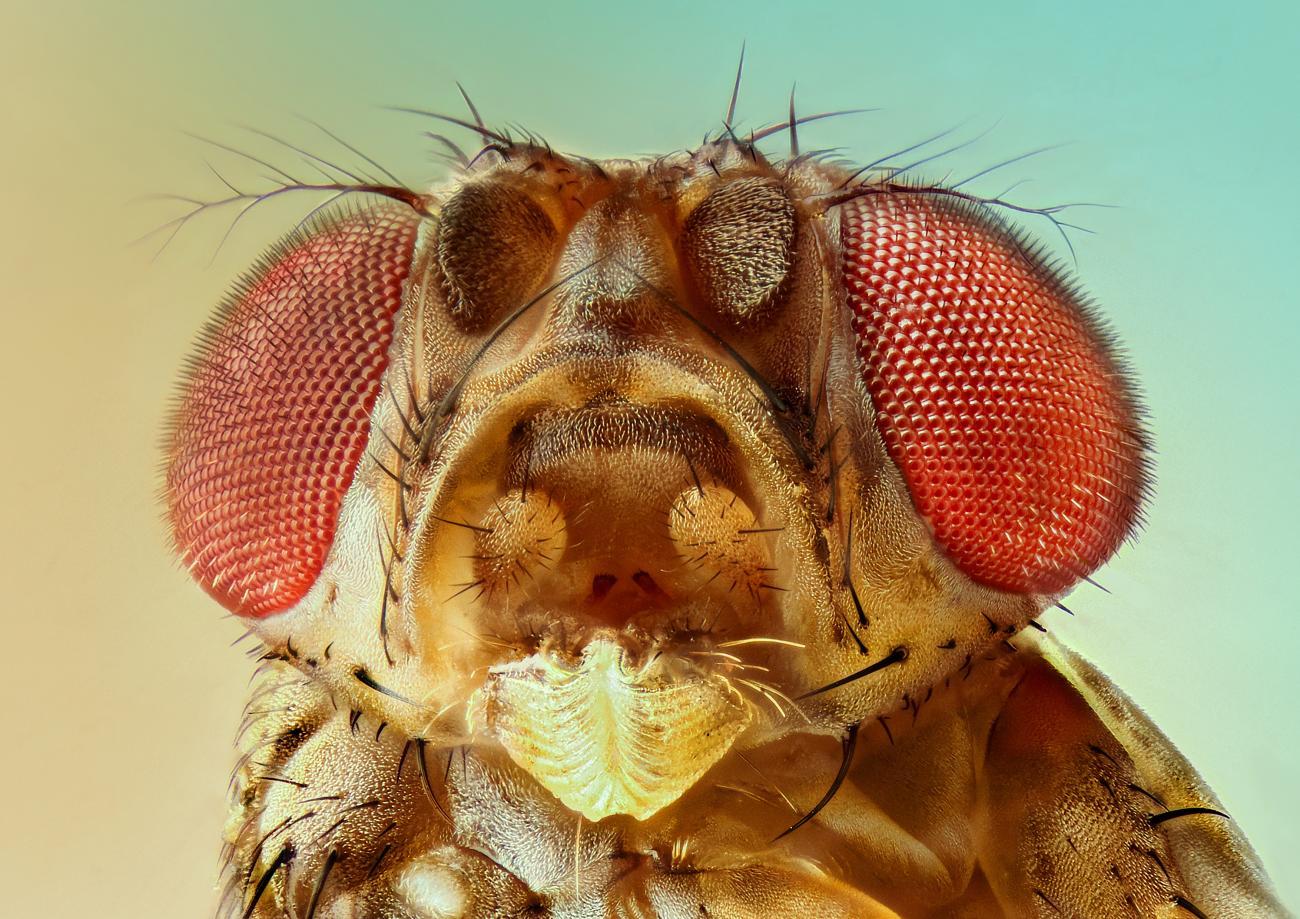
Fruit flies (Drosophila melanogaster and related species) are tiny – about 3mm – with red eyes and a tan or yellowish-brown body. They are attracted to fermenting sugars and can detect overripe or fermenting material from a significant distance. But most indoor infestations do not start with flies entering from outside. They start from:
- Produce brought home from the store. Fruit fly eggs are laid directly on fruit skin – particularly thin-skinned fruits like bananas, tomatoes, and stone fruits. Eggs on grocery store produce are invisible to the naked eye and survive the trip home. A banana with eggs on the peel left on the counter at Collin County summer temperatures can go from eggs to visible adults in 7 to 10 days. The infestation appears to come from nowhere.
- Drain biofilm. The organic film that coats the inside of kitchen and bathroom drains is a consistent fruit fly breeding site. This is why homeowners who remove all fruit from the counter still have fruit flies – the source is the drain, not the produce. Fruit flies lay eggs in drain biofilm and larvae develop inside the drain itself.
- Recycling bins. Cans and bottles with residue left unwashed before going into the bin create a fermenting sugar source that fruit flies locate quickly. A recycling bin stored indoors or in an attached garage with even minor residue sustains a population consistently.
- Forgotten organic material. A potato going soft in a cabinet, a piece of fruit that rolled behind an appliance, a damp mop head – any fermenting organic material supports breeding. Fruit flies can complete their life cycle from egg to adult in 8 to 10 days in warm Texas temperatures.
How to Actually Eliminate Fruit Flies
The key is identifying and removing every breeding source simultaneously – not just the most visible one. If you remove the fruit bowl but the drain is still active, the population continues.
- Remove all overripe or exposed produce. Everything on the counter goes into the refrigerator or the trash, sealed. Even produce that looks fine can carry eggs.
- Treat the drains. Pour boiling water down kitchen and bathroom drains, or use a drain cleaning gel that breaks down the biofilm fruit fly larvae live in. Do this for every drain in the kitchen and bathrooms. A single untreated drain sustains the population.
- Clean the recycling bin. Wash the bin, rinse all cans and bottles before they go in, and move the bin outside or to an unattached garage if possible until the infestation is resolved.
- Check the disposal. The garbage disposal interior is a consistent breeding site – residue accumulates in the splash guard and blade area. Clean it with ice and salt or a disposal cleaning product.
When Fruit Flies Persist After Cleaning
If you have removed all visible sources and treated the drains and fruit flies continue after two weeks, there is an active breeding site you have not found. Common missed sources in McKinney and Collin County homes:
- A slow or partially clogged bathroom drain where the biofilm is extensive enough to sustain breeding even after one treatment
- A floor drain in the utility room or garage that rarely runs water
- Compost stored indoors or a worm bin
- An overflow drain in the bathroom sink (the small hole near the top of the basin) – these collect biofilm and are easily overlooked
- A mop bucket or cleaning equipment stored in a utility room
Persistent fruit fly infestations that do not resolve with source elimination may indicate a plumbing issue – a slow drain or a p-trap that has dried out, allowing sewer-line access. At that point, identifying the actual source is worth a professional look. Contact us if the infestation continues after a thorough source elimination effort.
Pest problem that won’t go away? Same-day service in Collin County.
We identify the source and treat the problem directly – not just the visible symptoms.